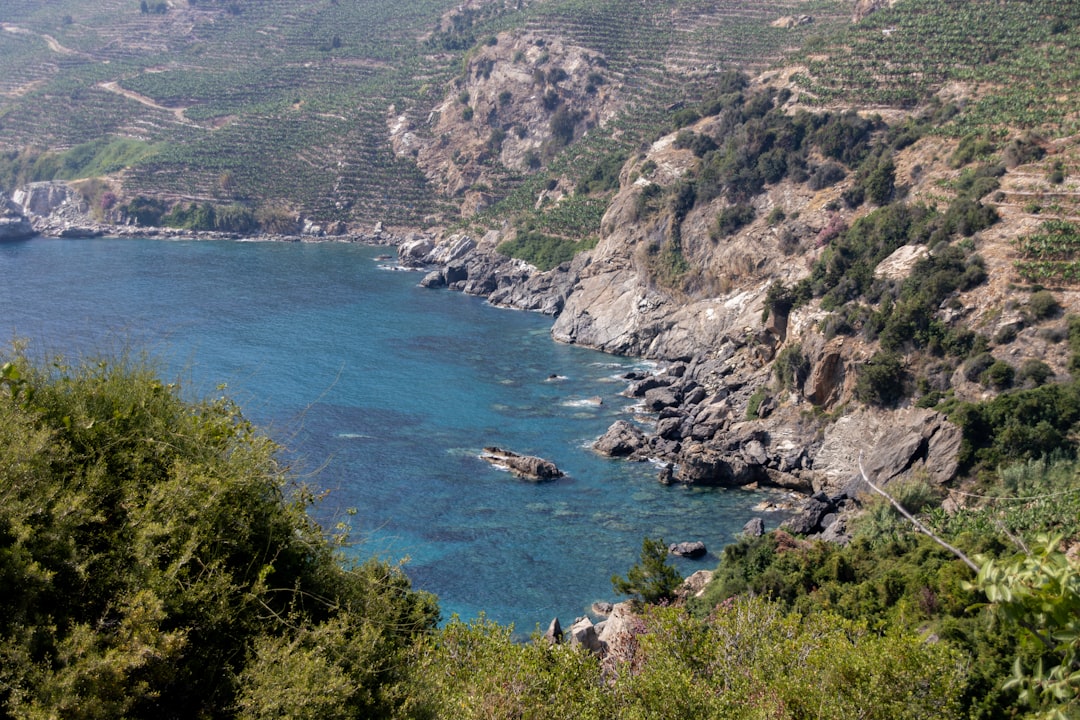
Turkey’s south and west coast stretches almost 2,000 kilometres from the Aegean to the Mediterranean - a run of limestone mountains, pine forests, and bright blue water that travel agents have been calling the Turquoise Coast for decades. The Turkish Riviera, used more loosely, covers the main resort arc from Kuşadası in the north down to Alanya in the east. Thirteen distinct towns sit along this coast, each with a different character, price point, and crowd. This guide compares every one so you can pick the right base - or plan a route that hits several.
For a road-trip itinerary linking the highlights, see our Turkish Riviera road trip guide.
What Is the Turkish Riviera?
The term covers the Turkish Mediterranean and southern Aegean coastline - roughly the provinces of Muğla and Antalya, with Izmir’s coast sometimes included. The Lycian Way walking trail threads through the most dramatic section between Fethiye and Antalya. Summers are hot and dry (35–40°C in July–August), winters mild. The sea stays swimmable from May through October, with peak warmth in August at around 28°C.
Town-by-Town Comparison
Antalya
The Riviera’s capital and main gateway. Old town Kaleiçi has Roman harbour walls, Ottoman houses, and a clutch of boutique hotels tucked inside the medieval lanes. The wider city is busy and modern - useful for flights, transport, and city comforts rather than a beach holiday. Best used as an arrival point before moving along the coast.
Side
Ancient Greek columns standing in the surf, a genuine 2nd-century temple of Apollo, and a long sandy beach - Side balances history and beach more naturally than most. It draws families and couples who want archaeology alongside sun-loungers. Slightly more affordable than Kaş or Bodrum; nightlife is low-key.
Alanya
The Riviera’s liveliest resort and one of the most popular with European package tourists. A Seljuk citadel on a jutting red headland dominates the skyline; below it, Cleopatra Beach runs for kilometres. All-inclusive resorts dominate the accommodation market. Better for budget travellers who want beach, bars, and value over boutique charm.
Bodrum
The Riviera’s style capital. White-cube houses spill down two hillsides to a double harbour dominated by the Crusader castle; by night, Bodrum town buzzes with open-air bars and designer restaurants. Gümbet next door is cheaper and louder; quieter pensions line the Bitez and Torba bays. Bodrum appeals to a wealthier, fashion-conscious crowd - think Turkish Mykonos.
Marmaris
A large, purpose-built resort with the biggest marina on the coast and a notorious bar street. Marmaris has the infrastructure for charter yacht flotillas, duty-free shopping, and late nights. The surrounding Bozburun Peninsula is far quieter. Go to Marmaris for nightlife and sailing access; avoid if crowds and noise are not your thing.
Fethiye
A working port town turned popular base for exploring the surrounding Lycian ruins, turquoise lagoons, and island-studded coast. The Fethiye market is genuinely local; the fish restaurants on the harbour waterfront are among the best-value on the coast. Ölüdeniz beach, Butterfly Valley, and the Saklikent Gorge are all within 30–45 minutes.
Ölüdeniz
Technically a beach rather than a town, Ölüdeniz is famous for the Blue Lagoon - a sheltered, photogenic bay with calm, shallow turquoise water. It’s the paragliding capital of Turkey; tandem flights from Babadağ mountain (1,969 m) are a staple. Accommodation clusters along the beach road; the vibe is relaxed sun-and-adventure.
Göcek
The quietest marina town on the coast, with no beach of its own but excellent access to six nearby island bays reachable by water taxi. Göcek is the departure point for Blue Cruise gulets and attracts a sailing crowd along with visitors who want a calm, upmarket base. Genuinely few tourists relative to its neighbours.
Kaş
Compact, characterful, and the best diving destination on the Riviera. The old quarter has narrow stone streets, rooftop restaurants, and some of the most stylish boutique hotels on the coast. It’s quieter than Fethiye or Bodrum but not sleepy. Kaş also works as a base for Patara beach, the Lycian Way, and the Greek island of Kastellorizo (a 12-minute boat ride).
Kalkan
Elegant and unashamedly upscale. Ottoman stone houses have been converted into infinity-pool villas and boutique hotels; rooftop restaurants line the marina. Kalkan has no big beach of its own (a small shingle one, plus boat access to sand), so it suits couples on a villa holiday more than families chasing beach time. Often called the Riviera’s most sophisticated town.
Dalyan
Unusual on this coast for having no direct sea access - it sits beside a river that flows through a delta to the sea at İztuzu beach, a protected loggerhead turtle nesting site. Day-trippers come by boat through the river channel past Lycian rock tombs carved into the cliff face. The town itself is relaxed and family-oriented with good restaurants along the waterfront.
Kuşadası
The northern anchor of the Riviera, more properly Aegean than Mediterranean. Kuşadası is the cruise-ship port for Ephesus; on cruise days the bazaar is heaving, on other days it’s surprisingly calm. Long Ladies Beach, a busy bar strip, and easy access to Ephesus and Şirince village make it a solid all-rounder. More commercial in feel than the Muğla towns further south.
Safranbolu
Included here as a coastal-adjacent UNESCO heritage town rather than a beach destination - strictly speaking it’s inland near the Black Sea. If you’re considering adding a cultural stop to a Riviera trip, Safranbolu’s intact Ottoman mansion streetscape is the most complete in Turkey.
Best Picks by Travel Style
Best for families: Side (shallow sandy beach, calm atmosphere, Aspendos theatre nearby), Alanya (huge beach, waterparks, all-inclusive options), Dalyan (calm river setting, protected beach, no rowdy bar strip).
Best for couples: Kalkan (rooftop dinners, boutique villas, sunsets over the harbour), Göcek (quiet bays, gulet sailing, genuinely low crowds), Kaş (intimate scale, great restaurants, diving).
Best for budget travellers: Alanya (cheapest all-inclusive deals in Turkey), Marmaris (competitive hostel and apartment prices, duty-free shopping), Fethiye (local market keeps restaurant prices honest).
Best for nightlife: Bodrum (Türkkuyusu strip, rooftop bars, marina clubs), Marmaris (longest bar street, late licences), Alanya (Damlataş bar district).
Best for diving: Kaş (best visibility, wrecks, caves, Blue Cave), Bodrum (wrecks in the strait, good dive schools), Ölüdeniz (beginners, calm water, DSD courses).
Getting There
Three airports serve the Riviera:
Antalya Airport (AYT) is the largest entry point for the eastern Riviera. Direct flights from most major European cities; domestic connections from Istanbul (Sabiha Gökçen and Istanbul Airport), Ankara, and Izmir. Side, Alanya, and Kaş are all accessible from Antalya.
Dalaman Airport (DLM) covers the central Muğla coast. It’s the closest airport for Fethiye, Göcek, Kalkan, Kaş, Marmaris, and Dalyan. Domestic services from Istanbul year-round; seasonal direct flights from Europe.
Bodrum Milas Airport (BJV) serves Bodrum and the northern coast. Turkish Airlines and Pegasus run Istanbul routes daily; seasonal European connections in summer.
From any airport, pre-booked private transfers are the most practical option given the mountain roads. Intercity buses (Pamukkale, Metro, Kamil Koç) cover all coastal towns; journey times are longer than they appear on a map due to the terrain.
Best Time to Visit
| Month | Sea Temp | Air Temp | Crowds | Notes |
|---|---|---|---|---|
| April | 18°C | 22°C | Low | Wildflowers, cooler days, great for Lycian Way hiking |
| May | 22°C | 26°C | Medium | Water warm enough to swim, pre-peak prices |
| June | 25°C | 30°C | Medium-High | Long days, reliable weather, manageable crowds |
| July | 28°C | 35°C | Peak | Hottest, most expensive, fullest |
| August | 28°C | 37°C | Peak | Same as July; book months ahead |
| September | 26°C | 30°C | High | Water still warm, slightly cooler air, still busy |
| October | 22°C | 25°C | Low | Best value, quiet towns, swimming still possible |
Our pick: May or October. The sea is warm enough, prices are off-peak, and you can get a restaurant table without a reservation.
Where to Stay
Antalya - Kaleiçi: Alp Paşa Boutique Hotel (from approximately £120/night) occupies a restored Ottoman mansion inside the old walls. Tuvana Hotel (from approximately £160/night) is the most design-led option in Kaleiçi.
Bodrum: Casa Dell’Arte (from approximately £200/night) is the gold standard - a hillside hotel with views over both harbours. Budget option: Dentur Apart Hotel in Gümbet (from approximately £45/night).
Kaş: Kaş Boutique Hotel (from approximately £130/night) has a rooftop terrace with views to Greece. Güneş Pension (from approximately £50/night) is the backpacker standby with a good communal roof.
Kalkan: Patara Prince Hotel (from approximately £180/night) perches on the hillside with an infinity pool. Villa Mahal (from approximately £350/night) is the headline luxury option - private access to a floating pontoon.
Fethiye: Villa Daffodil (from approximately £75/night) is a popular boutique option in town. Yeşil Vadi Pansiyon in Ölüdeniz (from approximately £40/night) suits those who want to be closer to the beach.
Alanya: All-inclusive packages through Tour Operator consolidators start from approximately £35/person/night including meals.
All prices approximate as of 2026 and vary significantly by season. July–August rates can be 40–60% higher than May and October.
Search hotels in Turkey on Booking.com
Where to Eat
Antalya: Vanilla Restaurant in Kaleiçi for modern Turkish with a garden terrace. Parlak Restaurant on Atatürk Caddesi for the city’s best pide (Turkish flatbread pizza), mains from approximately 180–280 TRY.
Bodrum: Kortan Restaurant on the waterfront has been feeding the sailing crowd for decades - grilled fish by weight, approximately 350–600 TRY. Meyhane Kavala for rakı and meze.
Kaş: Chez Evy for creative Aegean-French cooking on a rooftop terrace. Il Posto for wood-fired pizza if you need a break from Turkish food. Mains approximately 250–450 TRY.
Fethiye: The covered market fish restaurants let you buy from the fish stalls then take it to an adjacent restaurant for cooking - a Fethiye tradition. Budget approximately 200–350 TRY including bread and salad.
Marmaris: İçmeler village, a 10-minute dolmuş from town, has less tourist-inflated prices and better lokanta (simple lunch spots) aimed at locals.
All restaurant prices approximate as of 2026; verify current menu prices on arrival.
How the Towns Connect
The coast road (D400 and its continuations) links all the main towns, but the mountain sections add time. Fethiye to Kaş takes approximately 1 hour 45 minutes by car; Kaş to Antalya is approximately 3 hours. Dolmuş minibuses run between most towns during summer but frequency drops sharply outside June–September. For serious multi-town exploration, hiring a car in Turkey from Dalaman or Antalya gives the most flexibility - see our driving guide for what to expect on coastal mountain roads.
If you prefer to let someone else handle the logistics, the classic approach is a Blue Cruise aboard a gulet, departing Bodrum or Fethiye and stopping at coves and islands inaccessible by road. Our blue cruise guide covers the route options and what to expect.
Plan Your Trip
✈️ Book your flights to Türkiye 🛡️ Get travel insurance 📱 Stay connected with an eSIM 🚗 Rent a car