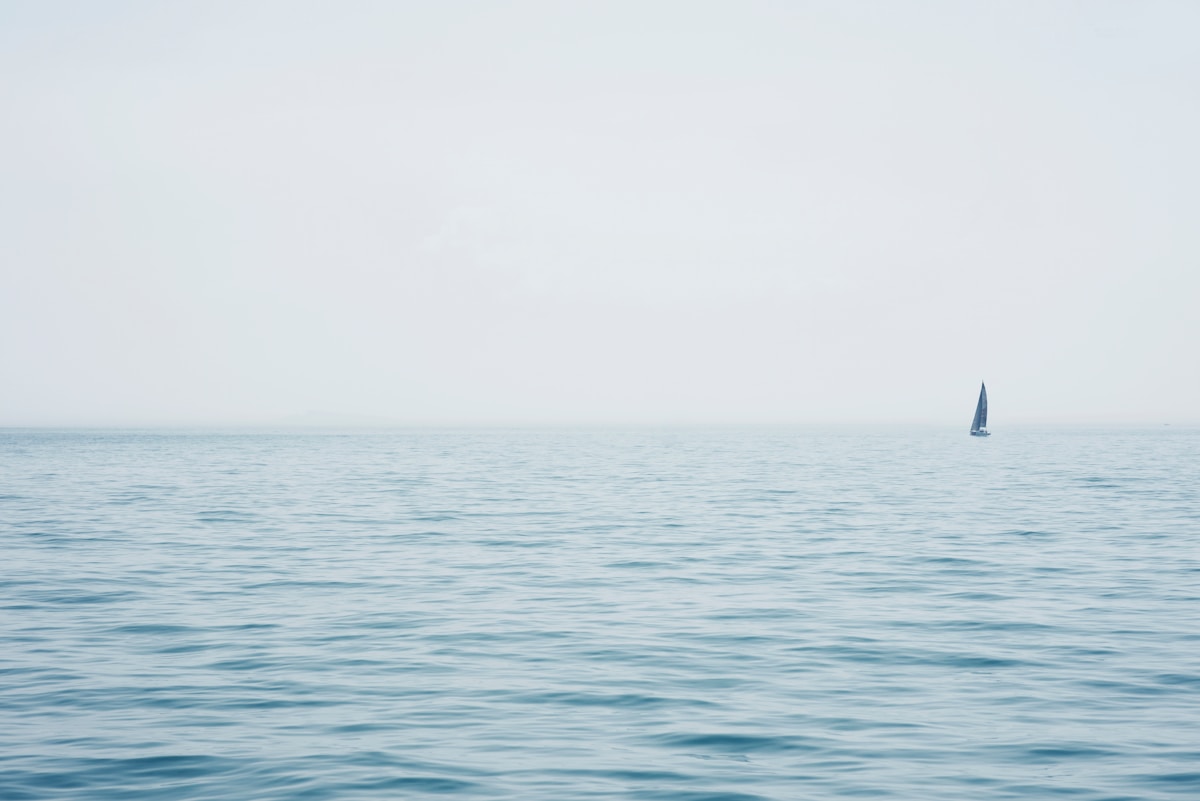
The blue cruise - mavi yolculuk in Turkish - is one of Turkey’s defining travel experiences: a multi-day sailing journey along the Turquoise Coast aboard a traditional wooden gulet, anchoring each night in bays that have no road access and no hotels in sight. The premise is simple. You spend your days swimming off the back of the boat, eating freshly cooked meals on deck, and moving at the pace of the sea rather than a bus timetable.
This guide covers the planning decisions - how much it costs, what’s included, when to go, and what to bring. For the specific routes, stops, and operator tips, see the gulet cruise routes guide.
What Is a Gulet?
A gulet is a traditional wooden motor-sailer developed on Turkey’s southwestern coast, originally from sponge-fishing boats. Modern gulets built for tourism are typically 20–35 metres long, with 4–8 double or twin cabins, a shaded deck at the stern, a sundeck at the bow, and a galley kitchen below. Most are primarily motor-driven, using sails when conditions allow but not dependent on wind. Cabins are compact but functional - air conditioning is standard on higher-quality boats, and most have private en-suite bathrooms.
How Much Does a Blue Cruise Cost?
Prices depend on whether you book a cabin on a shared boat or charter an entire gulet, and whether you travel in peak or shoulder season.
| Option | Cost (approx. 2026) | Who it suits | Itinerary control |
|---|---|---|---|
| Cabin cruise - May/Jun, Sep/Oct | €600–750 per person/week | Solo travellers, couples | Fixed |
| Cabin cruise - Jul/Aug peak | €750–900 per person/week | Solo travellers, couples | Fixed |
| Private charter - small gulet (18–22m) | €2,500–4,500 total/week | Groups of 6–8 | Full |
| Private charter - larger gulet (24m+) | €5,000–15,000 total/week | Groups of 10–12 | Full |
For a group of 10 on a private charter, the per-person cost can work out comparable to a cabin cruise while giving full flexibility. Prices above are vessel hire only; add fuel, park fees, alcohol, and crew gratuity.
Solo travellers on cabin cruises usually pay a small single supplement or can request a shared cabin arrangement through the booking agency.
What’s Included and What Isn’t
Typically included:
- Three meals per day (breakfast, lunch, dinner) prepared by the onboard cook
- Non-alcoholic drinks: water, tea, coffee, soft drinks
- Snorkelling masks and fins
- Kayaks
- The crew: captain, cook, and one or two deckhands
- Bedding and towels
Typically not included:
- Alcoholic drinks - bring your own or buy onboard (confirm arrangements at booking)
- National park and site entry fees (Sedir Island, Ölüdeniz, Kekova, etc.)
- Marina mooring fees when the itinerary includes a marina night
- Crew tips - approximately €10–20 per person per day for a crew of 3–4 is standard
- Transfers to/from the marina
- Fuel surcharges (some operators bill this separately, especially for longer one-way routes)
Confirm the full inclusions list in writing before paying a deposit. Boat quality varies significantly, as does the cook’s food - both are worth researching in reviews before booking.
Best Time to Go
The sailing season runs May through October.
- May–June: excellent weather, sea temperature rising to 22–24°C, far fewer boats in the anchorages, and lower prices. Best all-round timing for value and atmosphere.
- July–August: reliable sun and 28–30°C sea temperature, but every popular anchorage fills with gulets. Book 3–6 months ahead. Prices peak.
- September–October: sea still warm from summer (24–27°C), crowds ease markedly after late August, and the coastal light is exceptional. October can bring early storms in the western Aegean - check conditions.
Cabin Charter vs Full Charter: Which to Choose
Cabin charter suits first-time blue cruisers, solo travellers, and couples. You book individual berths on a gulet with a fixed itinerary. The confined space and shared mealtimes create a social dynamic quickly - many people cite the mix of nationalities on board as part of the experience. Main trade-off: you don’t control the pace, stops, or fellow passengers.
Full charter suits groups of 6 or more, families wanting privacy, or anyone with specific itinerary requirements. You hire the entire gulet and set your own route, departure times, and daily pace. Minimum practical group for cost efficiency is 6–8; below that, per-person costs rise sharply.
Packing for a Gulet
Space onboard is limited. One soft bag per person - hard-sided suitcases are impractical in gulet cabins.
Bring:
- Soft-soled shoes or boat shoes that won’t mark the teak deck - bare feet or rubber-soled sandals work well
- Reef-safe sunscreen (standard sunscreen damages the coastal marine environment)
- Light layers for evenings on deck - it cools down after sunset even in summer
- Seasickness medication if susceptible - the Aegean meltemi wind in July–August produces choppy seas
- Dry bag for electronics and cameras when swimming
- Cash in Turkish lira for park fees, tips, and marina stops - card acceptance on the boat varies
Leave behind: beach towels (usually provided), most electrical appliances, and anything you’d be upset to lose overboard.
Practical Notes
The Aegean meltemi wind typically blows Force 3–5 in July and August, sometimes stronger. On a motor-sailer this is uncomfortable but not dangerous; gulet captains are experienced with local conditions.
Snorkelling in sheltered bays off the back of the gulet is genuinely excellent. For scuba diving, Kaş (on the eastern route) is Turkey’s best established dive base with multiple operators offering day dives.
Dietary requirements are readily accommodated by gulet cooks - confirm at booking. The food on a quality gulet is typically one of the highlights: fresh fish, cold mezes, grilled vegetables, and substantial breakfasts.
Most blue cruises depart from Bodrum or Fethiye; Marmaris is also a common starting point. See those guides for where to stay before embarkation. For diving en route, Kaş is Turkey’s established scuba base - our scuba diving guide covers the best sites.
Essential extras: An eSIM for Turkey from Airalo gives you mobile data from the moment you land - no airport SIM queue, no physical card. Travel insurance for Turkey should cover medical costs; Turkish private hospitals charge full rates for uninsured visitors.
See also: Gulet cruise routes & itineraries (Turquoise Coast) · Paragliding in Ölüdeniz · Bodrum vs Fethiye comparison · Turkish Riviera road trip
Plan Your Trip
✈️ Book your flights to Türkiye 🛡️ Get travel insurance 📱 Stay connected with an eSIM 🚗 Rent a car