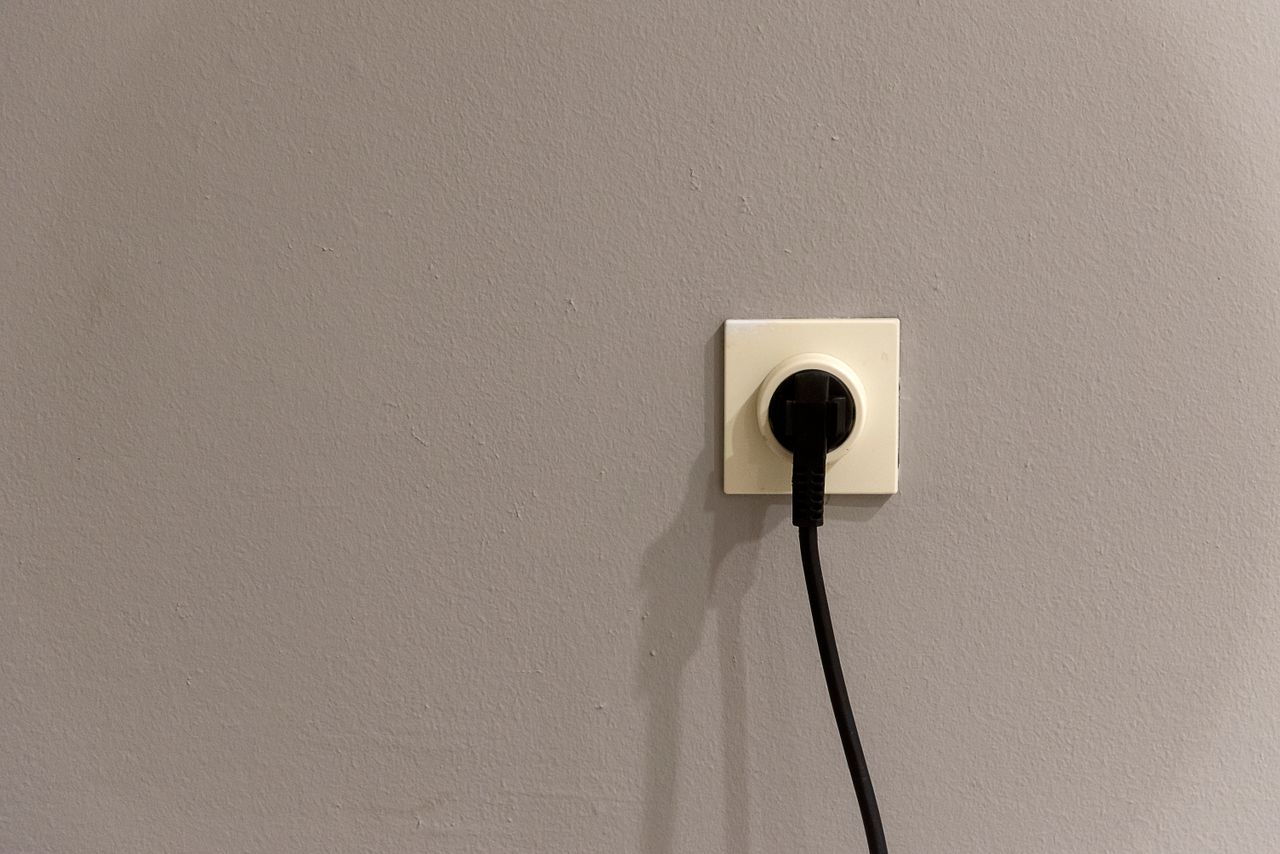
Packing the right plug is one of the cheapest bits of trip planning, and one of the easiest to forget. Türkiye runs on the standard continental European system, so most travellers from Europe need nothing, while visitors from the UK, the US, Canada and Australia need a small adapter. This page covers sockets, voltage, adapter choices and the practical snags we see in hotels and on trains. For a wider kit list, see our Türkiye packing guide.
Plug types and voltage in Türkiye
| Spec | Türkiye |
|---|---|
| Plug types | Type C and Type F |
| Voltage | 230V (older sources say 220V, same thing in practice) |
| Frequency | 50Hz |
| Typical socket | Round, two-pin, often recessed |
Type C is the thin two-pin Europlug. Type F is the same layout with two earthing clips on the sides, commonly called Schuko. Turkish wall sockets are designed for Type F plugs, and a Type C plug fits them fine. Many sockets in older hotels and village guesthouses are recessed, so chunky travel adapters with wide shoulders sometimes will not seat properly. A slim adapter is a better choice than a bulky all-in-one.
Which adapter do you need?
- UK and Ireland: you need a UK-to-Europe adapter (Type G to Type C/F). It costs roughly GBP 3 to 8 in the UK as of 2026.
- USA and Canada: you need a Type A/B to Type C/F adapter. Check the voltage rating on your devices as described below.
- Australia and New Zealand: you need a Type I to Type C/F adapter. Australian devices are 230V already, so only the plug differs.
- Germany, France, Italy, Spain, Netherlands and most of mainland Europe: no adapter needed.
- South Africa and India: most visitors bring a Type M or D adapter or a universal one.
Buy before you leave. In Istanbul, electronics shops around Eminönü and Karaköy and the shops in Istanbul Airport (IST) and Sabiha Gökçen (SAW) sell adapters, but airport prices are often two to three times higher. Hotels frequently lend them at reception, though not reliably.
Voltage: when you also need a converter
An adapter only changes the plug shape. It does not change the voltage. Look at the small print on the charger or the back of the device:
- “Input 100-240V” means it is dual voltage. Phone chargers, laptops, tablets, power banks, e-readers and most camera chargers carry this. A plug adapter is all you need.
- “120V only” means it will be damaged on Turkish 230V mains. This most often applies to hair dryers, curling irons, straighteners, travel kettles and some electric razors from North America.
For heated styling tools, we recommend leaving them at home or buying a dual-voltage travel version. Most Turkish hotels from three-star up provide hair dryers in the bathroom or on request. A step-down transformer works but is heavy, and cheap units can overheat on high-wattage appliances.
Charging on the move
- Trains and buses: the high-speed YHT trains between Istanbul, Ankara and Konya have sockets at many seats, and long-distance coaches from companies such as Metro and Pamukkale usually offer USB ports. Both can be dead or loose, so carry a power bank.
- Cappadocia cave hotels: sockets may be limited to one or two per room, so a small multi-way adapter or USB hub helps. Our Cappadocia guide covers where to stay.
- Blue cruises and gulets: onboard power often comes from a generator and may be limited to certain hours. Charge fully before boarding. See our blue cruise guide.
- Cafes and co-working spaces: in Istanbul, Izmir and Antalya most laptop-friendly cafes have sockets near the tables. Our best cafes to work in Türkiye lists good options.
Practical tips
- Power cuts: short outages happen, especially in older rural buildings and after storms. Surges are less common, but a surge-protected multi-way is worth it for a laptop.
- Mobile data: if your phone battery is your lifeline for maps and tickets, pair a power bank with a local eSIM. See our eSIM guide for Türkiye.
- Power banks on flights: keep them in hand luggage. Airlines, including Turkish Airlines, restrict lithium batteries in checked bags.
- Multi-country trips: if you are continuing to Greece, Bulgaria or elsewhere in Europe, the same Type C/F adapters will work across most of the continent.
What we pack
Our own kit for a typical trip is small: one slim Type C/F adapter per person, a compact 3-way extension if travelling as a group or couple, a 20,000mAh power bank, and USB-C cables for each device. A GaN multi-port wall charger lets two phones and a laptop run from a single socket.
A final check before you leave: confirm your laptop and phone chargers say 100-240V, pack the adapter in hand luggage so you can charge on arrival, and leave any 120V-only appliances at home.
Settling in on your first day in Istanbul? Browse guided Istanbul tours and keep that power bank charged for a long day of photos and maps.