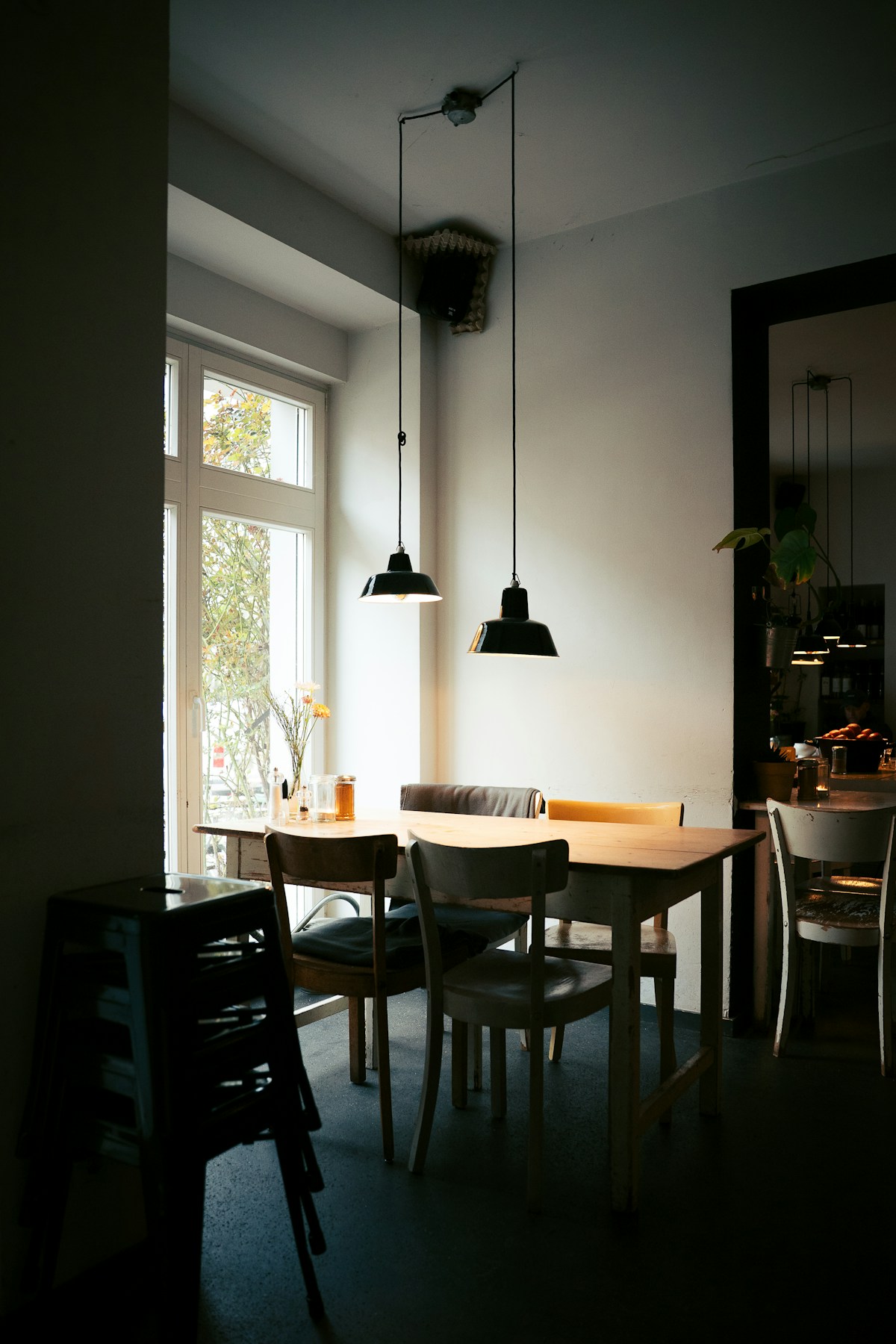
Turkey has a cafe culture that predates the laptop by centuries - çay bahçeleri (tea gardens) and kahvehaneler (coffeehouses) are social institutions. The challenge for remote workers is that traditional cafe culture is built around conversation and çay, not WiFi and power outlets. The practical task is finding where the third-wave speciality cafe scene - the working-friendly layer - is strongest.
Cafe WiFi in Turkey can drop without warning - we carry an Airalo eSIM as a tethering backup for calls and deadlines. Our Turkey SIM and eSIM guide compares the options.
How Turkish cafe culture works for remote workers
The distinction to understand first: a çayhane (tea house) and a speciality coffee shop are different environments entirely. Tea houses serve black çay in tulip glasses at minimal cost, are packed with locals, and are social spaces - bringing a laptop would be unusual. Speciality cafes serve filter coffee, V60, flat whites, and cold brew; price accordingly; and expect two to three hour stays.
The speciality cafe wave reached Istanbul around 2012–2015 and has since spread to Ankara, İzmir, and the coastal cities. In smaller cities you are working with university-area cafes rather than dedicated third-wave spaces - still functional, but different in character.
Practical points across all cities:
- Order at least two drinks over a long session. Not enforced, but respectful.
- Peak hours (12–2pm weekdays, 11am–1pm weekends) fill outlet seating fast. Arrive before the rush.
- A Turkish SIM card as a backup connection is worth having - Turkcell 4G often delivers better speeds than some cafe WiFi.
- Power outlets are scarce at traditional cafes; speciality cafes increasingly provide them, but not universally. Scout the space before ordering.
Istanbul
Istanbul has the densest concentration of laptop-friendly cafes in Turkey. Three areas carry the working crowd: Karaköy (third-wave coffee focus, professional atmosphere), Kadıköy on the Asian side (cheaper, more relaxed, student and creative mix), and Beyoğlu/Cihangir (independent cafes, slightly quieter than the tourist belt).
Petra Roasting Co. (multiple locations, Beyoğlu/Karaköy): One of Istanbul’s specialty coffee pioneers. Fast wifi, laptop-friendly layout, and a consistent working crowd throughout the morning. Multiple locations mean there’s usually a seat available somewhere in the network.
Kronotrop (Meşrutiyet Cad, Beyoğlu and other locations): A quality roaster with good seating for work and reliable internet. The Beyoğlu branch is better for focused work than the more social outposts. Consistently recommended by Istanbul-based remote workers.
Brew Lab (Cihangir area): A quieter neighbourhood café suited to focused work. Specialty coffee, good wifi, and a calmer atmosphere than the main Beyoğlu strip - useful when Karaköy and Istiklal are too busy.
Karaköy Güllüoğlu (Rıhtım Cad, Karaköy): Primarily known as Istanbul’s most famous baklava house, but the café seating has dependable wifi and a steady stream of professionals working between meetings. Not a dedicated work café, but a reliable option in central Karaköy with good baklava access during breaks.
Ankara
Ankara’s working infrastructure is consistently underestimated. As the capital, it has a professional class that works from cafes, dedicated coworking spaces for full-day focus sessions, and consistently reliable internet quality. The Kızılay and Çankaya districts have the highest concentration of working-friendly cafes.
Coffeemania (Kızılay and Çankaya branches): A large chain with reliable wifi across all Ankara branches. Good for long working sessions - the format is designed around extended stays, seating is comfortable, and the internet is stable. Prices are reasonable by capital city standards.
Arabica Coffee House (Kavaklıdere area): Specialty coffee with a quieter atmosphere than the chain options. Reliable for remote work with fast internet and a professional clientele. Better suited to focused individual work than meetings.
Newton Coffee (university area): Popular with ODTÜ and Bilkent students and professionals. Fast internet and long hours make it a practical choice for extended working sessions. The atmosphere is more energetic than Arabica but the wifi is among the fastest in the university district.
Antalya
Antalya divides into two working environments: tourist-facing cafes in Kaleiçi (old town) - atmospheric but inconsistent on WiFi - and local cafes further out that serve the city’s growing tech and remote working population. Sessions work best scheduled for the morning before tourist crowds build. For specifics, see Antalya cafes to work from.
İzmir
İzmir has a strong café culture rooted in its cosmopolitan character. The Alsancak neighbourhood is the primary working zone - a walkable area with independent specialty cafes, fast wifi, and a professional-creative mix.
Keyif Coffee (Alsancak neighbourhood): One of İzmir’s best specialty roasters for both quality and wifi reliability. A consistent choice for remote workers based in the city. Good seating layout, adequate power outlets.
Café Kıbrıs (Kordon waterfront): Seafront setting with Aegean views, popular for afternoon working sessions. The atmosphere is more relaxed than the central Alsancak options, and the wifi is reliable enough for standard remote tasks. Better suited to lighter work and calls than intensive coding or video editing.
Gaziantep
Gaziantep is the underrated option. Two large universities anchor real cafe culture - working spaces with reliable WiFi are easy to find, prices are noticeably lower than coastal cities, and the atmosphere in the commercial district is relaxed. The added draw: baklava and kebap access at every break. The detailed guide covers the best working cafes in Gaziantep.
Coastal and smaller cities
Most smaller coastal cities (Bodrum, Marmaris, Kaş, Fethiye) have working cafes but availability tightens sharply in peak summer. July and August bring tourist crowds that fill available seating and slow WiFi. Shoulder season - April through June and September through October - is a different proposition: these cities offer strong lifestyle-work balance when the crowds are gone. Individual city guides cover the seasonal specifics.
Plan Your Trip
✈️ Book your flights to Türkiye 🛡️ Get travel insurance 📱 Stay connected with an eSIM 🚗 Rent a car