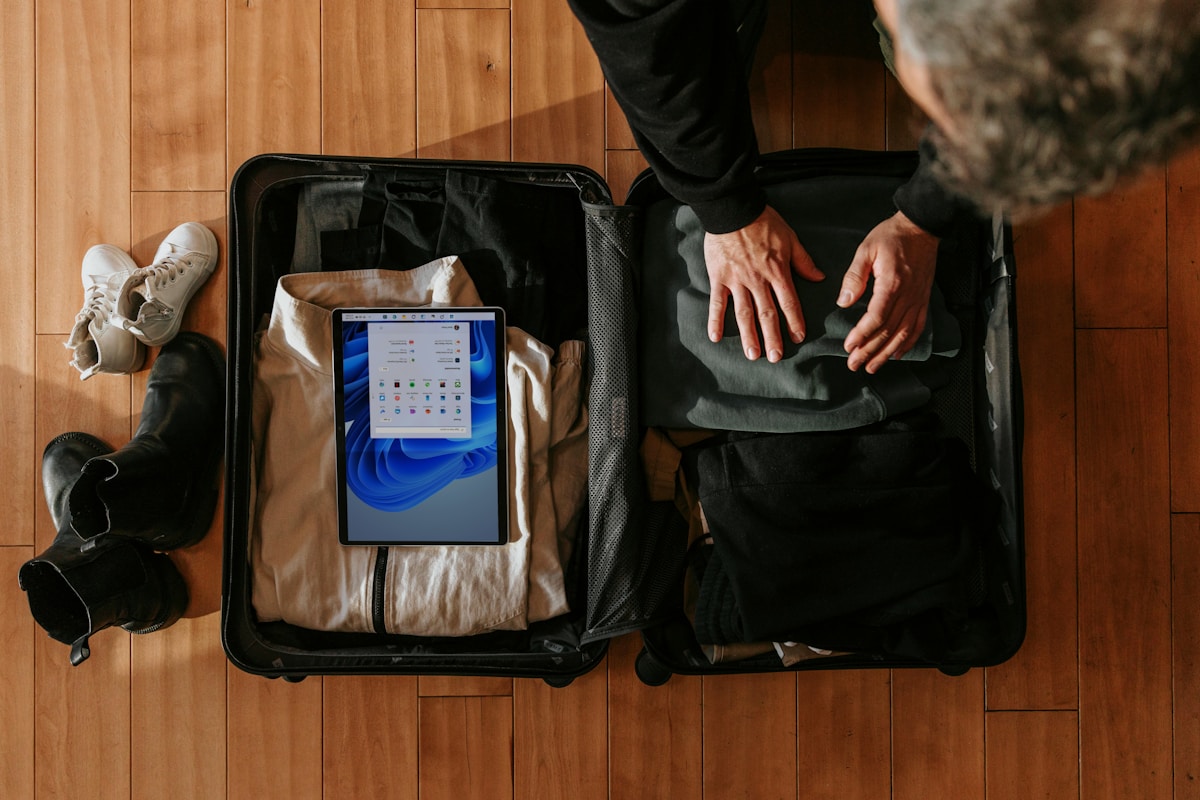
Turkey spans a huge range of climates and settings - Istanbul’s blustery winters, the scorching Aegean and Mediterranean coast, the high steppe of Central Anatolia, and the cold eastern plateau near Mount Ararat. What you pack depends significantly on when you’re going, where you’re going, and what you plan to do. This guide covers all scenarios.
Seasonal Clothing Breakdown
Summer (June–August)
This is the hottest period. Coastal temperatures regularly exceed 35°C in Bodrum, Marmaris, Antalya and Alanya. Istanbul is humid and reaches 28–32°C. Cappadocia runs 28–34°C with dry heat.
Pack:
- Lightweight linen or moisture-wicking shirts and dresses - at least four to five changes in a week-long trip
- Loose cotton or linen trousers (useful for mosques and conservative areas, and more comfortable than you’d expect in heat)
- A lightweight cardigan or long-sleeved layer - required for mosque visits and appreciated in heavily air-conditioned shopping malls, buses and domestic flights
- Sandals for casual walking (Birkenstock Arizonas hold up well on cobblestones)
- Comfortable walking shoes or trainers for city exploration and archaeological sites
- Sun hat with a brim - the Aegean sun at 2pm is extreme. A packable Panama or wide-brim sun hat folds flat in a bag.
- Sunglasses with UV400 protection
- Light scarf (women) - doubles as mosque head cover and UV protection at the beach
Sunscreen: Turkey sells sunscreen (güneş kremi) widely, but it is expensive relative to other costs - approximately TRY 180–350 for a 200ml SPF50 as of 2026. Bring your own from home.
Spring and Autumn (April–May, September–October)
The best time to visit most of Turkey. Temperatures sit between 15–25°C on the coasts, 12–20°C in Istanbul, and 10–18°C in Cappadocia and Central Anatolia.
Pack:
- Layering is key - a light-to-mid layer plus a packable windproof or rain jacket
- Jeans or chinos - more versatile than shorts for spring/autumn evenings
- Walking shoes - spring and autumn are ideal for the Lycian Way, Cappadocia valleys, and urban exploration. A broken-in pair of trail runners (Salomon X-Ultra 4 or Merrell Moab 3) covers 90% of hiking needs.
- Light waterproof jacket - Istanbul and the Black Sea coast are rainy in spring
Winter (November–March)
Turkey’s winter varies dramatically by region.
Istanbul and the Aegean coast (Izmir, Bodrum): Cold and wet - 0–10°C in Istanbul, 5–15°C in Izmir. Snow is rare in Istanbul but possible. Pack a proper winter coat, jumpers, scarf and waterproof footwear.
Ankara and Central Anatolia: Colder and drier - Ankara averages -2 to 5°C in January and regularly receives snow. A warm winter coat, thermals and insulated footwear are necessary.
Eastern Turkey (Van, Erzurum, Kars, Doğubayazıt): Extreme cold - Erzurum averages -12°C in January, with temperatures dropping to -25°C or lower. Van averages -6°C in winter. Pack:
- Heavy down or synthetic-fill jacket (at least 600-fill power down, or a Patagonia DAS Parka equivalent)
- Thermal base layers (merino wool is ideal - Icebreaker 200 or 260 weight)
- Insulated trousers or thick fleece-lined leggings
- Waterproof boots with insulation rated to at least -15°C (Sorel Caribou or Kamik Nation Plus are reliable budget options)
- Warm hat, gloves and neck gaiter
Cappadocia in winter: Popular in January and February for snowy landscapes, but cold - average lows of -7°C. Dress for serious cold and layer up.
Mosque Dress Code
Turkey has thousands of mosques, and visiting them is one of the highlights of any trip - the Blue Mosque (Sultanahmet Camii), Süleymaniye, Hagia Sophia, Selimiye in Edirne, and dozens of smaller historic mosques all welcome visitors.
The rules are consistent across all mosques:
- Women: Hair must be covered inside the mosque. Any scarf works - a 60x60cm lightweight cotton or silk scarf ties easily and packs to almost nothing. Shoulders must be covered, and skirts or trousers must reach at least the knee. If you arrive in shorts, many mosques provide a wrap - but don’t rely on this.
- Men: No bare shoulders - a t-shirt is fine but vest tops/tank tops are not acceptable. Shorts are technically allowed in some mosques but frowned upon; long trousers or chinos are strongly preferred and will avoid any awkward moments at the entrance.
- Both: Shoes must be removed and carried or placed in the provided shelving at the entrance. Socks are appreciated inside (the carpets can be cold in winter and warm stone can be rough on bare feet).
Scarf recommendation: A lightweight cotton-voile scarf, such as those sold at Grand Bazaar for approximately TRY 80–200 (as of 2026) or the Buff Lightweight Merino Wool Scarf (available online before travel), is the most practical option - light enough to carry in a bag all day, large enough to cover hair adequately.
Modesty Expectations Outside Tourist Areas
Tourist areas (Istanbul old city, Cappadocia, Aegean and Mediterranean coast): Standard European holiday dress is completely fine. Shorts, sleeveless tops and light summer clothing are the norm.
Conservative inland cities (Konya, Şanlıurfa, Gaziantep, Malatya, Erzurum): These cities are more religiously conservative than Istanbul or the coastal resorts. Women in shorts or very revealing clothing will attract stares and occasional comments. Long trousers or maxi skirts and covered shoulders are appropriate and will make the experience more comfortable. Men in shorts will be fine but long trousers are the norm.
Kurdish southeast (Diyarbakır, Van, Hakkari region): Similar to conservative inland cities. Women dressing modestly will be more warmly received and will have a more comfortable experience in bazaars and local restaurants.
This isn’t a legal requirement - Turkey is a secular country and there is no dress code enforcement on the street. It’s a practical suggestion for more enjoyable interactions.
Beach and Coastal Gear
For the Aegean and Mediterranean coast (Bodrum, Marmaris, Antalya, Ölüdeniz, Alanya, Kaş):
- Swimwear - standard beach swimwear is universally worn at Turkish beach resorts. Topless sunbathing is generally accepted at resort hotels; less so at public beaches.
- Reef-friendly sunscreen - several popular bays (Ölüdeniz, Butterfly Valley) have sensitive marine environments. Avoid oxybenzone-based sunscreens; opt for mineral (zinc oxide) sunscreen.
- Water shoes - the Aegean coast has many pebble beaches. A pair of lightweight Decathlon Aquashoes (approximately TRY 200–350 as of 2026) prevents bruised feet and gives grip on rocky entries.
- Snorkel mask - clear water around Kaş, Kekova and the Turquoise Coast rewards snorkelling. A basic set costs approximately TRY 150–400 from Decathlon stores across Turkey.
- Dry bag - for boat trips and blue cruise. A 10L dry bag (Sea to Summit Ultra-Sil or similar) keeps phones, cameras and valuables secure.
Hiking and Outdoor Gear
Lycian Way - 540km coastal trail; most hikers tackle sections. A 3-day section requires:
- Trail running shoes or light hiking boots (Salomon Speedcross 6 handles the rocky sections well)
- Trekking poles - useful on steep descents
- 2L water capacity minimum - the trail between villages can be dry in summer
- Headtorch for early starts (Petzl Actik Core, approximately USD 40)
Cappadocia valleys - Rose Valley, Ihlara Gorge and the Göreme area involve moderate walking on sandy and rocky terrain. Decent trainers are fine for most routes; light hiking boots for longer routes.
Mount Ararat and eastern mountains - mountaineering equipment required for Ararat summit attempts; beyond the scope of this guide. For general hiking in eastern Turkey (Kaçkar Mountains, Taurus range), bring layered technical clothing, waterproofs and broken-in boots.
Electrical Adapters
Turkey uses Type F (Schuko) plugs at 220V / 50Hz.
- UK travellers need a UK-to-Type-F adapter (BS 1363 to CEE 7/4). Cost: approximately GBP 5–10 from Argos, Amazon or airport shops.
- US/Canada travellers need a Type A/B to Type F adapter. Most modern electronics (phones, laptops, camera chargers) are dual-voltage (100–240V) and need only the plug adapter. Check your appliance label - if it says “100–240V”, you need only the plug adapter. Hair dryers and straighteners rated at 110V only will be damaged without a step-down voltage converter.
- Australia/NZ travellers need a Type I to Type F adapter.
Recommended travel adapter: The Anker 65W USB-C GaN wall charger fits Type F sockets with a simple adapter ring and charges two devices simultaneously. For a universal multi-country adapter, the BESTEK 250W Travel Adapter covers all socket types and includes four USB ports.
Power banks are worth bringing: Istanbul’s cobblestone areas and long sightseeing days drain phones quickly. A 20,000mAh power bank (Anker 737 or similar) keeps phones and cameras running all day without hunting for sockets.
Essential Documents and Extras
- E-visa or visa on arrival - most nationalities can apply for a Turkey e-visa online before travel. The e-visa is a PDF - print it or save it offline; border officials scan the barcode.
- Printed hotel addresses in Turkish - taxi drivers outside major tourist areas may not read English-language Google Maps destinations. A printed address in Turkish prevents confusion.
- EHIC/GHIC card (UK travellers) - the UK Global Health Insurance Card gives access to public healthcare in Turkey (Turkey recognises reciprocal healthcare with the UK). Does not cover private hospitals; still carry travel insurance.
- Small combination padlock - for hostel lockers and bag security on overnight buses (Bodrum–Istanbul bus journeys are 10–12 hours, luggage stored below the bus).
- Electrolyte sachets - summer heat combined with heavy sightseeing causes dehydration quickly. Dioralyte or High5 Zero tablets are compact and effective; Turkish pharmacies also stock rehydration salts (Oral-It or similar, approximately TRY 25–50 per sachet as of 2026).
Search hotels in Turkey on Booking.com
Before you pack: Arrange travel insurance for Turkey before departure - medical cover and trip cancellation are the most-claimed items for Turkey visitors. Pick up an eSIM for Turkey to stay connected without a physical SIM swap.