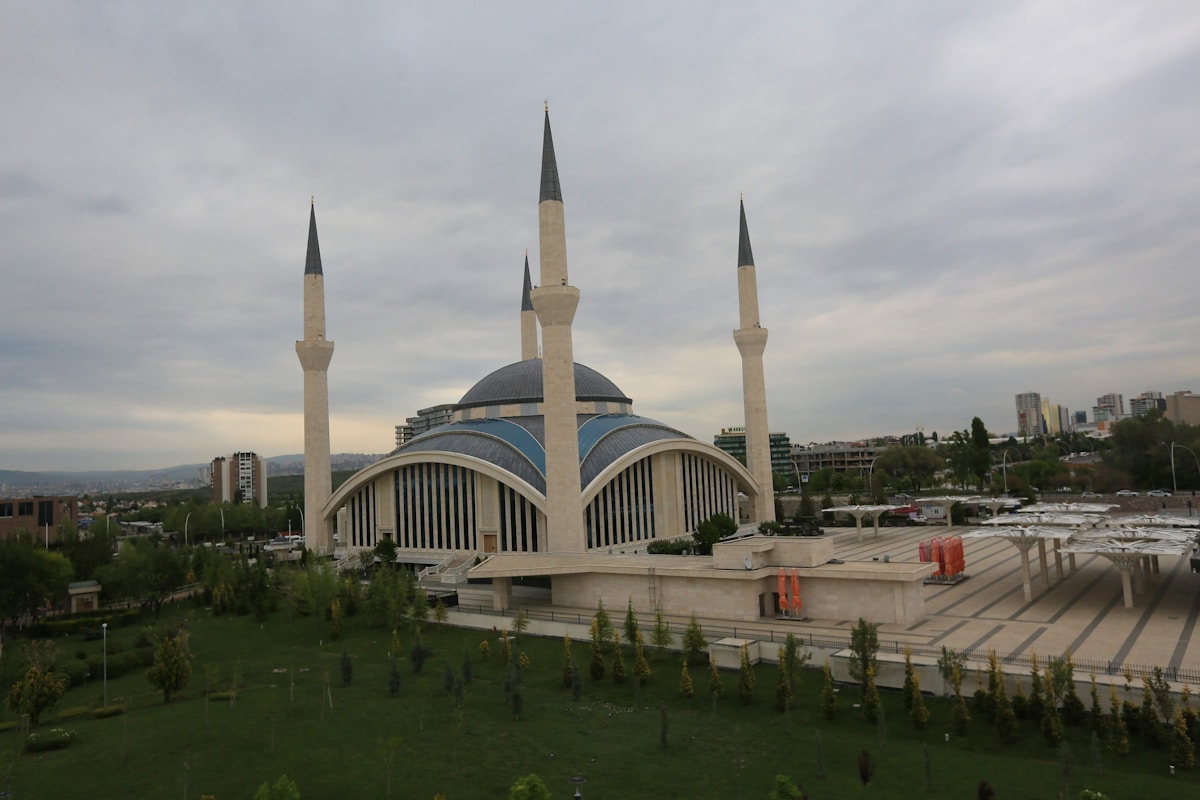
Most visitors to Turkey go straight to Istanbul and never consider Ankara - the actual capital. That is largely the right call for first-timers. But Ankara holds some of Turkey’s most important museums, a compelling Anatolian citadel, and an authentic, non-touristy city experience that Istanbul’s old quarter cannot replicate. Understanding what each city offers helps you plan a trip that goes beyond the obvious.
Quick Verdict
| Category | Ankara | Istanbul |
|---|---|---|
| Monuments & History | Good (Atatürk Mausoleum, Citadel) | Outstanding |
| Museums | World-class (Anatolian Civilisations) | Excellent |
| Food Scene | Good | World-class |
| Nightlife | Moderate | Exceptional |
| Tourist Infrastructure | Limited | Extensive |
| Cost | Lower | Moderate–High |
| Pace | Business city | Energetic |
| Best For | Museum focus, Anatolia base | Everything else |
What Kind of City Each Is
Istanbul needs little introduction. With 15 million people and 2,500 years of layered civilisation, it is one of the world’s great cities - an overwhelming accumulation of Byzantine churches, Ottoman mosques, bazaars, Bosphorus ferries, rooftop bars, and street food that few cities can match. The Istanbul city hub rewards weeks of exploration; most visitors feel they have barely scratched the surface after a week.
Ankara became the Turkish capital in 1923 - a deliberate choice by Atatürk to break with the Ottoman past and establish a new republic in the Anatolian heartland. It is a planned, modern city - wide boulevards, government buildings, universities. The urban population of 5–6 million is largely civil servants, students, and professionals. Ankara is not a city that makes an obvious case for itself to tourists. But it contains two attractions that are genuinely world-class and justify the detour.
Museums and Monuments
Ankara wins for museums, unexpectedly. The Museum of Anatolian Civilisations (Anadolu Medeniyetleri Müzesi) is one of the finest archaeological museums in the world - housing Hittite, Phrygian, Urartian, Lydian, and prehistoric Anatolian collections in a beautifully restored 15th-century Ottoman bedesten (covered market). Entry approximately ₺350 as of 2026. This museum alone justifies an Ankara stopover for archaeology enthusiasts.
Anıtkabir - the mausoleum of Mustafa Kemal Atatürk - is a monumental complex on a hilltop that receives millions of visitors annually. Free to enter, it provides insight into the near-mythological status of the republic’s founder in Turkish civic identity. The Atakule Tower offers panoramic city views. The Ankara Citadel (Hisar) is a Byzantine-era fortress with Seljuk additions - compact, atmospheric, and free to walk.
Istanbul wins on sheer volume of major sites: Hagia Sophia, Topkapı Palace (entry approximately ₺1,000 as of 2026), the Blue Mosque, Basilica Cistern (₺400), Grand Bazaar (free), Istanbul Archaeological Museum (₺600). See our Istanbul things to do guide for the full itinerary.
Food
Istanbul is a world-class eating city by any global standard. The Istanbul food scene spans every budget: ₺8–15 simit and ₺20–40 börek at street stalls; ₺150–300 at neighbourhood kebab restaurants; ₺300–600 per head at meyhane restaurants; ₺700–1,400 at serious fish restaurants on the Bosphorus. The diversity is exceptional.
Ankara food reflects its Central Anatolian location. The city has a strong döner culture (Ankara-style döner is sliced from a horizontal spit rather than the upright version elsewhere). Çiğ köfte (spiced bulgur wheat balls) are excellent street food (₺20–40 per serving). The Kızılay and Tunalı Hilmi neighbourhoods have concentrated café and restaurant scenes with good mid-range options at ₺120–250 per person. Ankara is not a food destination, but it eats well.
Nightlife
Istanbul has one of Europe’s busiest nightlife scenes: Beyoğlu running until 4am, Bosphorus clubs in summer, rooftop bars in Karaköy. No comparison possible.
Ankara has a lively university bar scene in the Kızılay and Çankaya neighbourhoods - frequented by students and young professionals. It is genuine and unpretentious. Tunalı Hilmi Caddesi is the main restaurant and bar corridor. This is not why you visit Ankara, but it’s more alive than many expect.
Accommodation
Ankara options: Sheraton Ankara Hotel & Convention Centre at approximately ₺3,000–6,000/night, Ankara Hilton SA at ₺2,500–5,500/night, Gordon Hotel Ankara at ₺1,800–3,500/night. Business hotels dominate; boutique options are limited but growing. See our Ankara hotel guide.
Istanbul options: far broader range. Vault Karaköy at ₺4,500–7,000/night, Hotel Empress Zoe in Sultanahmet at ₺3,200–5,500/night, and dozens of boutique options across Beyoğlu, Galata, and Sultanahmet. See our Istanbul hotel guide.
Search hotels in Turkey on Booking.com
Costs
| Expense | Ankara | Istanbul |
|---|---|---|
| Budget hotel | ₺700–1,500/night | ₺900–1,800/night |
| Midrange hotel | ₺1,800–4,000/night | ₺2,500–5,500/night |
| Restaurant meal | ₺100–250/person | ₺150–350/person |
| Airport transfer | ₺300–600 | ₺800–1,200 |
Prices approximate as of 2026. See our Turkey travel costs guide.
Ankara is consistently cheaper than Istanbul for accommodation and eating out, reflecting lower tourist demand and living costs.
Getting Around
Istanbul has the most extensive public transit in Turkey: metro, tram, funicular, Marmaray rail, Bosphorus ferries - all covered by İstanbul Kart (approximately ₺44 to buy, ₺7–12 per journey as of 2026). The city’s size means journey times add up; allow 30–60 minutes for cross-city trips.
Ankara has a metro (Ankara Metro) with three lines connecting the main districts - fast, clean, and cheap (approximately ₺12–18 per journey as of 2026). The city is on a single plateau, making orientation easier than Istanbul. The Anatolian Civilisations Museum, Anıtkabir, and the Citadel are all reachable by metro and short walk or taxi.
Between the cities: Ankara and Istanbul are connected by Turkey’s high-speed rail (YHT) - 4.5–5.5 hours, approximately ₺200–450 depending on class and booking time. Flights are faster (55–70 minutes) but include airport overhead. The high-speed train between Ankara and Istanbul is one of the best-value city connections in Turkey.
Day Trips
Istanbul day trips: Princes’ Islands (ferry, free to explore), Bursa (cable car, Ottoman monuments), Edirne (mosques), Gallipoli (war cemeteries and peninsula).
Ankara day trips: Hattuşa (Hittite capital, 200km east - a long day but extraordinary), Gordion (Phrygian capital, 100km west - Alexander the Great cut the Gordian Knot here), Cappadocia (300km southeast - long day or overnight). Renting a car in Turkey from Ankara is the most practical way to reach these sites. Ankara is the most logical base for exploring Central Anatolia. See our best time to visit Turkey guide for season-by-season guidance on the interior.
Who Should Visit Ankara
Ankara is not a must-see for most Turkey visitors - Istanbul is. But Ankara earns a detour if:
- The Museum of Anatolian Civilisations is on your list (it should be for any archaeology enthusiast)
- You’re travelling across Turkey by train (the high-speed rail hub)
- You’re visiting Cappadocia and want to avoid flying into Kayseri - Ankara is an alternative approach
- You want to understand modern Turkey: the city embodies the Kemalist republic’s founding ideals more than anywhere else
Which to Choose
Choose Istanbul if:
- This is your first visit to Turkey
- You want monuments, food, nightlife, and culture concentrated in one city
- Your time is limited to 3–7 days
- Beaches, bazaars, and the Bosphorus are priorities
Choose Ankara if (or add it to Istanbul):
- The Museum of Anatolian Civilisations is a priority
- You’re a student of modern Turkish history
- You’re using Ankara as a gateway to Central Anatolia
- You want to experience a non-touristy Turkish city
Most effective: spend 4–5 nights in Istanbul, then take the high-speed train to Ankara for 1–2 nights (Museum of Anatolian Civilisations + Anıtkabir), before continuing by bus or plane to Cappadocia. This three-city circuit covers ancient, imperial, and republican Turkey in a single coherent trip.
Frequently Asked Questions
Is Ankara worth visiting as a tourist? Yes - with realistic expectations. Ankara is not a tourist city in the same sense as Istanbul, Cappadocia, or the Turkish coast. But the Museum of Anatolian Civilisations is genuinely world-class, Anıtkabir is a significant cultural and political landmark, and the old Citadel district has real atmosphere. As a single-destination trip, Ankara doesn’t compete with Istanbul. As a 1–2 night addition to a longer Turkey itinerary, it adds real depth - particularly for travellers interested in Hittite, Phrygian, and early Anatolian history.
How far is Ankara from Istanbul? By high-speed train (YHT) approximately 4.5–5.5 hours; by air 55–70 minutes including airport time. The train departs from Istanbul’s Halkalı station (metro connection from central Istanbul) to Ankara Gar. Tickets cost approximately ₺200–450 depending on class and advance booking. Regular daily departures run from early morning to late evening.
Which city has better food, Ankara or Istanbul? Istanbul, significantly. Istanbul is a world-class eating city with extraordinary variety from street food to high-end restaurants. Ankara eats well for a major city - its Kızılay and Tunalı Hilmi areas have solid midrange options - but it lacks Istanbul’s diversity, seafood, and food culture depth. For serious eating, Istanbul is not a close comparison.
Essential extras: An eSIM for Turkey from Airalo gives you mobile data from the moment you land - no airport SIM queue, no physical card. Travel insurance for Turkey should cover medical costs; Turkish private hospitals charge full rates for uninsured visitors.
See also: Ankara travel guide · Istanbul travel guide · 3-day Istanbul itinerary · Eastern Express train · Istanbul vs İzmir · Istanbul vs Antalya
Plan Your Trip
✈️ Book your flights to Türkiye 🛡️ Get travel insurance 📱 Stay connected with an eSIM 🚗 Rent a car