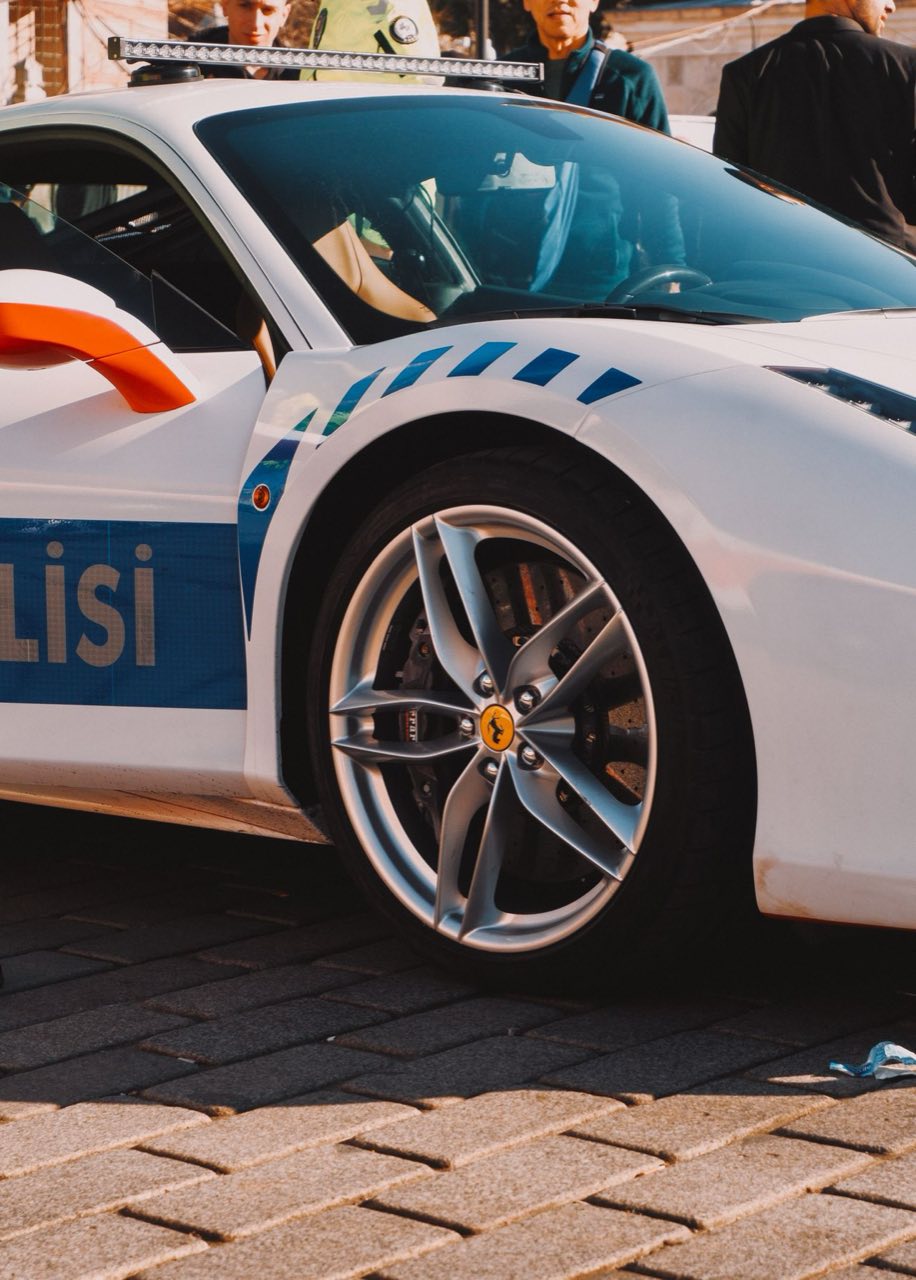
If something goes wrong in Türkiye, one number covers almost everything: 112. The rest of this page covers the other lines worth saving, what to say, and how to handle hospitals, theft and a lost passport. For consular help afterwards, see our embassies and consulates guide.
The numbers to save (as of 2026)
Türkiye has moved its emergency lines onto a unified 112 system, and the older single-purpose numbers still connect. We checked these against several current listings, but save them before you travel.
| Service | Number |
|---|---|
| All emergencies (ambulance, police, fire, rescue) | 112 |
| Police (Emniyet) | 155 |
| Gendarmerie (Jandarma, rural areas and many villages) | 156 |
| Fire (İtfaiye) | 110 |
| Coast guard (Sahil Güvenlik), for trouble at sea | 158 |
| Istanbul tourist police, Sultanahmet | +90 212 527 45 03 |
Calls from any mobile are free, including from a phone without a working SIM. If you are calling from abroad, add +90 to the local number you need.
Which number to call
Medical emergency: call 112 and ask for an ambulance (ambulans). Ambulances in cities are fast and free at the point of use for the emergency itself, though private transfers may be billed later.
Theft, assault or a lost bag: call 155 in a town or city. In villages and countryside you will often fall under the jandarma, so use 156. If you want a report for your insurer, ask for a police report (tutanak) at the nearest station.
Fire: 110, or 112, and give the street, district and landmark.
At sea: boat trouble on a gulet cruise, a swimmer in difficulty on the Aegean or Mediterranean coast: 158 for the coast guard, or 112. Say the nearest bay or village name, since coordinates mean little to most call handlers. Our blue cruise guide covers safety on the water.
Earthquake: Türkiye is seismically active. After shaking stops, move outdoors away from buildings, then call 112 only if someone is trapped or hurt, so lines stay free.
What to say on the call
Operators may not speak fluent English, so keep it short and say the location first.
- “Yardım lazım” - I need help.
- “Ambulans lütfen” - Ambulance please.
- “Polis lütfen” - Police please.
- “Yangın var” - There is a fire.
- “Adres…” then the hotel name, district (ilçe) and a landmark.
Save your hotel’s name and address in Turkish on your phone. Showing it to a taxi driver or passer-by helps the helper. More essentials are in our Turkish phrases guide.
Tourist police in Istanbul
Istanbul has a dedicated tourist police office in Sultanahmet, close to the Blue Mosque and Hagia Sophia, staffed by officers who handle visitor complaints such as overcharging, scams and lost documents. It is the best first stop if you are robbed in the old city. Our sources list the main number as +90 212 527 45 03, but some listings give other lines, so use 155 if it does not connect. Outside Istanbul there is no separate tourist police number; the regular police handle visitor cases.
Hospitals and pharmacies
Istanbul, Ankara, Izmir and Antalya have good private hospitals used to foreign patients, and many have English-speaking staff. Public hospitals (devlet hastanesi) are cheaper but busier, and in emergencies they must treat you. Private hospitals commonly ask for a card guarantee or proof of insurance before non-urgent treatment. In small towns and remote areas, facilities are basic, so for serious injuries ask to be transferred to a larger city.
Pharmacies (eczane) are everywhere, and the green cross sign is easy to spot. Every district has a duty pharmacy (nöbetçi eczane) open at night, and the address is posted on the door of closed pharmacies. For vaccines and routine health planning, see our health and vaccinations guide.
Travel insurance: the real safety net
Emergency treatment is given regardless of insurance, but private hospital bills, air ambulance transfers and repatriation can reach thousands of euros. Before you travel, buy a policy covering medical costs, evacuation and theft, keep the policy number and the insurer’s 24-hour assistance line in your phone and on paper, and ask the hospital to contact your insurer early. Compare options in our travel insurance guide. Keep receipts and the police tutanak for claims.
If you lose your passport or are arrested
Report a lost or stolen passport to the police first and get a tutanak, then contact your embassy or consulate for an emergency travel document. If you are detained, you have the right to contact your consulate and to a lawyer. Do not sign Turkish-language documents you do not understand without a translator.
Before you go: a quick checklist
- Save 112, 155 and your insurer’s line in your phone under “ICE”.
- Write your hotel address in Turkish on a card.
- Keep a photo of your passport, offline.
- Note your nearest consulate, which for most visitors is in Istanbul.
- Download an offline map of your base.
Planning a first day in Istanbul with confidence? Browse guided Istanbul tours led by local guides, which keep you in a group with a contact on hand.