Turkish Hammam Guide: What to Expect at a Traditional Turkish Bath
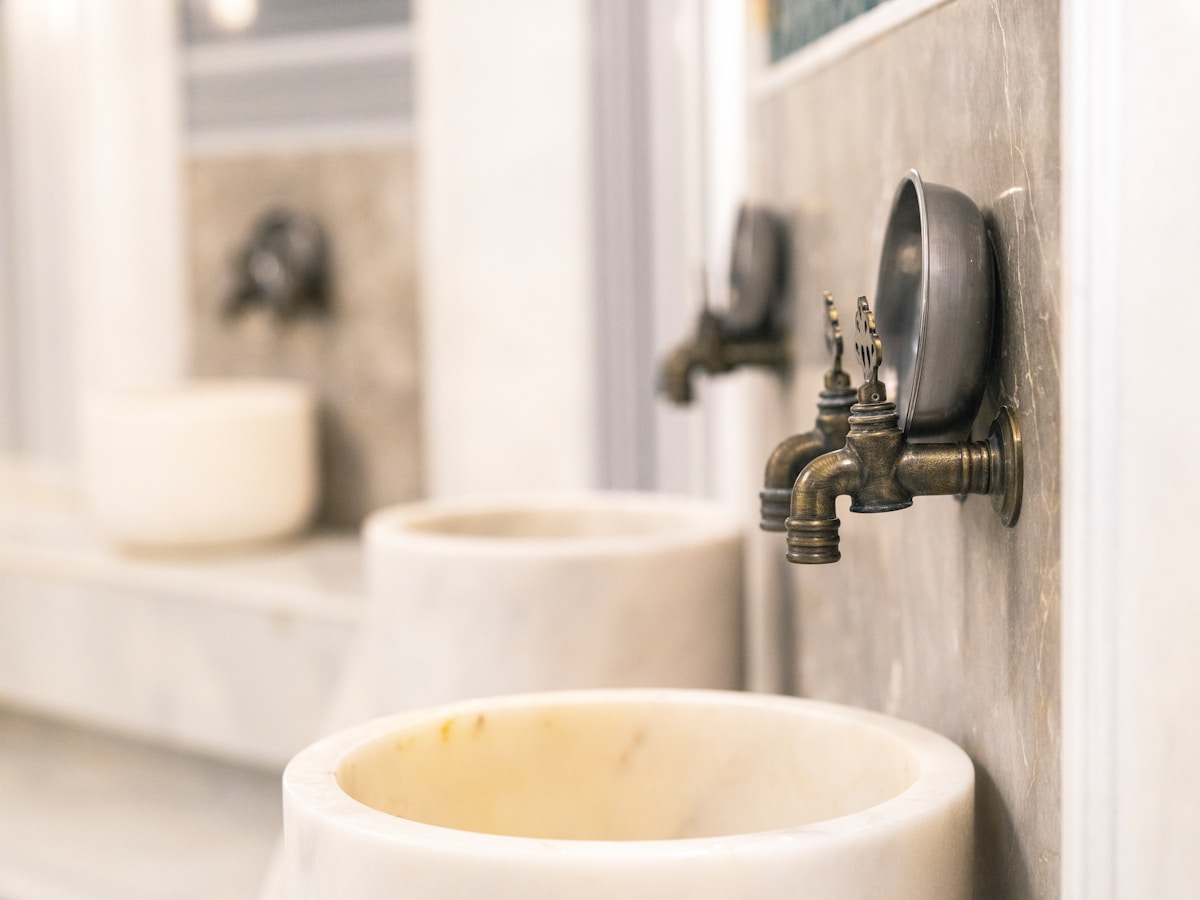
A Turkish hammam is one of the oldest public institutions in Anatolia, predating the Ottoman Empire and woven into daily social life for centuries. For visitors, it’s also one of the most accessible cultural experiences in Turkey — you don’t need to plan far ahead, the process is straightforward once you know what to expect, and the result is worth it.
A Brief History
The hammam tradition arrived in Anatolia with the Romans (the term thermae gave way to the Arabic hammam) and was refined under the Seljuks and Ottomans into a distinct architectural and social institution. By the 16th century, Istanbul alone had more than 150 public baths. Many of the hammams still operating today date from this period, with their signature features intact: a domed roof with star-shaped skylights (göz), a heated marble platform at the centre called the göbektaşı (navel stone), and separate sections — or separate visiting hours — for men and women.
What to Expect: Step by Step
Arrival. At the entrance you’ll be assigned a private changing cubicle (halvet or soyunmalık). Leave your clothes and belongings here — your valuables can usually be locked. You’ll receive a peştemal (thin cotton wrap) and a pair of wooden clogs or flip-flops.
The warm room (sıcaklık). You enter the main marble hall and lie on the central heated stone — the göbektaşı. The heat here typically runs between 40–50°C. Lie still and let yourself sweat for 10–15 minutes. The domed ceiling, marble surfaces, and warm steam are the full sensory experience of the hammam.
The kese scrub. An attendant (tellak for men, natır for women) will use a coarse exfoliating mitt called a kese to scrub away dead skin cells. This is thorough — expect to see what comes off. It’s not painful, but there is real pressure. If it’s too firm, say so.
The foam massage. Using a large cloth bag (peştamal köpük torbası) filled with soap, the attendant works a dense lather across your body and gives a full massage. This is the centrepiece of the hammam experience.
Cool rinse and rest. After the treatments you return to the cooling room (soğukluk), rinse with cooler water, and rest. Most hammams provide tea. Take your time — rushing out immediately defeats the purpose.
Etiquette
Peştemal stays on. You wear the cotton wrap at all times in the main hall. Removing it entirely is not expected or appropriate.
Tipping. Tipping the attendant is standard and expected. Approximately 10–20% of the treatment cost is the norm. Have cash in small denominations before you go in.
Photography. Do not photograph other guests under any circumstances. Many hammams prohibit photography entirely; ask staff before raising a camera anywhere inside.
Phones. Leave yours in your cubicle. The marble heat is hard on electronics and other guests are there to relax.
Noise. Hammams are social spaces, but the main bathing hall is quiet. Conversation happens in the changing rooms and rest areas.
Costs as of 2026
Prices vary considerably between neighbourhood hammams and the famous historic baths:
- Neighbourhood hammam (entry + kese scrub): approximately ₺200–400
- Historic hammam (full treatment: kese, foam massage, rest): approximately ₺800–1,500
- Oil massage add-on: approximately ₺300–600 extra
- Facial or hair wash: approximately ₺200–400 extra
Tourist-facing historic hammams are significantly more expensive than local neighbourhood hammams — but the architecture and experience are categorically different. For a first visit, the historic baths are worth it.
The Best Hammams to Visit
Istanbul
Çemberlitaş Hamamı — Built in 1584 by the architect Mimar Sinan, commissioned by Nurbanu Sultan. Located steps from the Grand Bazaar and the Column of Constantine, this is one of the most architecturally significant hammams in the world. The original domes and marble göbektaşı remain intact. Full treatment packages run approximately ₺1,200–1,500 as of 2026. Book via their website in peak season; walk-in is possible in shoulder months.
Cağaloğlu Hamamı — Opened in 1741, this is among the last major Ottoman hammams built in Istanbul before the empire began to decline. Located between the Grand Bazaar and Sultanahmet, it was famously frequented by international visitors throughout the 20th century. The architecture is especially impressive in the men’s section. Full treatments cost approximately ₺1,000–1,400. Advance booking is advised from June through August.
Galatasaray Hamamı — In the Beyoğlu district, a five-minute walk from İstiklal Avenue, this 15th-century hammam is less tourist-facing than Çemberlitaş and Cağaloğlu, which means shorter waits and a slightly more local atmosphere. Full treatment approximately ₺800–1,200 as of 2026.
Kilic Ali Pasa Hamami — Restored to a high standard and reopened in recent years, this Sinan-designed hammam in Tophane (near Karaköy) is considered by many to be the most architecturally refined in Istanbul. Prices sit at the upper end — full treatments approximately ₺1,400–1,800. Worth booking well ahead.
Bursa
Eski Kaplıca (Old Thermal Baths) — Bursa was the first Ottoman capital and has thermal spring baths dating back to Roman times. Eski Kaplıca (also called Kükürtlü Hamamı in some listings) sits in the Çekirge neighbourhood and uses natural geothermal water. The thermal experience here is distinct from a standard hammam — the mineral-rich water is the draw. Entry approximately ₺150–300 as of 2026.
Yeni Kaplıca — Rebuilt under Süleyman the Magnificent in the 16th century, also in Çekirge. The thermal pool section is the highlight. Entry approximately ₺200–350.
Ankara
Şengül Hamamı — One of the oldest functioning hammams in the capital, located in the Ulus district near the citadel. Used primarily by locals, which makes the experience more authentic than the tourist-oriented Istanbul baths. Entry with basic scrub approximately ₺200–350 as of 2026.
Tips for First-Timers
Arrive hydrated. The heat causes significant sweating. Drink water before you go in — the hammam is not the place to recover from dehydration.
Avoid alcohol beforehand. The combination of heat and alcohol increases dizziness risk. Wait until after.
Bring flip-flops. Many hammams provide wooden clogs but not always well-fitting ones. Your own rubber flip-flops are more reliable.
Go on a weekday morning. The historic Istanbul hammams are busiest on weekend afternoons in summer. Weekday mornings are quieter and the experience is more relaxed.
Budget extra time. The post-treatment rest period is part of the hammam tradition, not an afterthought. Allow at least 90 minutes door to door, more if you’re adding massage treatments.
Neighbourhood vs historic. If budget is a concern, a local neighbourhood hammam delivers the essential experience at a fraction of the cost. Look for ones near residential areas in Fatih, Eyüp, or Kadıköy in Istanbul — staff there work for regular paying customers, not tourists, which sometimes means a harder scrub and less ceremony, but the hammam itself is real.
If you want to combine a hammam visit with a guided experience, see our Turkish bath and hammam activity guide for organised options in Istanbul, Cappadocia, and Antalya.
For your trip: Browse tours and experiences in Turkey — food tours, cooking classes, and hammam experiences are bookable in advance with free cancellation. An eSIM for Turkey keeps you connected for navigating local neighbourhoods.
See also: Tipping and etiquette in Turkey · Istanbul things to do · Antalya travel guide · Cappadocia travel guide
Book an experience
Top tours to book now
Already planning? These are the most popular experiences for this destination.
Frequently Asked Questions
- What should I wear inside a Turkish hammam?
- You'll be given a peştemal — a thin cotton wrap — to wear throughout. Men typically keep it wrapped around the waist; women may also use it to cover the chest. You can keep your underwear on if you prefer. Staff at reputable historic hammams are used to international visitors and will guide you.
- Is a Turkish hammam appropriate for solo women travellers?
- Yes. All historic hammams have separate sections or time slots for men and women. Staff in the women's section are always female. Solo women travellers frequently visit hammams across Turkey without issue.
- How much does a Turkish hammam cost in Istanbul?
- Entry with a basic scrub and foam massage starts at approximately ₺200–400 as of 2026 at neighbourhood hammams. Historic hammams like Çemberlitaş charge approximately ₺800–1,500 for the full treatment including kese scrub, foam massage, and optional oil massage. Budget accordingly.
- Do I need to book a hammam in advance?
- For major historic hammams in Istanbul (Çemberlitaş, Cağaloğlu) during peak season — May through September — booking ahead via their websites is strongly advised. Neighbourhood hammams and those in Ankara or Bursa rarely require advance booking.
- How long does a hammam session last?
- Allow 60–90 minutes for a full traditional hammam visit: time in the warm room to sweat, the kese scrub and foam massage, a cool rinse, and rest time. Some packages run longer if you add an oil massage or facial.