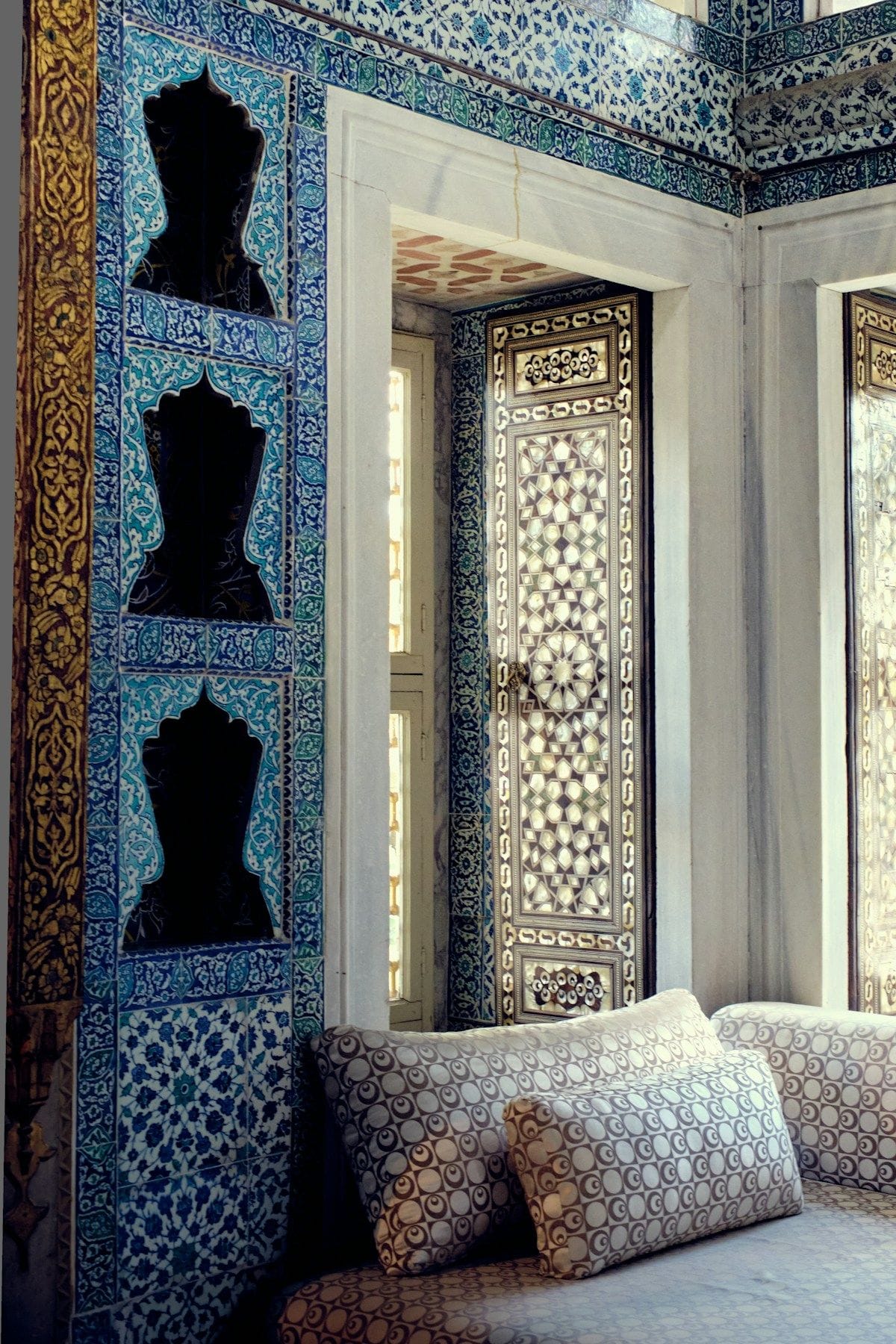
The Turkish bath - hamam in Turkish - is one of the country’s most enduring cultural institutions, with roots stretching back to Roman bathing culture absorbed and refined during the Byzantine and Ottoman periods. At their height in the 16th and 17th centuries, Istanbul alone had over 150 grand hamams serving a city where domestic bathing facilities were rare. Today, dozens of historic hamams remain operational, alongside thousands of neighbourhood baths across Turkey’s towns and cities.
A hamam visit is neither a spa treatment nor a tourist gimmick - at its core it remains a practical bathing ritual, though the best historic Istanbul hamams have evolved into full cultural experiences worth seeking out on their own merits.
The Hamam Experience: What Happens Inside
The ritual follows a sequence that varies only slightly between hamams. Understanding the stages removes the uncertainty that puts many first-time visitors off.
Arrival and changing: You enter through a small entry room called the camekân - a vaulted changing hall with private cubicles or curtained alcoves. A locker is assigned, and you’re handed a pestemal (the traditional cotton wrap), towels, and sandals (nalın, wooden clogs designed for wet floors). Leave everything in the locker. Valuables, watches, and anything you can’t afford to lose should not come in.
The soğukluk (cooling room): A transitional space between the entrance and the hot room. Some hamams use this area for the initial warm-up; others bring you directly to the hararet.
The hararet (hot room): The main domed chamber, heated by hot air circulated through channels under the marble floors. Temperatures typically range from 40–50°C. In the centre is the göbek taşı - the “navel stone,” a large raised marble platform where you lie down to sweat and relax before the scrub. The marble itself is heated from below. Spend 15–20 minutes here before your attendant arrives.
The kese (scrub): Your tellak (male attendant) or natır (female attendant) uses a kese - a slightly abrasive mitt made of woven fibre - to scrub dead skin from the entire body. The results are immediate and visible; the amount of skin that comes off during a first kese is often startling. The scrub takes 10–15 minutes and is vigorous but not painful if you communicate your preference.
Foam massage (optional): Following the kese, many packages include a full-body lather using a pillowcase-like bag inflated with soap foam. The attendant works the foam over your body with a rhythmic massage. This is the most relaxing phase and typically lasts 15–20 minutes.
Cool-down: After washing off, you move to the soğukluk to cool gradually. Most hamams serve tea, ayran, or water at this stage. Take time here - leaving immediately into cold outdoor air after a hamam session is uncomfortable and inadvisable.
Historic Hamams in Istanbul Worth Visiting
Çemberlitaş Hamamı
Built in 1584 by Ottoman architect Sinan on the commission of Nurbanu Sultan (wife of Sultan Selim II), Çemberlitaş sits in the Grand Bazaar district near the Çemberlitaş tram stop. The original 16th-century domed hararet - one of the oldest in continuous operation in Istanbul - remains structurally intact. The building has separate male and female sections, each with its own domed bath hall.
Packages start from approximately ₺1,200 for kese and foam; full packages including oil massage run to approximately ₺2,500 as of 2026. Çemberlitaş is tourist-oriented and English-speaking staff are present throughout. Open daily from 6am to midnight.
Kılıç Ali Paşa Hamamı
Designed by Mimar Sinan and completed in 1580, this hamam near Tophane (Karaköy area) was restored and reopened in 2012 after a long closure. The restoration is exceptional - the original domed architecture is preserved in full, and the experience is arguably the most architecturally impressive hamam currently operating in Istanbul.
Kılıç Ali Paşa is higher-priced than most: packages from approximately ₺2,000–3,500 as of 2026. Advance booking is required - the hamam runs on a reservation system with limited time slots. The separate male and female sections both feature the original Sinan architecture. Book via their website at least a day in advance during peak season.
Süleymaniye Hamamı
Located near the Süleymaniye Mosque complex, this hamam was built in 1557 as part of the mosque’s külliye (complex of charitable buildings). It has separate male and female sections and is less heavily marketed than Çemberlitaş. Packages start from approximately ₺900 for a basic kese as of 2026.
Ayasofya Hürrem Sultan Hamamı
Built by Sinan in 1556 for Roxelana (Hürrem Sultan, wife of Suleiman the Magnificent) and positioned between Hagia Sophia and the Blue Mosque, this is the most architecturally significant hamam in Istanbul and one of the priciest. Packages start from approximately ₺2,500 and the building’s two mirrored domed halls are exceptional. Worth visiting for the architecture alone.
Cağaloğlu Hamamı
Opened in 1741, this is among the last major Ottoman hamams built in Istanbul before the empire began to decline. Located between the Grand Bazaar and Sultanahmet, it was famously frequented by international visitors throughout the 20th century. The architecture is especially impressive in the men’s section. Full treatments cost approximately ₺1,000–1,400 as of 2026. Advance booking is advised from June through August.
Galatasaray Hamamı
In the Beyoğlu district, a five-minute walk from İstiklal Avenue, this 15th-century hamam is less tourist-facing than Çemberlitaş and Cağaloğlu - shorter waits and a slightly more local atmosphere. Full treatment approximately ₺800–1,200 as of 2026.
Neighbourhood Hamams: The Local Alternative
Historic tourist hamams are architecturally impressive, but neighbourhood hamams (mahalle hamamı) offer a more authentic glimpse of bathing culture as it actually functions in Turkish daily life. In most Turkish cities, a neighbourhood hamam charges approximately ₺200–500 for a complete service.
In Istanbul, Kadıköy’s Çinaraltı Hamamı and Beyoğlu’s neighbourhood baths around Tarlabaşı see primarily local clientele. Staff may not speak English, which is part of the experience. Prices are a fraction of the tourist-oriented alternatives.
Regional Hamam Culture
Bursa: The city has some of Turkey’s oldest surviving hamams, with the thermal spring district of Çekirge providing mineral-rich water - a distinct experience from Istanbul’s standard heated-water hamams. Eski Kaplıca (also listed as Kükürtlü Hamamı) uses natural geothermal water and dates to Roman origins; entry approximately ₺150–300 as of 2026. Yeni Kaplıca, rebuilt under Süleyman the Magnificent in the 16th century, has a notable thermal pool section; entry approximately ₺200–350.
Ankara: Şengül Hamamı in the Ulus district near the citadel is one of the oldest functioning hamams in the capital. Used primarily by locals, which makes the experience more authentic than the tourist-oriented Istanbul baths. Entry with basic scrub approximately ₺200–350 as of 2026.
Anatolian towns: Smaller cities like Konya, Sivas, and Kastamonu have historical hamams that still primarily serve local residents. These are among the most authentic experiences available - basic facilities, low prices, and the etiquette governed entirely by local custom rather than tourist expectations.
Coastal resorts: Hamams in resort areas (Antalya, Bodrum, Marmaris) tend to be hotel-based or newly built tourist facilities rather than historic buildings. They offer the experience but not the architecture.
Etiquette and Tips
Tipping: A tip for your attendant is expected and appreciated. Approximately ₺150–300 on top of the package price is reasonable; higher for a longer or more thorough service.
Mixed-gender: Most historic hamams have completely separate male and female sections. A few newer establishments offer mixed-gender experiences (typically with swimwear required) - these are the exception, not the rule.
Photography: Not permitted inside the hararet or changing rooms. Some hamams allow photography in the entrance hall only.
Going at the right time: Avoid Friday midday and weekends if you want a quieter experience - these are peak times when locals attend. Weekday mornings are the quietest at most hamams.
The best historic hamams are in Istanbul - see our Istanbul guide for where they sit in relation to the main sights.
Book a hamam experience in Istanbul
Five of the most-booked Turkish bath options — from neighbourhood baths to historic 16th-century hamams with private options:
| Tour | Duration | From | Best for |
|---|---|---|---|
| Traditional Turkish Bath Experience | 1.5 hrs | €20 | First-timers |
| Acemoglu Historical Turkish Bath (15th-century) | 1.5 hrs | €30 | Historic settings |
| Historic Sifa Turkish Bath in Sultanahmet | 2 hrs | €35 | Sultanahmet visitors |
| Private Turkish Bath, Massage & Spa in Old City | 2 hrs | €45 | Couples |
| Hammam & Spa Private Turkish Bath Experience | 2.5 hrs | €55 | Full spa day |
Booking in advance: Browse tours and activities in Istanbul to compare operators and read recent reviews - booking ahead is strongly recommended in peak season (July–August) as slots fill quickly.
For same-day bookings and last-minute availability, see our last-minute tours page - handy if your schedule changes after arrival.
See also: Istanbul things to do · Tipping and etiquette in Turkey · Istanbul travel guide · Cooking class in Istanbul