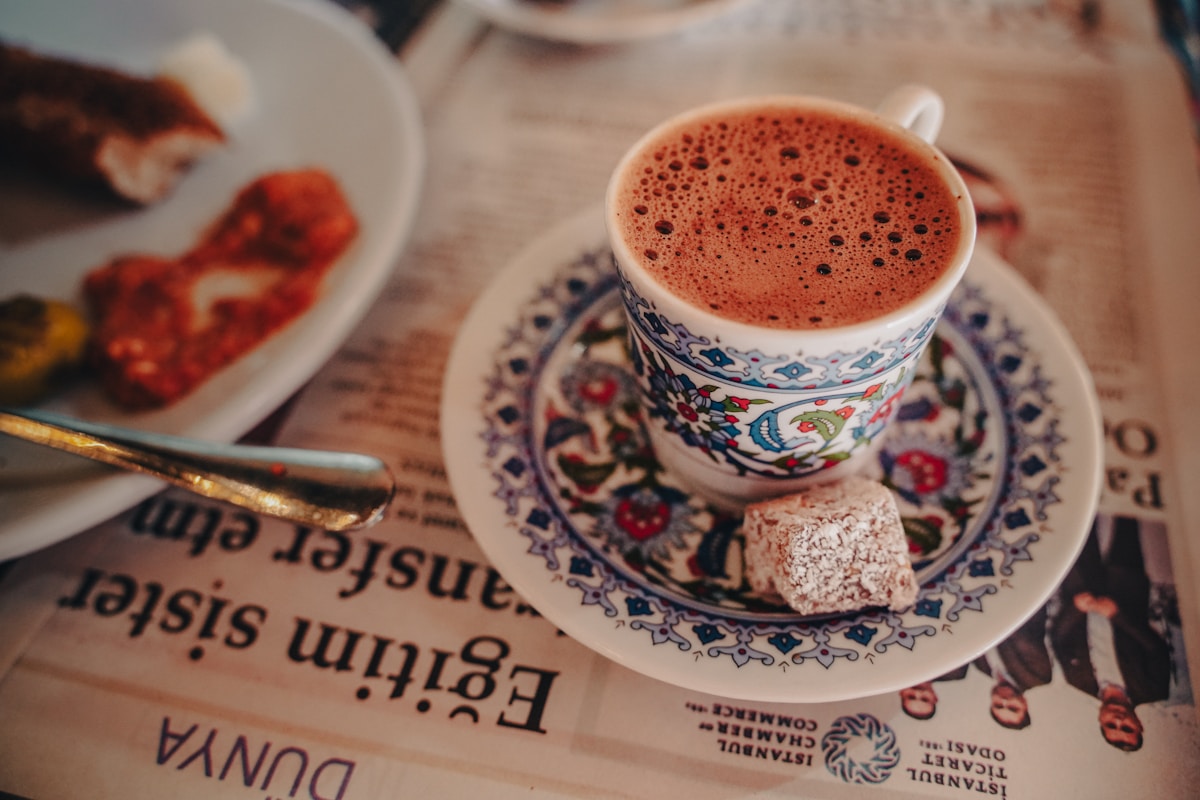
Turkey sits at the crossroads of Islamic tradition, Ottoman court culture, Mediterranean hospitality norms, and modern European sensibility. The result is a set of social conventions that are generally relaxed and forgiving of genuine ignorance, but where some specific behaviours matter significantly. Understanding what to tip, how mosques work, and what not to do in a hammam saves awkward moments and ensures better service.
Tipping in Turkey
Restaurants
Tipping is expected in sit-down restaurants, particularly those catering to tourists. 10% of the bill is the standard norm for adequate service; 15% for notably good service. Tipping is not expected at fast-food counters, simple lokanta (workers’ canteen restaurants), or döner stalls.
How to tip: Cash lira handed to your server directly is preferred over adding a tip to a card payment. Some restaurants add a 10% servis ücreti (service charge) automatically - check your bill before adding more. If the charge is already on the bill, no additional tip is needed, though rounding up is always welcome.
In high-end Istanbul restaurants (tasting menus, ₺500+ per person), 10–15% remains appropriate. Staff in these establishments are salaried at higher rates than tourist-area servers, so the 10% norm still applies rather than a higher amount.
Taxis
Turkish taxi drivers do not formally expect tips. The standard practice is to round up the fare - if the meter reads ₺187, pay ₺200 and wave off the change. Rounding up by ₺10–30 is appreciated; anything beyond that is unusual.
Taxi scams to know about: Ensure the meter is running from the moment you set off. If a driver asks for a flat rate rather than using the meter, negotiate or take a different cab. In Istanbul, the meter should start at the gece (night, after midnight) rate for late-night rides - this is legitimate, not a scam. Carrying small denomination lira helps avoid arguments about change.
For ride-hailing apps (BiTaksi, InDriver, Uber operating in some cities): tips are not expected when paying via app.
Hammams
The hammam tip system differs significantly from restaurant tipping. A tip of 20–30% on top of the service cost is standard and important - hammam attendants (telak for men, natır for women) are paid lower base wages than restaurant staff and earn a larger portion of their income from tips.
In a traditional hammam, the service sequence is: hararet (hot room steam), kese (exfoliation), and optional köpük masajı (foam massage). Tip after the session, handing cash directly to your attendant. If you received multiple services from different attendants, tip each separately.
Budget: At a quality historic hammam (Çemberlitaş, Çağaloğlu, Süleymaniye Hamamı in Istanbul), the service price runs ₺400–700 per person. Add 20–25% tip - so budget ₺500–900 total per person.
At tourist-facing hammams near Sultanahmet, posted prices often exclude the tip expectation - read the pricing structure carefully. “All-inclusive” packages at some hammams do include tip; ask specifically.
Hotels
Tipping hotel staff is optional but appreciated. Standard guidance:
- Bellhop carrying bags: ₺20–30 per bag
- Housekeeping: ₺50–100 left on the pillow at the end of your stay (not daily in Turkey, unlike US practice)
- Concierge for booking restaurants, tours, or transport: ₺50–100 depending on complexity
At resort hotels where staff earn higher wages, tipping is genuinely optional.
Tour Guides and Drivers
For private guided tours, ₺100–200 per day per person for an individual guide is appropriate. For group tours, ₺50–100 per person per day. Bus drivers on group tours typically receive ₺30–50 per person per day, separate from the guide tip.
Mosque Etiquette
Turkey’s mosques receive visitors throughout the day, but visiting during prayer times (five times daily, announced by the ezan/call to prayer) requires sensitivity. During salat (the prayer itself, lasting 10–15 minutes), non-Muslim visitors should either wait outside or move quietly to the rear perimeter without walking through the prayer area.
Before entering:
- Remove shoes (left in the provided racks or bags)
- Women: cover hair with a scarf, cover shoulders and arms, wear long trousers or a skirt
- Men: remove hats; shorts below the knee are generally acceptable at major tourist mosques but full trousers are preferred
- Both: switch phones to silent
Inside: Speak quietly. Do not take photos of people praying without permission. Photographing the architectural interior is permitted in most mosques, including during non-prayer times. Flash photography is inappropriate.
Major mosques with free entry: Hagia Sophia (now a mosque), Blue Mosque (Sultanahmet Camii), Süleymaniye Camii, Eyüp Sultan Camii. All welcome non-Muslim visitors outside prayer times.
Hammam Etiquette (Practical)
The traditional hammam process can be unfamiliar on a first visit.
What to bring: A small bag with a change of underwear. Everything else is provided. You can keep underwear on during washing if preferred - this is routine.
What happens: You are given a peştemal (thin cotton wrap) and led to a changing room (soyunma odası). Proceed to the hararet - the domed hot room with a central marble platform (göbek taşı). Lie on the marble for 15–20 minutes to open pores before your attendant begins the kese (scrub). The kese uses a rough kese mitt to remove dead skin - it looks dramatic but is not painful.
Photography in hammams: Not permitted.
Mixed vs. separate: Historic hammams typically have separate men’s and women’s sections with different days or different buildings. Check before booking - some tourist hammams advertise “couples” options with mixed sections that traditional hamams do not offer.
General Social Etiquette
Greetings: “Merhaba” (hello) is universal. “Günaydın” (good morning), “iyi akşamlar” (good evening). Handshakes are standard between men; close friends greet with a kiss on both cheeks. Wait for the other person to initiate the cheek-kiss with someone you have just met.
Shoes at home: Always remove shoes when entering a Turkish home. Some traditional restaurants and guesthouses also request this.
Left hand: In conservative and rural contexts, handing things directly with the left hand is considered impolite (a tradition across much of the Islamic world). Using both hands or the right hand when passing items to someone you have just met is more respectful.
Photography: Ask before photographing people, particularly in religious contexts or in traditionally conservative areas. Most Turks are happy to be photographed if asked.
Ramadan: During Ramadan (dates shift annually based on the Islamic calendar - check for current year), eating, drinking, or smoking visibly in public during daylight hours is considered disrespectful in conservative districts, though not illegal. Restaurants remain open for non-Muslim tourists. Iftar (sunset breaking of the fast) is a welcoming community event - being invited to share iftar is a genuine honour.
Bargaining: Appropriate in bazaars and carpet shops. Not appropriate in restaurants, modern retail, or pharmacies.
Dress outside mosques: Turkey’s major cities are generally relaxed about dress - shorts, sleeveless tops, and swimwear at the beach are entirely normal in coastal resorts and Istanbul tourist areas. In conservative cities (Konya, Gaziantep’s older districts, Mardin), modest dress (covering shoulders and knees) is respectful when exploring the old city areas, even if not legally required.
Useful Turkish Phrases for Social Situations
- “Teşekkür ederim” - Thank you (formal)
- “Çok güzel” - Very beautiful (useful appreciation phrase)
- “Ne kadar?” - How much?
- “Fatura lütfen” - The bill, please
- “Yavaş yavaş” - Slowly, slowly (useful when communication is challenging)
- “Afiyet olsun” - Bon appétit (said before or after a meal)
- “Kolay gelsin” - May it be easy / good luck with your work (said to service staff - genuinely appreciated)
For your trip: Browse tours and experiences in Turkey - food tours, cooking classes, and hammam experiences are bookable in advance with free cancellation. An eSIM for Turkey keeps you connected for navigating local neighbourhoods.
See also: Basic Turkish phrases for travellers · Turkish bath guide · Shopping guide for Turkey · First-time visitor guide
Plan Your Trip
✈️ Book your flights to Türkiye 🛡️ Get travel insurance 📱 Stay connected with an eSIM 🚗 Rent a car