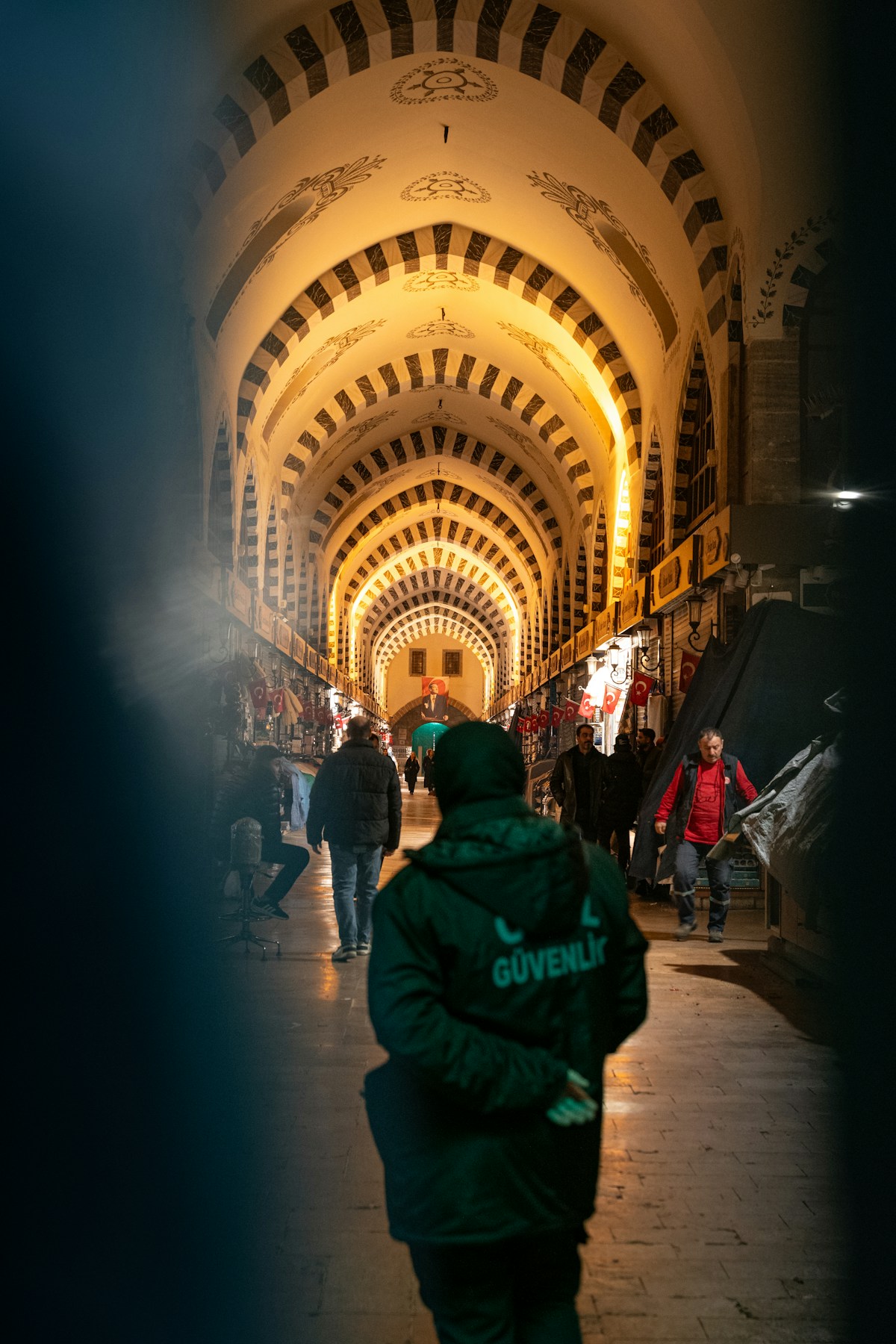
Turkey’s bazaar culture runs far deeper than tourist markets. The Grand Bazaar in Istanbul has operated continuously since 1461 - it pre-dates the current Ottoman mosque quarter by decades - and the Spice Bazaar (Mısır Çarşısı) has sold goods from the eastern trade routes since 1664. Understanding what to look for, what prices are reasonable, and how the purchasing ritual actually works makes the difference between a frustrating tourist experience and a genuinely good buy.
The Grand Bazaar (Kapalıçarşı)
The Grand Bazaar covers 30,700 square metres across 61 covered streets with over 4,000 shops. Its sheer scale means most visitors see only a fraction, circling the main tourist lanes near the entrance gates repeatedly.
Navigating the bazaar: The main tourist corridor runs east-west through the centre. The more interesting - and less expensive - sections are in the northern and eastern wings, where ordinary Istanbullus buy jewellery, household goods, and textiles. The Cevahir Bedesten (Old Bazaar), the original Byzantine market at the centre, sells antiques and is worth walking through even without intending to buy.
What to buy here: Leather goods, gold and silver jewellery (sold by weight with a craftsmanship markup), Turkish towels (peshtemals), and ceramics. Avoid purchasing carpets from the Grand Bazaar’s tourist-facing shops without doing significant research - prices are pitched at uninformed buyers.
Opening hours and entry: Open Monday to Saturday approximately 08:30–19:00. Entry is free. The main gates are Nuruosmaniye Gate (closest to Sultanahmet tram stop) and Beyazıt Gate (near the university). The bazaar is busiest 11:00–15:00; arrive early or in the late afternoon for less pressure.
The Spice Bazaar (Mısır Çarşısı)
Built in 1664 as part of the New Mosque complex in Eminönü, the Spice Bazaar is smaller and more navigable than the Grand Bazaar. Originally the revenues funded the mosque’s upkeep - you can still feel the institutional quality of the building compared to the sprawl of the Grand Bazaar.
What to buy: Sumac (tart red powder, excellent with grilled meat), pul biber (dried red pepper flakes, essential for Turkish cooking), wild thyme (kekik) from Aegean hillsides, various spice blends, dried figs, and lokum (Turkish delight). The bazaar also sells saffron - see the FAQ on spotting fakes.
Quality vs. price: Shops inside the arcade charge tourist premiums. The stalls immediately outside on the Eminönü side (especially towards the Galata Bridge end) sell the same products for 20–40% less. Buy lokum from the glass-fronted shops at the eastern end of the arcade rather than from sellers pressing free samples on you at the entrance.
What to Buy in Turkey
Turkish Ceramics
Kütahya (southwest of Ankara) produces the majority of Turkey’s hand-painted ceramics - the blue-and-white and polychrome floral patterns on tiles, bowls, and coffee cups. How to tell quality from tourist-grade work: look for asymmetry and slight irregularities that indicate hand-painting; uniform, perfectly repeated patterns indicate machine printing. A genuine hand-painted dinner plate runs ₺400–800; a full set ₺3,000–8,000.
In Istanbul, the Arasta Bazaar (small covered market behind the Blue Mosque) has honest dealers at higher-than-Kütahya prices but with quality guarantees. Avoid the bazaar shops selling hand-painted sets for ₺100–150.
Turkish Rugs and Kilims
Hand-knotted carpets require significant knowledge to buy well. The main production regions are Kayseri, Hereke (near Izmit), and Konya - each with distinct knot styles. Silk Hereke carpets can cost ₺10,000–100,000+ for a small piece; wool village rugs from Konya can be found from ₺1,500 in the right shops.
Kilims (flat-weave rugs without pile) are easier to authenticate and more affordable - tribal kilims from eastern Turkey run ₺800–3,000 for a medium piece. The Old Bazaar in Gaziantep and the Kapalıçarşı in Ankara tend to have better prices than Istanbul tourist corridors.
Leather Goods
Turkey produces substantial quantities of leather, and Istanbul has numerous quality leather workshops in Laleli and Mahmutpaşa. A well-made leather jacket runs ₺2,000–5,000 from a reputable İstanbul atelier. The Grand Bazaar leather shops often deal in lower-quality items at inflated tourist prices - examine stitching and lining quality closely.
Lokum (Turkish Delight)
The original lokum is a simple rose or mastic-flavoured gel - not the artificially coloured, nut-stuffed variety sold in airport gift shops. Hafız Mustafa (founded 1864, branches across Istanbul) and Haci Bekir (founded 1777, original shop in Eminönü) set the quality benchmark. A 500g box of good lokum runs ₺200–400.
Spices and Food Gifts
Beyond the Spice Bazaar, consider: Antep pistachios from Gaziantep (sold by the kilo, typically ₺250–400/kg for quality shelled nuts), Amasya dried apples, isot pepper (smoky, slow-dried dark red pepper from Şanlıurfa), and quality olive oil from Aegean producers (₺200–500 per litre for cold-press single-estate).
Gold and Silver Jewellery
Turkish jewellery is sold by gold weight (gram) plus işçilik (craftsmanship markup). The daily gold price is posted on screens in the Grand Bazaar - a legitimate seller will calculate your price against this base. 22-carat gold is common; 18-carat is marked as 750. Have any significant purchase tested or ask for a hallmark certificate.
How to Bargain
When bargaining applies: Carpets, leather, jewellery, ceramics in tourist-oriented shops, and accommodation at smaller hotels. When it does not: food stalls, spice shops with printed price lists, and modern retail shops.
The process: Accept the tea offer - it is genuine hospitality, not a manipulation tactic, and refusing is mildly rude. State your interest without showing excessive enthusiasm. When the seller quotes a price, respond with silence or a low counter (50–60% of asking is not offensive in carpet shops). The gap usually narrows over 10–20 minutes. If you cannot reach an acceptable price, a polite “teşekkür ederim” (thank you) and move to leave - this often produces a final better offer.
What not to do: Do not bargain aggressively for low-value items (₺50 soap, ₺30 fridge magnet). Do not start bargaining if you are not prepared to buy at a reasonable price. Do not accept the first price for a carpet or leather jacket.
Beyond Istanbul
Ankara’s Kızılay and Ulus: The Ankara Bazaar around Ulus has carpets and antiques at significantly lower prices than Istanbul. The Kızılay district has modern Turkish fashion retail - local brands like Koton, LC Waikiki, and DeFacto offer European-style clothing at Turkish prices (₺150–400 for quality basics).
Gaziantep: Turkey’s best food market city. The Zincirli Bedesten sells copper goods and regional crafts; the nut sellers in the covered bazaar stock some of Turkey’s finest Antep pistachios. Prices are well below Istanbul.
Safranbolu: Ottoman-era craft workshops sell lokum, saffron, and handmade copper items. The weekend market in the old town is a genuine local market, not a tourist imitation.
For the specific city shopping scenes: Istanbul (Grand Bazaar, Spice Bazaar, modern districts), Gaziantep (baklava, pistachio, copper), Ankara (antiques in Ulus), Safranbolu (Ottoman crafts). See our Istanbul food guide for food market guidance specifically.
Essential extras: An eSIM for Turkey from Airalo gives you mobile data from the moment you land - no airport SIM queue, no physical card. Travel insurance for Turkey should cover medical costs; Turkish private hospitals charge full rates for uninsured visitors.
See also: Tipping and bargaining etiquette · Turkish food guide · Istanbul things to do · Basic Turkish phrases
Plan Your Trip
✈️ Book your flights to Türkiye 🛡️ Get travel insurance 📱 Stay connected with an eSIM 🚗 Rent a car