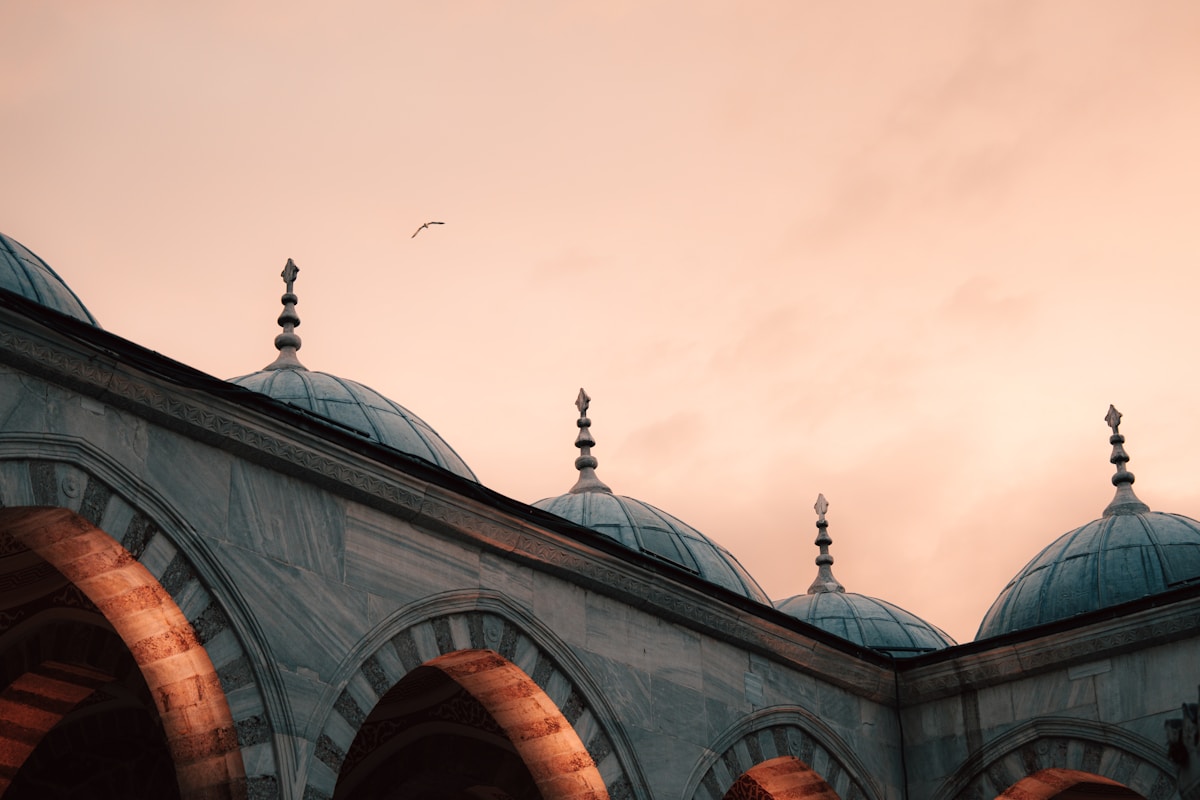
Turkey is one of the world’s great destinations - historically rich, geographically diverse, and consistently excellent for food. For first-time visitors, the scale can feel overwhelming. This guide focuses on the essentials.
Getting There
Turkey’s main international gateway is Istanbul Airport (IST), which serves hundreds of international destinations. Sabiha Gökçen Airport (SAW) on the Asian side of Istanbul is used by some budget carriers.
For Cappadocia, fly into either Kayseri Airport (ASR) or Ercan/Nevsehir Airport (NAV) - direct flights from Istanbul take about 1.5 hours.
Visas
Most Western passport holders require a Turkish e-Visa. This is straightforward: apply at evisa.gov.tr (the official site) at least 48 hours before travel. The fee is currently €55–75 depending on nationality and duration. Beware unofficial copycat sites that charge much more.
Some nationalities (many EU and Middle Eastern countries) can enter visa-free for up to 90 days. Check current requirements.
Getting Around
Domestic flights: Turkish Airlines and Pegasus connect major cities cheaply. Istanbul to Cappadocia by plane takes 1.5 hours versus 10+ hours by bus.
Buses: Turkey’s intercity bus network is excellent - comfortable seats, punctual schedules, and affordable fares. Kamil Koç, Pamukkale, and Metro Turizm are the main operators. The bus from Istanbul to Antalya (12 hours) is comfortable if you go overnight.
Istanbul’s public transport: The metro, tram, and ferry system covers most of the city efficiently. The Istanbulkart (top-up card) works across all modes.
Money
Turkish lira (TRY). Exchange rates have been volatile in recent years - check current rates before departure. ATMs are widespread; cards are widely accepted in hotels and restaurants but carry cash for bazaars and small businesses.
Credit cards are widely accepted in cities; haggling in the Grand Bazaar works better with cash.
Food
Turkish food is outstanding and diverse. Don’t limit yourself to kebabs (though the doner, adana, and iskender are all worth eating properly). Seek out: meze plates (dozens of cold dishes before a main), balık ekmek (fish sandwich by the Galata Bridge), fresh simit from street vendors, çay (tea) everywhere, and breakfast - Turkish breakfast (kahvaltı) with cheeses, olives, eggs, pastries and tomatoes is one of the best in the world. For a deeper breakdown of the cuisine, see our Turkish food guide. Travelling plant-based? Our vegan food in Turkey guide covers which cities have the best options and what to order.
Cultural Tips
- Remove shoes before entering mosques; women should cover heads and shoulders
- The call to prayer sounds five times daily - not intrusive but good to know
- Bargaining is expected in bazaars but not in shops with fixed prices
- Turkey is a secular state but a Muslim-majority country - alcohol is widely available in tourist areas and cities, but less so in more conservative regions
- Tipping: 10% in restaurants is appreciated but not obligatory
A few words of Turkish go a long way - see our basic Turkish phrases guide for greetings, ordering food, transport, and numbers.
Travelling solo? Our solo travel guide for Türkiye covers the best bases for independent travellers, how safety varies by region, and how to meet other travellers on the road. Women travelling alone should also read our dedicated solo female travel in Türkiye guide for city-by-city safety notes, dress codes, and transport tips. Travelling with children? Our Turkey with kids guide covers the best family-friendly destinations and practical tips for younger travellers.
Highlights for First-Timers
- Istanbul: Hagia Sophia, Topkapi Palace, the Grand Bazaar, Sultanahmet, the Bosphorus, Galata
- Cappadocia: Hot air balloon at sunrise, the fairy chimney valleys, underground cities (Derinkuyu, Kaymakli)
- Pamukkale: The white calcium terraces and Hierapolis ruins - one of Turkey’s most surreal landscapes
- Ephesus: The best-preserved ancient Roman city in the world, near Kusadasi on the Aegean coast
- Turkish Riviera: Bodrum, Göcek, Antalya - sailing, beaches, and old towns
Ready to plan your trip?
For day-by-day itineraries with specific hotel recommendations, transport costs, and booking links:
- 1 week in Turkey - Istanbul, Cappadocia, and Pamukkale
- 10 days in Turkey - adds the Aegean coast
- 2 weeks in Turkey - the most popular length; covers all the main regions
- 3 weeks in Turkey - unhurried full-country loop
- 3 days in Istanbul - for a dedicated city break
- Turkey on a budget - full itinerary with daily spend targets
- Turkish Riviera road trip - self-drive Antalya to Bodrum (rent a car in Turkey at the airport)
- Istanbul day trips - Edirne, Bursa, Princes’ Islands, and beyond
- Turkey honeymoon itinerary - 10-day route: Cappadocia cave hotels, Aegean coast, Bosphorus
Before you pack: our what to pack for Turkey guide covers seasonal clothing, mosque dress codes, and beach gear. For health prep, see our Turkey vaccinations and health guide.
Essential extras: An eSIM for Turkey from Airalo gives you mobile data from the moment you land - no airport SIM queue, no physical card. Travel insurance for Turkey should cover medical costs; Turkish private hospitals charge full rates for uninsured visitors.
Plan Your Trip
✈️ Book your flights to Türkiye 🛡️ Get travel insurance 📱 Stay connected with an eSIM 🚗 Rent a car