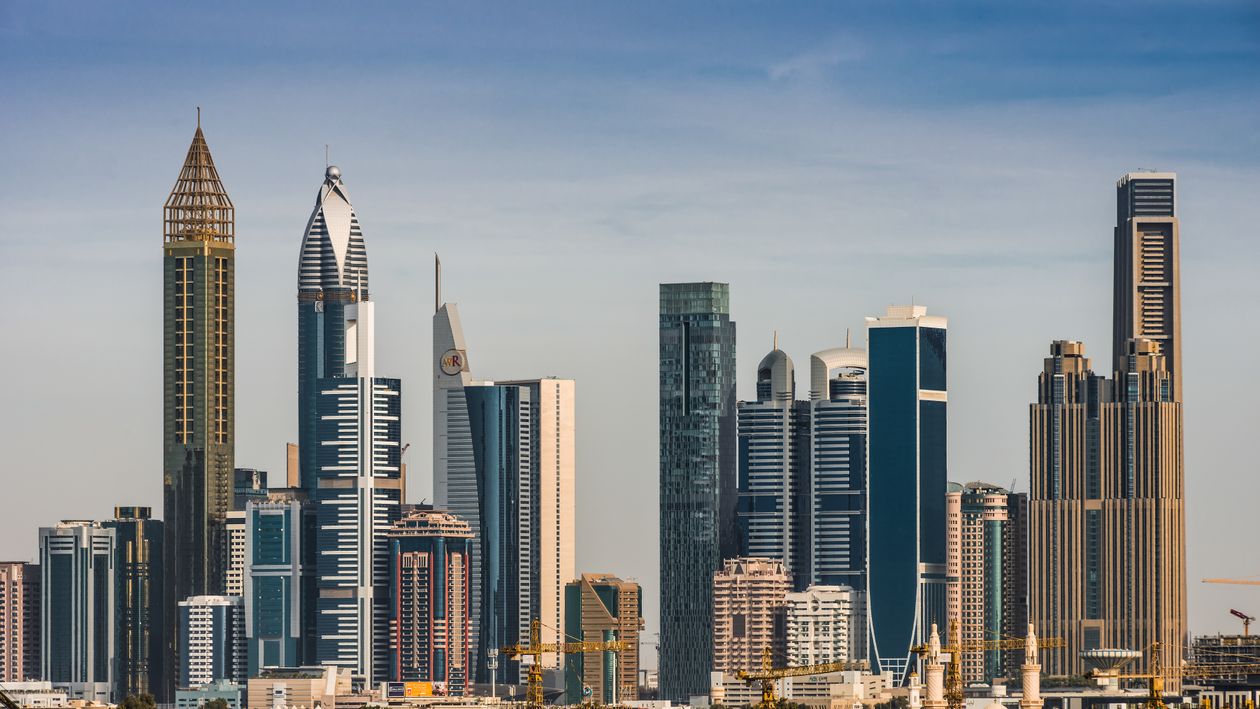
Istanbul and Dubai both attract millions of visitors a year, but they offer almost opposite experiences. Istanbul is a city built over 2,500 years - mosques, bazaars, Byzantine mosaics, ferries across the Bosphorus, and a food culture that has evolved across empires. Dubai is a city built in decades - purpose-built luxury, record-breaking architecture, engineered beaches, and malls the size of small towns. Choosing between them depends almost entirely on what kind of holiday you want.
Quick Verdict
| Category | Istanbul | Dubai |
|---|---|---|
| History & Culture | Outstanding | Limited |
| Luxury Hotels | Good | World-class |
| Food Scene | World-class (authentic) | Excellent (imported diversity) |
| Beaches | Limited | Excellent (man-made) |
| Nightlife | Vibrant, artistic | Glitzy, restricted |
| Shopping | Grand Bazaar + boutiques | Mega-malls |
| Family Travel | Good | Outstanding |
| Solo Travel | Excellent | Good |
| Cost | Low–moderate | High |
| Weather Window | Apr–May, Sep–Oct | Nov–Apr |
| Best For | Culture, food, authenticity | Luxury, beaches, family breaks |
History and Culture
This is not a close comparison. Istanbul carries the accumulated weight of three successive empires - Greek, Byzantine, and Ottoman - compressed into a walkable historic peninsula. Hagia Sophia (built 537 AD, entry free with modest dress) is one of the most extraordinary buildings on earth: its dome spans 31 metres and it served simultaneously as the definitive Christian cathedral and the model for every Ottoman imperial mosque that followed. Topkapı Palace (entry approximately ₺1,000 as of 2026) was the seat of power for the Ottoman Empire at its height. The Grand Bazaar has traded continuously since 1461. The Istanbul city hub alone holds enough layered history to fill two weeks.
Dubai is culturally thin by comparison. The emirate existed as a small fishing and pearl-diving settlement until the 1960s oil era transformed it; the modern city is largely the product of the last 40 years. Al Fahidi Historical Neighbourhood (Al Bastakiya) preserves a small cluster of traditional wind-tower houses and gives a genuine glimpse of pre-oil Dubai - it is worth a half-day and is free to walk. The Dubai Museum (entry approximately 3 AED, roughly £0.65) is modest. The Spice Souk and Gold Souk in Deira are atmospheric but compact. Dubai’s cultural offering tops out relatively quickly.
Verdict: Istanbul wins decisively for anyone for whom history and civilisation matter. Dubai offers almost nothing in this category.
Food
Istanbul is one of the world’s great eating cities. The Istanbul food guide covers every price point: ₺8–15 simit on the street; ₺80–200 at a neighbourhood kebab restaurant; ₺300–600 per head at a meyhane (tavern restaurant) with meze, raki, and live music; ₺800–1,500 at a Bosphorus fish restaurant. The city’s location - straddling Europe and Asia - gives it a food culture that is genuinely its own, built over centuries rather than assembled from imported restaurants.
Dubai offers extraordinary variety assembled from across the world: the city has strong Lebanese, Persian, Indian, and Pakistani communities, and their restaurants are authentic and excellent. Deira’s budget restaurant strips deliver some of the best-value South Asian food outside the subcontinent. At the top end, Dubai has more Michelin-level restaurants than Istanbul. However, much of it is imported rather than locally evolved - the Emirati food tradition is relatively limited, and what passes for local cuisine in tourist areas tends towards the generic.
Verdict: Istanbul wins for authenticity and value. Dubai wins for imported variety at the very top end.
Cost Comparison
This is where Istanbul’s case becomes overwhelming for budget-conscious travellers.
| Expense | Istanbul (approx.) | Dubai (approx.) |
|---|---|---|
| Budget hotel | ₺900–2,000/night (~€27–60) | AED 250–500/night (~€62–125) |
| Midrange hotel | ₺3,000–6,000/night (~€90–180) | AED 700–1,400/night (~€175–350) |
| Luxury hotel | ₺8,000–18,000/night (~€240–540) | AED 2,000–6,000/night (~€500–1,500) |
| Restaurant meal (midrange) | ₺150–400/person (~€4–12) | AED 80–200/person (~€20–50) |
| Museum entry | ₺300–1,000 (~€9–30) | AED 3–150 (~€0.75–37) |
| Airport transfer | ₺800–1,500 | AED 80–120 (~€20–30) |
| Beer / glass of wine | ₺150–400 (~€4–12) | AED 60–120 (~€15–30) or not available |
Exchange rates approximate as of 2026. See our Turkey travel costs guide.
Istanbul is significantly cheaper than Dubai across almost every category at current exchange rates. Turkey’s weak lira means a midrange Istanbul hotel costs roughly a third of a comparable Dubai room. Alcohol in Istanbul is available but taxed - Dubai is theoretically dry (alcohol served only in licensed hotel venues), which inflates going-out costs. A proper evening out in Dubai with drinks can easily run AED 400–600 per person (€100–150). The same evening in Istanbul’s Beyoğlu neighbourhood runs ₺500–1,000 (€15–30).
Dubai flight costs are also typically higher from most European origins, though both cities are well-served by Emirates, Turkish Airlines, and budget carriers. Most Western nationalities enter Turkey visa-free for up to 90 days; the UAE issues visas on arrival or free e-Visas for most of them, so entry costs are low in both.
🏨 Search hotels in Istanbul on Booking.com
Best Time to Visit
| Season | Istanbul | Dubai |
|---|---|---|
| Jan–Feb | Cold (4–10°C), quiet | Warm (20–26°C), ideal |
| Mar–Apr | Warming (12–20°C), excellent | Hot (27–35°C), still comfortable |
| May–Jun | Warm (20–28°C), excellent | Very hot (38–43°C), avoid |
| Jul–Aug | Hot (26–33°C), busy | Extremely hot (42–46°C), intolerable outside |
| Sep–Oct | Warm (18–26°C), best season | Hot (34–41°C), tolerable later in Oct |
| Nov–Dec | Cool (8–15°C), quieter | Warm (22–30°C), ideal |
The two cities have almost opposite ideal windows. Istanbul is best from April to June and September to October - warm but not oppressive, with long daylight hours and the city at its most lively. Dubai is best from November to March, when temperatures are manageable (22–30°C) and outdoor life is comfortable. Summer in Dubai is genuinely dangerous outdoors during daytime; everything moves between air-conditioned environments.
If you can travel any time of year, this is a significant factor: Dubai’s November–March window competes with Istanbul’s shoulder seasons (spring and autumn are both excellent). See our best time to visit Turkey guide for month-by-month detail on Istanbul.
Beaches
Dubai wins here without contest. Jumeirah Beach, Kite Beach, and JBR Beach are wide, clean, well-serviced, and swim-quality year-round from October to May. The Palm Jumeirah’s private hotel beaches are outstanding. Water parks (Atlantis Aquaventure, Wild Wadi) are world-class for families.
Istanbul has very limited beach access. The Princes’ Islands offer summer swimming (reachable by ferry), and there are Bosphorus-side spots at Bebek and Sarıyer, but Istanbul is emphatically not a beach destination. If sun and sea are primary goals, Dubai or the Turkish Riviera (Antalya, Bodrum, Fethiye) are far better choices. See our best beaches in Turkey guide if you want Turkey plus coastline.
Nightlife
Istanbul has one of the best nightlife scenes in the Middle East and Europe. Beyoğlu runs from sunset until 4am with meyhane restaurants, rooftop bars, jazz clubs, and electronic music venues. Karaköy has upscale cocktail bars. Summer Bosphorus clubs (Babylon, Suma Beach) draw large crowds; cover charges run approximately ₺300–700. It is diverse, accessible, and genuinely inexpensive compared to Western European capitals.
Dubai nightlife exists but under constraints. Alcohol is served only in licensed venues (hotel bars, some clubs), and prices reflect the scarcity. There is a genuine club scene - Soho Garden, White Dubai - and rooftop bars in hotel towers with spectacular views. But the atmosphere can feel transactional. Visiting during Ramadan adds further restrictions. For anyone prioritising late-night culture, Istanbul is clearly superior.
Shopping
Both cities offer distinct shopping experiences.
Istanbul has the Grand Bazaar (4,000+ shops, carpet, jewellery, spice, leather), the Egyptian Spice Bazaar, and neighbourhood markets in Balat, Beşiktaş, and Kadiköy. Prices require negotiation; the quality of artisan goods - kilims, hand-painted ceramics, Turkish delight, fresh spice blends - is genuinely high. High-street shopping exists in Nişantaşı and Istiklal Caddesi for those who want it. You leave Istanbul with things that are actually from Istanbul.
Dubai is defined by its mega-malls: Dubai Mall (1,200+ stores, an indoor ice rink, an aquarium), Mall of the Emirates (indoor ski slope), and Ibn Battuta Mall. You can buy every global brand. The Gold Souk in Deira offers genuine value for gold and jewellery. The souvenir scene, however, tends towards generic Gulf-region products.
Verdict: Istanbul for authentic purchases; Dubai for branded retail and gold.
Family Travel
Dubai is one of the most family-friendly long-haul destinations in the world. Infrastructure is purpose-built for it: theme parks (IMG Worlds of Adventure, Legoland, Motiongate), beaches with lifeguards, malls with enormous play areas, an easy metro system, English universally spoken, strict public safety, and minimal pedestrian risk. Logistics with children are straightforward. Hotels tend to have excellent kids’ clubs and pools.
Istanbul can be done with children, but it requires more effort. The city’s hilly terrain, cobblestoned streets, and busy traffic make pushchairs genuinely difficult. The Princes’ Islands (no cars, horse carriages) and Miniaturk (scale models of Turkish monuments) work well for children. Families who plan around ferries, open-air sites, and neighbourhood exploration tend to have good experiences. But Istanbul was not designed with young children in mind. Dubai was.
Solo Travel
Istanbul is excellent for solo travellers - safe, navigable by public transport, cheap enough to sustain extended stays, and rich with the kind of street life, café culture, and encounter opportunities that reward independent exploration. Neighbourhood walking in Balat, Kadiköy, and Cihangir is some of the most rewarding solo city experience available in this part of the world.
Dubai is clean and very safe for solo travellers. The metro is simple and efficient. However, the city’s layout - car-dependent, spread across a vast area of motorway and mall - makes spontaneous exploration difficult. Public spaces other than beaches and malls are limited. Dubai rewards the visitor who wants service and luxury; it is less generous to the traveller who wants serendipity.
Visas and Logistics
Istanbul / Türkiye: Most Western, Australian, North American, and many Asian nationalities require a Turkey e-Visa (approximately $50–60 USD as of 2026, applied for online before departure). See our Turkey visa guide for current requirements by nationality. Transit is straightforward; Turkish Airlines operates from Istanbul’s IST airport to virtually every global destination.
Dubai / UAE: Most Western nationalities receive a free visa on arrival valid for 30 days (extendable). GCC nationals need only a national ID. The UAE imposes restrictions on certain nationalities and has cultural rules around public conduct (alcohol, dress, public displays of affection) that are relevant to be aware of.
Which to Choose
Choose Istanbul if:
- History, culture, and architecture matter to you
- Budget is a significant factor - Istanbul is dramatically cheaper
- Food authenticity and the pleasure of a lived-in city are priorities
- Nightlife, café culture, and neighbourhood exploration appeal
- You want to feel somewhere that has accumulated real depth over centuries
Choose Dubai if:
- Luxury hotels, pools, and service-first travel are the goal
- Beaches and water parks are central to the trip
- Travelling with young children and want maximum family infrastructure
- You’re visiting in November–March and want reliable heat and sun
- You want a showcase of 21st-century urban ambition on a grand scale
Do both: Istanbul’s IST airport and Dubai’s DXB are a direct 3-hour 40-minute flight apart. A two-city itinerary combining Istanbul (4–5 nights, culture and food) with Dubai (3–4 nights, luxury and beaches) is a coherent Eastern Mediterranean/Gulf circuit that pairs the old world with the new. It is also one of the most commercially logical combinations given both cities’ roles as long-haul transit hubs.
Essential extras: An eSIM for Turkey from Airalo gives you mobile data from the moment you land - no airport SIM queue, no physical card. Travel insurance for Turkey should cover medical costs; Turkish private hospitals charge full rates for uninsured visitors.
Related Comparisons
- Istanbul travel guide
- 3-day Istanbul itinerary
- Istanbul vs Athens
- Istanbul vs Antalya
- Best beaches in Turkey
- Turkey visa guide
Plan Your Trip
✈️ Book your flights to Türkiye 🏨 Search hotels in Istanbul 🛡️ Get travel insurance 📱 Stay connected with an eSIM 🚗 Rent a car