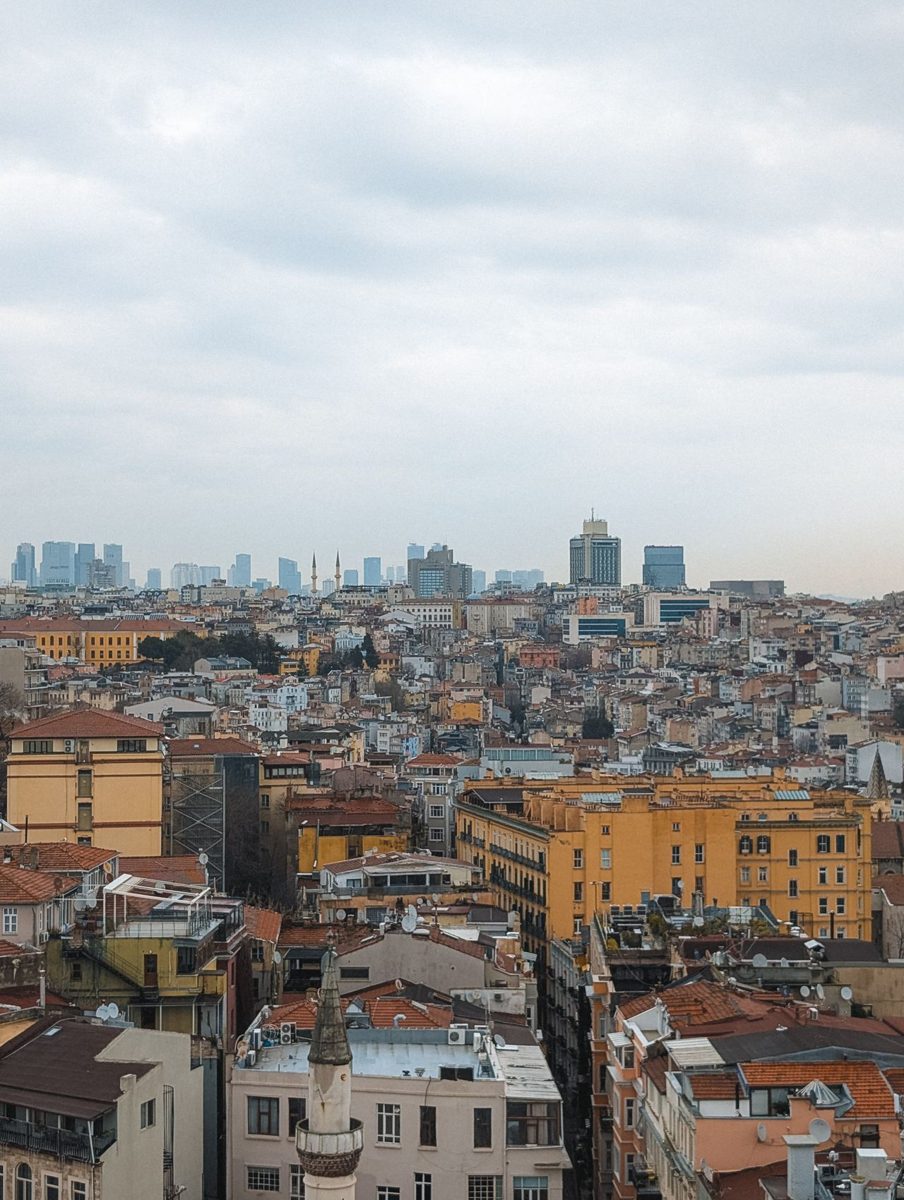
Istanbul is Turkey’s most visited city, and many travellers wonder whether to pick up a rental car on arrival. The honest answer depends entirely on what you plan to do. For the city itself, a car is more hindrance than help - Istanbul’s traffic is among the worst in Europe, parking costs are high, and the public transport network (metro, tram, ferry, dolmuş) handles virtually every journey within the city efficiently. But for day trips, drives into Thrace, or using Istanbul as a launch point for a wider Turkey road trip, renting from one of the two airport locations makes good sense.
The Two Istanbul Airports for Car Rental
Istanbul is served by two major airports, each on a different side of the city.
Istanbul Airport (IST) opened in 2019 and is now the city’s main international hub, located approximately 35km northwest of the city on the European side. All major international carriers and Turkish Airlines use IST as their primary Istanbul base. Car rental desks are located in the main arrivals hall on the ground floor. IST is best positioned for drives toward Thrace (Edirne, Gallipoli, the Bulgarian border) or the northern Aegean coast.
Sabiha Gökçen Airport (SAW) is on the Asian side of Istanbul, approximately 40km southeast of the centre. It is used primarily by Pegasus Airlines, low-cost carriers, and some Turkish Airlines domestic routes. Car rental desks are available at SAW in the arrivals area. SAW is better positioned for drives toward Bursa (via the Osmangazi Bridge), Bolu, Ankara, or down the Anatolian coast toward Izmir.
Note: if you fly into IST and want to rent at SAW (or vice versa), one-way rentals between the two airports are available through most companies but carry additional fees.
What Renting at Istanbul Airport Costs
Car rental prices in Turkey fluctuate significantly with season and booking lead time. As a general guide for 2026:
| Car category | Approximate daily rate (2026) |
|---|---|
| Economy (Fiat Egea, Renault Symbol) | ₺800–1,400 |
| Compact (Volkswagen Polo, Hyundai i20) | ₺1,000–1,700 |
| Family / midsize (VW Passat, Toyota Corolla) | ₺1,400–2,200 |
| SUV (Nissan Qashqai, Hyundai Tucson) | ₺1,800–3,000 |
| Automatic transmission (any category) | add 20–40% |
Booking in advance - particularly for summer - consistently produces better rates than walk-up desk prices. Comparison platforms show rates from all major companies side by side, which is useful given the spread in Istanbul airport pricing.
Insurance: Basic collision damage waiver (CDW) is typically included in quoted rates, but with a high excess (often ₺5,000–15,000). Reducing that excess to zero with a Super CDW is worth considering, particularly in city or mountain driving conditions. Theft protection is usually a separate add-on.
Should You Actually Drive in Istanbul?
For most visitors, the answer is no - at least not for exploring the city itself.
Istanbul traffic: Istanbul consistently ranks among the world’s worst cities for traffic congestion. The Bosphorus bridge crossings back up heavily during peak hours, and navigation through the old city (Sultanahmet, Beyoğlu, Karaköy) is genuinely stressful even for experienced drivers. Finding parking near the main sights is difficult and expensive.
Public transport: The İstanbulkart covers the metro, tram, funicular, bus, and ferry network, which reaches virtually all tourist areas. The T1 tram line runs from the airport rail link terminal through Sultanahmet to Kabataş. The ferry system gives fast access across the Bosphorus.
When a car makes sense:
- Driving to Edirne (230km, 3 hours) to see the Selimiye Mosque
- Gallipoli Peninsula (330km, 4 hours) - essential to have a car for the battlefield sites
- Bursa (160km via Osmangazi Bridge) - straightforward highway driving
- Launching a longer Turkish road trip heading toward Izmir or the Aegean coast
- Day trips to Polonezköy, Şile, or other countryside destinations poorly served by public transport
Practical Rental Notes for Istanbul
HGS toll transponder: Turkish highways use an electronic toll system. Most rental companies provide an HGS transponder with the car; tolls are charged to your credit card at the end of the rental. The Osmangazi Bridge (to Bursa) and several sections of the O-1 ring road around Istanbul carry tolls. Confirm that an HGS transponder is included when booking - driving through toll gantries without one results in fines. See our driving guide for Turkey for full HGS details.
Fuel: Turkey’s petrol stations are plentiful along all major highways. Prices as of 2026 run approximately ₺60–75 per litre for 95 RON petrol. Most rental cars take 95 RON; confirm before filling up.
Parking in Istanbul: Outside central Istanbul, paid parking garages (otopark) are available and reasonable. In the old city, use the official otoparks rather than street parking - many tourist areas have no legal street parking.
Return: If returning to IST at peak times, allow extra time. The airport’s access roads can back up, particularly during the evening rush hour.
Top Day Trips from Istanbul by Car
Gallipoli / Çanakkale (330km): The Gallipoli battlefields require a car to visit properly - the sites are spread across the peninsula and public transport connections are poor. Plan a full day or an overnight trip.
Edirne (230km): Turkey’s northwest frontier city with Sinan’s masterpiece Selimiye Mosque. A comfortable one-day drive; the E80 highway is fast and well-maintained.
Bursa (160km via Osmangazi): The Osmangazi Bridge tolls apply (approximately ₺400–500 one way as of 2026), but the drive is easy highway all the way. Bursa’s Uludağ mountain is accessible beyond the city.
Abant and Bolu (250km): Lake Abant and the Bolu forest are popular weekend escapes from Istanbul, particularly in autumn. Straightforward highway driving.
For full road trip planning from Istanbul, see our Turkey driving guide and the Turkish Riviera road trip itinerary.