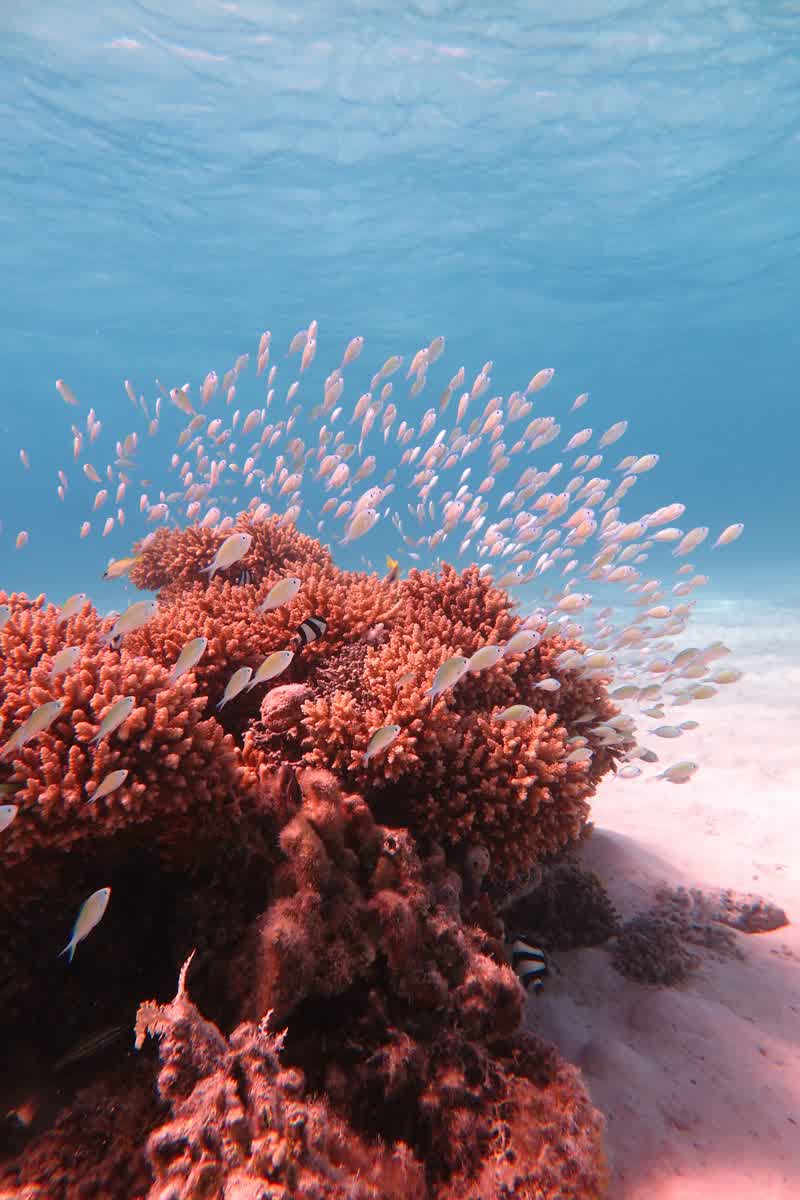
Turkey’s Mediterranean coast offers more than beach tourism - the clear, warm water along the Lycian coast hides underwater caves, ancient amphora fields, WWII-era wrecks, and diverse marine life that make it one of the Mediterranean’s most rewarding dive destinations. Kaş, the designated scuba diving capital of Turkey, has more licensed dive centres per square kilometre than almost anywhere in the Mediterranean.
The visibility in the Kaş–Finike area routinely reaches 30–40 metres in summer, and the combination of clear water, underwater topography (walls, caves, drop-offs), and accessible wrecks makes the region appealing to divers from beginner to advanced.
Kaş: Turkey’s Dive Capital
Kaş is a small town on the Lycian coast 100km southwest of Antalya, and it is the focal point of diving in Turkey. The town has approximately 25 licensed dive centres, concentrating PADI, SSI, and NAUI-certified operators. The terrain around Kaş includes limestone walls dropping to 40m+, underwater caves and swim-throughs, amphora fields from ancient shipping, and wreck dives accessible to Open Water divers.
Why Kaş: The combination of proximity to excellent dive sites (most within 20–45 minutes by boat), multiple operators offering competitive pricing, and the town’s established infrastructure for international visitors makes this the easiest dive base on the Turkish coast.
Key Dive Sites Around Kaş
Uçan Balık (Flying Fish) Wall: A vertical wall dropping from 5m to 40m+ with a consistent current that brings nutrients and marine life. The wall is covered in sea fans, sponges, and soft corals, with schools of amberjack and barracuda regularly present at depth. Best for Advanced Open Water and above.
Kaş Canyon: An underwater ravine system starting at 8m and dropping to around 42m. The canyon walls have multiple overhangs and swimthroughs, with light filtering through at various depths. Octopus, moray eels, and nudibranchs are common at shallower sections. Suitable for Open Water and above.
Tunç Wreck: A small cargo vessel sunk intentionally as an artificial reef, sitting at 18–27m depth. The wreck is well-colonised - sea bream, grouper, and sergeant-major fish use it as shelter. Accessible to Open Water divers. One of the more photogenic wrecks on the Turkish coast.
Meis Island (Kastellorizo) area: The area around the Greek island of Meis (Kastellorizo), directly off Kaş, has exceptional visibility and deeper dive sites in more open water. Some operators run trips to the Blue Cave on Meis - a sea cave accessible only by water, with an extraordinary blue light effect in the interior. Requires advance arrangement.
Amphora dive sites: Several sites near Kaş have concentrations of ancient amphora - ceramic storage vessels from ancient Greek and Roman trading ships - on the seabed. These are protected archaeological sites; touching or removing amphora is strictly prohibited under Turkish law. The sites can be visited by recreational divers with a guide.
Yalikavak anchor site: A collection of ancient stone anchors at 12–18m depth - one of several submerged archaeological features in the Kaş area. Not officially a designated dive site but accessible to recreational divers.
Antalya Region Diving
The Antalya coast has several good dive sites, particularly around the city’s western coast and the adjacent Cape Gelidonya area.
Kemer and Çıralı: 45km west of Antalya, Kemer has several established dive centres. Sites here include underwater walls, sea grass beds with seahorses, and occasional eagle ray sightings. The water around Kemer is slightly less clear than Kaş but still good - typically 15–25m visibility in summer. Kemer suits divers who are combining diving with a resort-based holiday rather than a dedicated dive trip.
Olympos / Çıralı area: Further west, the Olympos coast has dive sites around the submerged rocks and capes south of the main beach. A few operators in Çıralı run dives here. Less organised than Kaş but quieter and with interesting topography.
Antalya city area: The reefs directly off Konyaaltı and the rocks west of the city have dive operations based out of Antalya marina. Less spectacular than Kaş but accessible for day dives while based in the city.
Belek area: The eastern Antalya coast has fewer dive centres but some interesting sites - the reef structures east of the resort strip are less dived and in reasonable condition.
Kemer Specific Sites
Phaselis ruins (shallow): The ancient harbour at Phaselis, 12km south of Kemer, has an underwater extension visible at 3–8m depth - broken amphora, stone blocks, and architectural fragments from the ancient port. Easily combined with visiting the land ruins.
Kemer Point wall: A wall dropping from 6m to around 30m on the western side of the Kemer peninsula. Good coverage of corals and sponges; schools of damselfish at the shallower sections.
Adrasan Bay sites: 50km southwest of Antalya, Adrasan has a small dive operator running dives on reefs and walls in a less-visited part of the coast. The bay is sheltered and conditions are usually calm.
WWII Wrecks
Hafen Wreck (near Fethiye): A German WWII vessel sunk in the Aegean during WWII operations. The wreck sits at 20–38m and is in reasonable condition, with metal sections identifiable and good marine colonisation. Accessible from Fethiye-based dive centres. Requires Wreck Specialty certification or advanced diver status.
Various WWII auxiliary craft: The stretch of Turkish coast between Marmaris and Antalya saw naval activity in 1941–1943, and several wrecks from this period lie in accessible depths. Dive centres in Kaş and Bodrum have the most detailed local knowledge of wreck sites.
Dive Courses and Certifications
Turkey is an excellent destination for learning to dive. The warm, calm conditions in summer make the confined water and open water training phases more comfortable than in cooler destinations.
Discover Scuba Diving (try-dive): No certification required. 1 day, maximum 12m depth with a guide. Approximately ₺1,500–2,000 as of 2026. Available from all major dive centres.
PADI Open Water Diver: The foundational certification allowing independent diving to 18m. 3–4 days (combination of theory, pool sessions, and 4 open water dives). Approximately €300–450 at established Kaş centres. Many Kaş operators offer e-learning options where theory is completed online before arrival.
PADI Advanced Open Water: Assumes Open Water certification. 2 days (5 adventure dives including deep and navigation). Approximately €250–350. Increases maximum depth to 30m and is required for many of the better sites around Kaş.
Speciality courses: Wreck, Nitrox, Rescue, and Underwater Photography specialties are available at most Kaş PADI centres. Nitrox is particularly useful for multi-dive days on deeper sites - it extends no-decompression limits.
Dive Operators
Established 5-star PADI centres in Kaş include Bougainville Travel (long-established, English-speaking), Dragoman Diving, and Sun Divers Kaş - all with multiple boats and full equipment hire. In Kemer, Aqua Vision and Neptune Diving have reliable reputations.
What to check before booking:
- PADI or SSI 5-star rating (verifiable on PADI.com or SSI’s facility finder)
- Maximum diver-to-instructor ratio (for courses: 4:1 is standard PADI; some operators stretch this)
- Equipment age and maintenance record
- Boat safety equipment and oxygen kit presence
- Insurance requirements (many operators require DAN or equivalent dive insurance)
When to Dive
May–October: The primary dive season. Water temperature ranges from 22°C (May) to 28°C (August) at surface; visibility peaks in July–September at 25–40m at the best Kaş sites.
July–August: Busiest season; popular sites have more boat traffic. Book with established operators at least 2–3 days in advance during peak weeks.
October–November: Excellent conditions - warm water retained from summer, fewer divers, calmer surface conditions. Some operators extend their season to November.
November–April: Most Kaş and Kemer dive centres close or reduce to 1–2 days per week. The water cools to 18–19°C (requires 5mm wetsuit). Dive conditions are still good on calm days; fewer tourists means more personal attention. Not all operators carry equipment hire in winter.
Water temperatures by season:
| Season | Surface | 20m depth | Recommended suit |
|---|---|---|---|
| May | 22°C | 18°C | 5mm wetsuit |
| July–Aug | 27–28°C | 22–24°C | 3mm wetsuit |
| Oct | 24–25°C | 20–22°C | 3–5mm wetsuit |
| Dec–Feb | 17–18°C | 15–17°C | 7mm wetsuit or drysuit |
Practicalities
Equipment hire: All major dive centres offer full equipment hire (BCD, regulator, wetsuit, fins, mask). Cost approximately ₺400–600 per day. If you have your own regulator and BCD, most centres reduce the hire rate.
Dive insurance: DAN (Divers Alert Network) annual membership with dive accident coverage is approximately €60–90/year and covers evacuation and hyperbaric treatment. Turkish dive centres increasingly require proof of dive insurance for certification-level dives; check before arrival.
Hyperbaric chambers: The nearest hyperbaric (recompression) chambers to Kaş are in Antalya (approximately 100km) and Fethiye (approximately 90km). DAN emergency number: +39 06 4211 5685 (international). Local emergency services: 112.
Flying after diving: Wait at least 12 hours after a single dive, 18 hours after multiple dives, before flying. If diving multiple days, the standard recommendation is 18–24 hours of surface interval before a flight. Plan your dive trip timing accordingly.
The best diving is concentrated around Kaş and Bodrum - see those guides for where to stay and what else to do in the area. For planning a multi-city coastal trip, the Turkish Riviera road trip itinerary covers the key stops.
Booking in advance: Browse tours and activities in Turkey to compare operators and read recent reviews - booking ahead is strongly recommended in peak season (July–August) as slots fill quickly.
See also: Kaş things to do · Gulet cruise on the Turquoise Coast · Antalya travel guide · Fethiye vs Kaş comparison