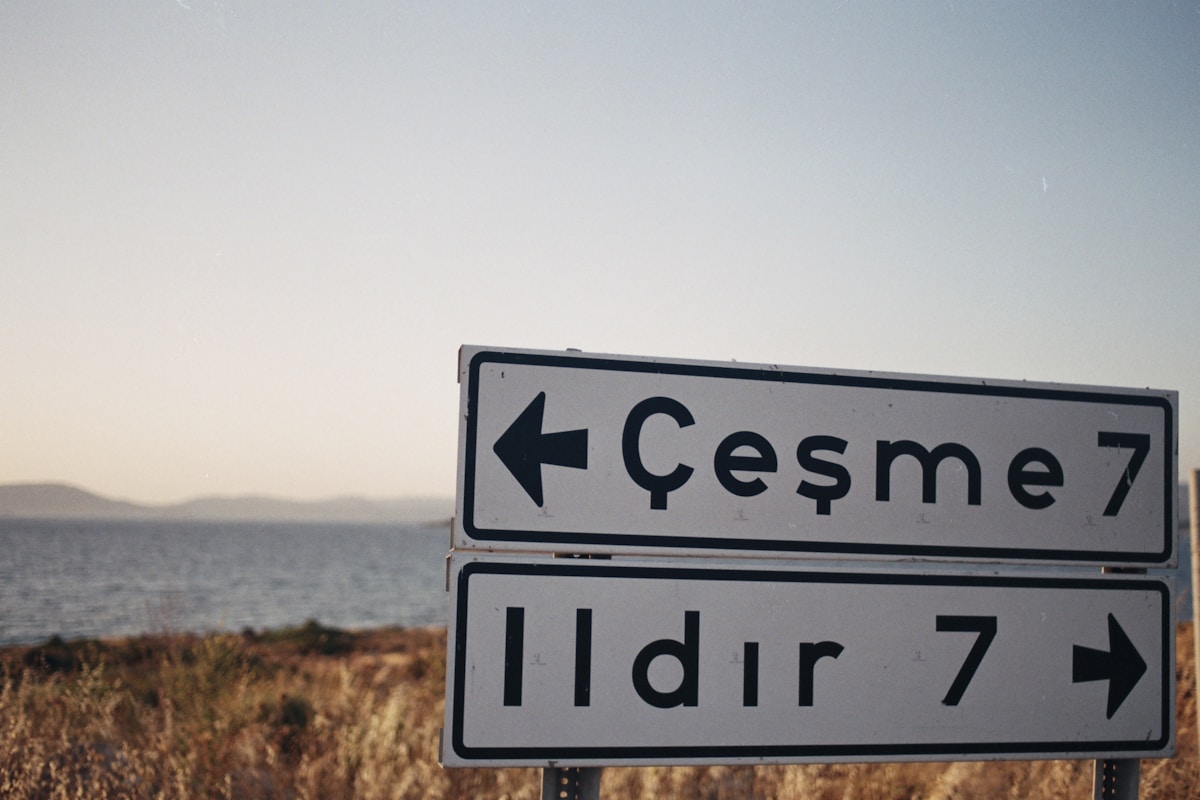
Çeşme Travel Guide 2026: Beaches, Alaçatı and Aegean Coast
Plan your trip to Çeşme - turquoise beaches, Alaçatı's windmill streets, kite surfing, seafood and Ottoman history on the Aegean coast.
Guides for Cesme
Çeşme sits at the western tip of the Çeşme Peninsula, where the Aegean sea is as clear as anywhere in Turkey and the wind blows with reliable consistency from June through September. An hour and a half from İzmir, it has long served as the weekend escape for the city’s professional class - but it has evolved well beyond a commuter resort. Today the peninsula clusters three distinct personalities within 15 km: Çeşme town itself, with its 16th-century castle and working marina; Alaçatı, the restored stone-house village that became Turkey’s top boutique-hotel destination; and Ilıca, the family beach resort with thermal springs at the water’s edge.
Getting to Çeşme
The most practical approach from İzmir is the ÇEAŞ bus from Üçkuyular terminal - buses run every 30 minutes throughout the day and the 90-minute ride costs around ₺60–75 as of 2026. Driving via the Çeşme Otoyolu (İzmir–Çeşme motorway) takes 75 minutes and costs approximately ₺30–40 in tolls. International visitors typically fly to İzmir Adnan Menderes Airport (ADB), from where a taxi to Çeşme costs ₺700–900 depending on traffic, or a Havaş bus to İzmir centre connects with the ÇEAŞ service.
In summer, direct buses from Istanbul (Otogar, roughly 9–10 hours overnight) and Ankara (9–10 hours) serve Çeşme. There is no passenger train and no ferry from İzmir itself, though ferries to Chios (45 min, approximately ₺1,200–1,800 return) and seasonal services to Athens connect Çeşme to Greece.
The Three Centres of the Peninsula
Çeşme town is the administrative hub and the place to base yourself if you want the Genoese-built castle (entry approximately ₺100 as of 2026), the Thursday market, the fish restaurants along the harbour promenade and the car ferry terminal for Chios. The castle museum contains Ottoman cannons, Hellenistic artefacts from Erythrai and a small display on the 1770 Battle of Çeşme - the naval engagement in which the Russian fleet effectively destroyed the Ottoman navy in these very waters.
Alaçatı (7 km east) is the star of the peninsula for tourists seeking boutique hotels and cafés. The 19th-century Greek and Ottoman stone houses that were derelict in the 1990s have been systematically restored; dozens of them are now boutique hotels, wine bars and restaurants charging Istanbul prices. The weekly market (every Thursday) in the main square is the best spot to buy local herbs, dried figs and Alaçatı’s famous artichokes. At the south end of the bay, the Alaçatı windsurfing lagoon - a wide, shallow flat-water pool sheltered from chop - hosts international PWA competitions and attracts intermediate to expert windsurfers from across Europe.
Ilıca (4 km north of Çeşme) is the peninsula’s family beach, with a long sandy shore and - unusually - natural thermal springs that seep up at the water’s edge, raising the sea temperature slightly. It is more resort-hotel in character than boutique, and noticeably cheaper than Alaçatı.
What to Do
Beaches anchor the itinerary for most visitors. Altınkum (Golden Sand, by İlica) is the most accessible and crowded. Boyalık offers calmer water. Çiftlikköy and the coves along the Alaçatı coast are quieter and better for snorkelling. The Alaçatı Surf Paradise lagoon is the main kitesurfing and windsurfing hub, with multiple schools offering lessons from approximately ₺800–1,200 per session as of 2026. Browse Çeşme tours and activities on GetYourGuide for boat excursions to Chios, windsurfing lessons, and guided day trips along the Aegean coastline.
The Çeşme Castle and Museum is the key historical site in town. Within the castle walls, the open-air amphitheatre hosts summer concerts and festivals. The Erythrai ruins at Ildırı (32 km north along the peninsula) are a largely unexcavated Hellenistic city with a surviving theatre and city walls - worth a half-day if you have a car. Boat trips departing from Çeşme harbour visit the Donkiz, Sığacık and Dalyan coves, and the crossing to Chios makes an excellent day trip.
Where to Stay
Alaçatı has the peninsula’s most distinctive accommodation - stone-house boutique hotels charging ₺3,500–8,000/night in high season. Taş Otel and Köy Evi are the classic references, but there are now dozens of similar properties. Booking from January for July–August dates is standard practice; availability collapses fast.
In Çeşme town, beach hotels and apart-otels cluster around Boyalık and Altınkum. Midrange options (₺1,800–3,500/night) include several international chains and independent seaside properties. Ilıca is dominated by large resort hotels with all-inclusive options; families typically pay ₺2,500–5,000/night for a four-star resort.
Budget options are limited on the peninsula. Pansiyons in Çeşme town and Dalyan köyü fill the ₺900–1,500 range.
Search hotels in Cesme on Booking.com
Food and Drink
Çeşme’s food identity is Aegean - lighter, more olive-oil-forward and seafood-oriented than the kebab-dominated interior of Turkey. Boyoz (sesame-oil pastry baked overnight) is the emblematic street food of the İzmir–Çeşme region. Midye dolma (stuffed mussels) are sold by hawkers on the promenade. Mezes here lean heavily on wild greens (ot mezeleri), artichoke dishes and local fish - sea bass, gilt-head bream, octopus.
Alaçatı has evolved into one of Turkey’s most concentrated restaurant destinations, with menus that blend Aegean tradition with contemporary kitchen technique. Expect to spend ₺600–1,200 per person at a midrange Alaçatı restaurant with wine. Çeşme town’s harbour restaurants are more casual; a fish lunch runs ₺350–600.
Kumrucu (kumru sandwich shops) are the casual food staple - the kumru is a toasted bread roll with sucuk, cheese and tomato that İzmir claims as its own.
Getting Around the Peninsula
Dolmuş minibuses connect Çeşme town to Alaçatı, Ilıca and Dalyan köyü throughout the day (₺20–35 per ride). Service thins after 10 pm in shoulder season and stops entirely in winter. Renting a scooter (approximately ₺600–900/day) or a small car (₺1,200–2,000/day) is the most practical way to explore the coves and Erythrai without depending on timing.
In Alaçatı, the central streets are pedestrianised and everything is walkable. In Çeşme town, the harbour and castle are within 10 minutes of the main hotels.
Practical Information
- Currency: Turkish Lira (₺). Cards are widely accepted in Alaçatı and Çeşme town; some smaller beach restaurants are cash-only.
- SIM cards: Turkcell and Vodafone both have shops in Çeşme town. Tourist SIM packages are available from approximately ₺350–600 for 30 days of data.
- Chios ferry: Erturk Lines and other operators run the Çeşme–Chios route. Book online a day or two ahead in peak summer; walk-up tickets are usually available in shoulder season.
- Windsurfing and kitesurfing season: June–September, with the strongest meltemi wind from late June to mid-August.
Çeşme is best visited as part of a broader Aegean itinerary - İzmir is the natural gateway (90 minutes, excellent food scene and ancient Agora), while Kuşadası and Ephesus are 2–2.5 hours south. Comparing Çeşme to similar destinations? The Istanbul vs İzmir comparison covers the broader choice between the two coasts.
Explore Çeşme
- Things to do in Çeşme
- Beaches in Çeşme
- Where to stay in Çeşme
- Best hotels in Çeşme
- Best restaurants in Çeşme
- Food to try in Çeşme
- Çeşme food guide
- Vegan food in Çeşme
- Best cafes to work in Çeşme
- History of Çeşme
- Hiking near Çeşme
- Coastal towns near Çeşme
- Digital nomad in Çeşme
Getting there: Flights to Turkey connect via Istanbul with most European carriers. For a door-to-door arrival, pre-book an airport transfer for fixed-price, hassle-free pickup. An eSIM for Turkey activates before you land and keeps you connected from the moment you clear arrivals.
Book an experience
Top experiences in Cesme
Explore the best tours and activities in Cesme, with instant confirmation and free cancellation on most bookings.