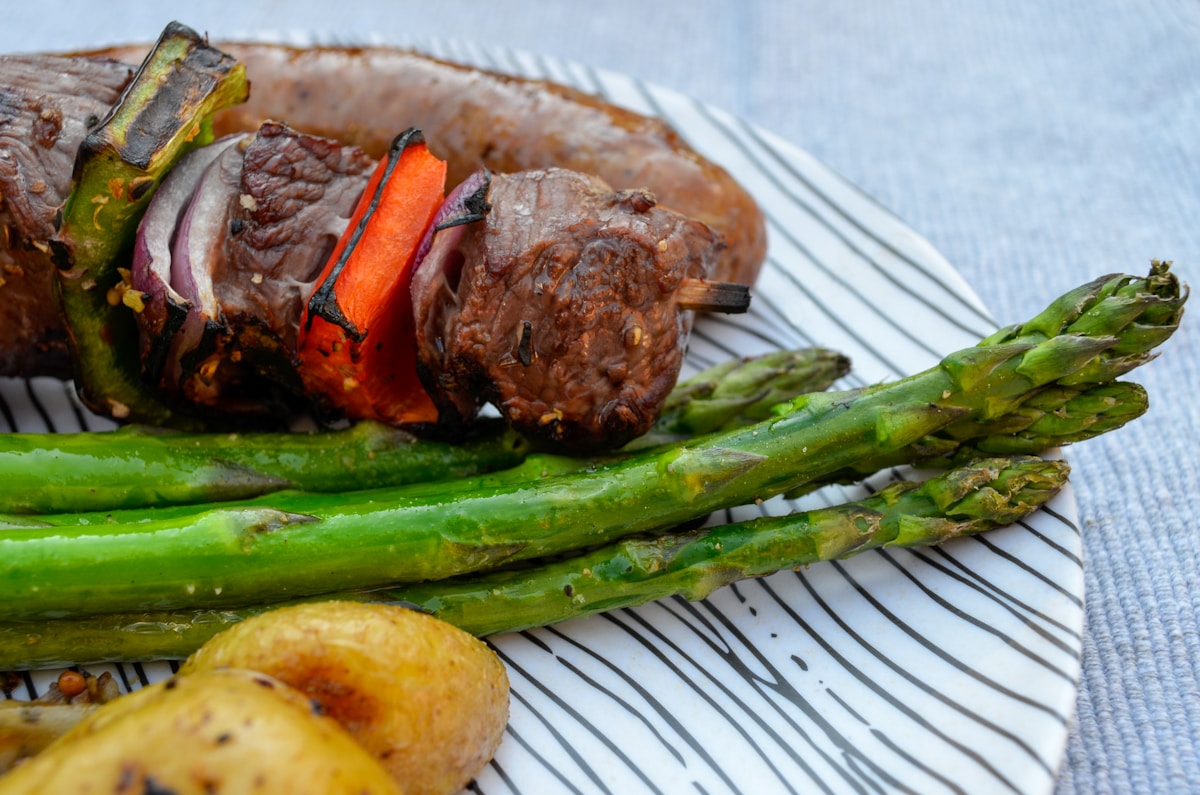
Çeşme food culture is an expression of the Aegean İzmir tradition - it rewards the curious and the patient, and at its best, in the depths of artichoke season on a Alaçatı courtyard terrace, it competes with any regional cuisine in Turkey.
The Aegean Food Tradition
The Aegean coastline from İzmir south through Çeşme shares a food identity shaped by olive trees, wild herbs, the sea and a layered cultural history (Hellenistic, Ottoman, Greek, Jewish). The result is a cuisine built on:
Olive oil as the central fat: Unlike much of Anatolian Turkey, where butter and animal fat dominate, Aegean cooking uses olive oil for almost everything - braising, frying, dressing, finishing. Memecik is the primary olive variety grown in the Çeşme-İzmir region; its oil is mild, fruity and high-yielding.
Wild herbs and greens: Purslane (semizotu), dandelion (karahindiba), wild fennel, lamb’s lettuce, chickweed and nettles all appear in the cold meze tradition. Locals pick some of these from hillsides; most come from the Thursday market. The herb-braised meze (zeytinyağlı ot mezesi) is the Aegean’s most distinctive contribution to Turkish cuisine.
Fish and seafood: The Aegean is a relatively enclosed sea with varied fish populations. The fishing tradition of Çeşme and İzmir centres on sea bass (levrek), gilt-head bream (çipura), red mullet (tekir), sole (dil balığı), octopus (ahtapot), squid (kalamar) and mussels (midye).
The Thursday Market in Alaçatı
Every Thursday, the central square of Alaçatı transforms into a market selling local produce, regional specialities and crafts. For food visitors, the key sections are:
- Produce stalls: Seasonal vegetables and fruits; artichokes dominate in spring. In summer: tomatoes, aubergines, peppers, courgettes, figs, peaches, grapes.
- Olive oil vendors: Several producers from the İzmir province sell direct. Expect to pay ₺200–500 for 500ml of cold-pressed extra virgin depending on the producer and the harvest year.
- Dried produce: Figs (kuru incir), mulberries (dut), raisins, dried apricots and lokum (Turkish delight) in multiple flavours.
- Herbs and spices: Local thyme (kekik), oregano, dried mint, sumac, dried red pepper flakes.
- Cheese: The Aegean region produces distinctive white cheeses including tulum (aged cave-ripened cheese, sharp and crumbly) and fresh beyaz peynir.
Artichoke Season (March–May)
The Alaçatı artichoke is the peninsula’s most celebrated agricultural product. It is protected by a geographical indication and grown across a small area around the village. The season runs from approximately late March through May; by June it is over.
During season, Alaçatı restaurants build significant portions of their menus around it. The Thursday market stalls overflow with artichokes at prices far below what you would pay if the same product were sold in Istanbul. A dozen artichokes costs approximately ₺100–200 depending on the vendor and point in the season.
Fish Buying from the Harbour
The easiest way to experience Çeşme’s fish culture is at the daily fish market near the harbour. Arrive between 7 and 9 am when the boats bring the catch. The variety changes by season and by day. Whole fish can be bought and taken to a local restaurant (tell them you bought it from the market and they will cook it for a preparation charge of approximately ₺100–150) or cooked in your accommodation if you have a kitchen.
Fish market prices (approximate, as of 2026): sea bass ₺200–280/kg, gilt-head bream ₺180–250/kg, red mullet ₺300–400/kg, octopus ₺150–200/kg.
The Kumru Experience
Kumru is the food identity of Çeşme in a way that no other single dish is. The sesame roll, the sucuk, the melted cheese - the combination is specifically Çeşme’s, and the ritual of visiting a kumrucular near the harbour and eating standing or at a small bench is part of the experience.
The original Çeşme kumru vendor is said to be Kumrucu İrfan on the promenade, though the town now has dozens of operations doing variations on the same format. Try more than one if you are staying for several days - the bread quality and sucuk sourcing create meaningful differences.
İzmir Influence and Regional Reach
Çeşme is one hour from İzmir, and the İzmir food scene bleeds into the peninsula’s restaurants and daily eating habits. İzmir is Turkey’s third city and arguably its most food-serious - it has an established Jewish culinary tradition (boyoz, petibör biscuits, Sephardic pastries), a Greek food legacy, a strong contemporary restaurant scene and a wine culture supported by the Urla wine region just 30 km east.
For visitors staying a week or more, a half-day trip to İzmir for food is worthwhile: the Kemeraltı market bazaar, the Kordon waterfront fish restaurants, the Karataş neighbourhood’s Jewish bakeries and the covered İzmir market all offer dimensions that Çeşme alone cannot.
Dishes and street food to try in Çeşme
Boyoz: the breakfast pastry
Boyoz is the Çeşme and İzmir morning ritual. This flat, coiled pastry - made from flour, sesame oil, and salt only, with no egg or dairy - is baked overnight so the exterior crisps into dozens of thin flaky layers while the interior stays soft. Pull apart with fingers (never cut), eat with a hard-boiled egg and black tea. Traces back to the Sephardic Jewish community of İzmir. A single boyoz costs approximately ₺25–45 at a fırın (bakery); best ones come straight from the oven between 7 and 10 am.
Kumru: Çeşme’s street food identity
The bread - a fat sesame roll with a soft interior - is filled with sucuk (Turkish beef sausage, lightly spiced), kaşar (a mild yellow cheese that melts under the grill), tomato slices, and optionally roasted green pepper or pickles, then grilled until the cheese melts through. Choose your fillings at the counter and eat on the spot. Kumrucular cluster around the harbour and main market street. A single kumru costs approximately ₺80–120. Not considered a lunch dish specifically - Çeşme residents eat it any time between 11 am and 4 pm.
Alaçatı artichoke preparations
During artichoke season (March–May) restaurants build menus around the Alaçatı artichoke. Preparation styles: braised with olive oil, lemon, and dill (the simplest and most common); filled with herbed rice pilaf; raw in thin slices with lemon and capers; in a cold meze with fava beans and spring onions. A spring meze spread might include three or four different artichoke preparations across one meal.
Cold meze to order
The cold meze spread in Çeşme differs from Istanbul or Ankara versions:
- Zeytinyağlı ot mezeleri: Wild greens (purslane, dandelion, wild fennel) braised in olive oil, served cold with lemon
- Cacık: Yoghurt with cucumber - poured thin enough to almost be a soup in the İzmir tradition
- Fava: Broad beans pureed with olive oil, garnished with dill, lemon, and capers
- Midye dolma: Street vendors along the harbour promenade - squeeze lemon, eat one by one. Approximately ₺15–20 per mussel. The rice inside is seasoned with allspice, currants, and pine nuts in the İzmir tradition
- Ahtapot (octopus): Typically grilled, dressed with olive oil, lemon, and dried thyme
What a proper Çeşme meal costs
A casual kumru lunch: ₺80–120 per person. Harbour fish restaurant dinner (midye, meze, one fish, beer/wine): ₺400–700 per person. Full Alaçatı restaurant dinner with wine: ₺600–1,200 per person.
All prices as of 2026.
Make the most of the food scene: Book a food tour of Çeşme to sample the standout local spots with a guide who knows where residents actually eat. An eSIM for Turkey keeps you connected for navigating neighbourhoods and checking restaurant hours on the go.
See also: Çeşme travel guide · Best restaurants in Çeşme · İzmir food guide · Turkish food guide
Ready to book a bed? Search hotels in Cesme on Booking.com.