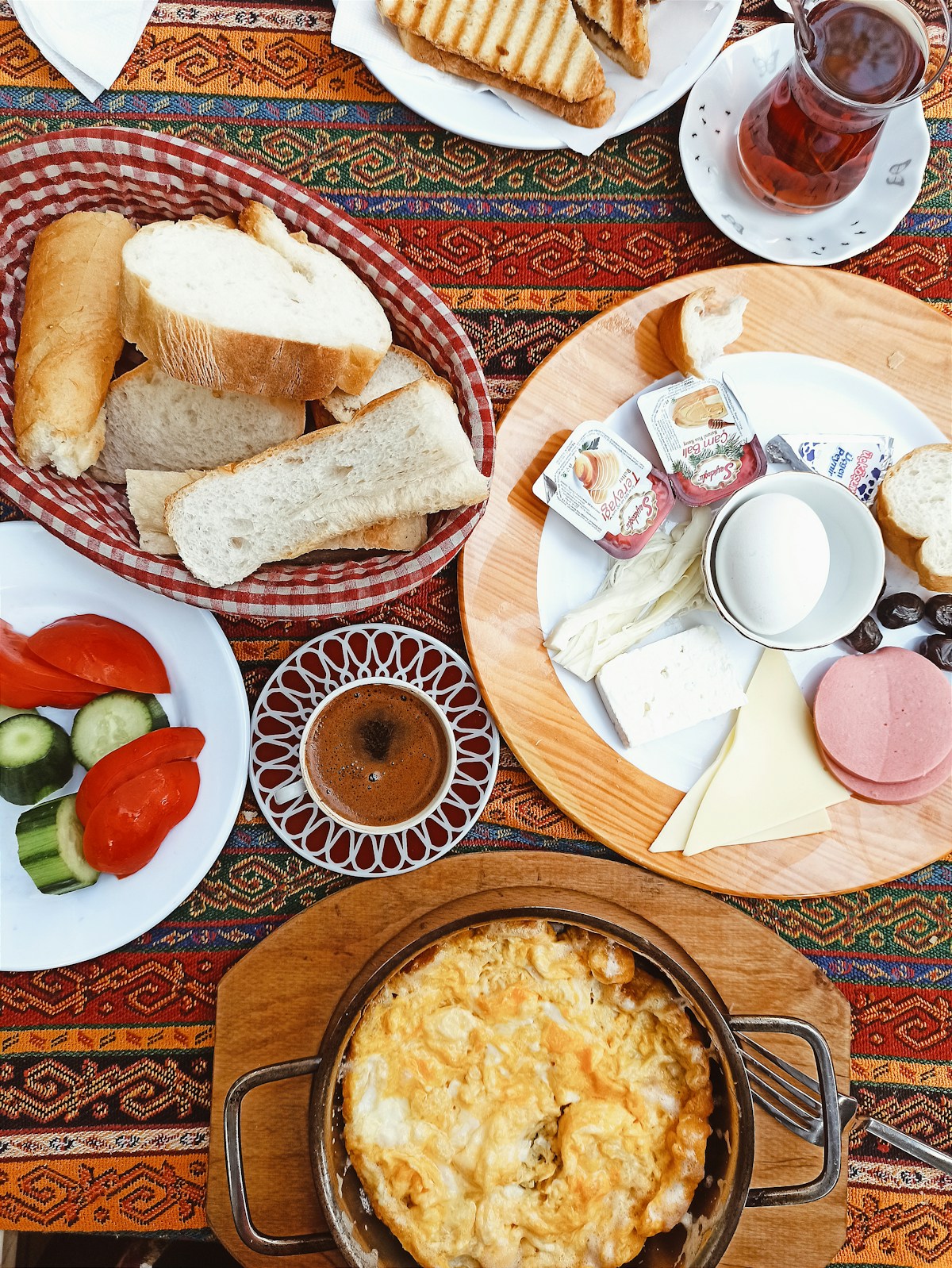
Istanbul’s food culture is one of the most layered in the world - a city where a simple breakfast table might include 15–20 components, where a neighbourhood bakery produces börek at 5am, where the meze tradition demands that the meal before the meal is as considered as the main event. A cooking class cuts past the restaurant experience and gives context: where the flavours come from, how they’re built, and the techniques behind dishes that look deceptively simple.
Istanbul has a developed cooking class scene, with options ranging from short, tourist-focused market visits with a light cooking demo to serious half-day classes that have participants producing a full multi-course meal from scratch.
What You’ll Learn
Most classes in Istanbul teach a core curriculum of Ottoman and Anatolian dishes with modern relevance - the foods you’ll encounter across Turkey and that define the cuisine internationally. A typical 3.5–4 hour class covers:
Meze: The small plates served before the main course are often the most technique-dense. Cacık (a cucumber and yoghurt preparation similar to tzatziki but with distinct Turkish seasoning) teaches yoghurt straining and herb balance. Muhammara (red pepper and walnut dip) involves charring, blending, and seasoning by taste. Haydari (thick strained yoghurt with herbs) is simpler but requires understanding the texture goal.
Dolma: Stuffed vine leaves (yaprak dolması) or stuffed peppers (biber dolması) teach the filling technique: a spiced rice-and-herb mixture that’s wrapped or packed, then slow-cooked in a broth. The rolling technique for vine leaves is the main skill - it takes most participants three or four attempts before the result holds together. Getting the wrapping tension right matters for the cooking result.
Köfte or main course meat: Most classes include one meat dish, typically köfte (minced lamb and/or beef, seasoned with onion, cumin, paprika, and parsley, shaped and grilled) or a slow-cooked dish like İmam Bayıldı (roasted aubergine stuffed with onion, tomato, and herbs - a classic Ottoman vegetarian preparation despite the name). Chicken in walnut sauce (circassian chicken, çerkez tavuğu) appears in some Ottoman-focused classes.
Baklava or Turkish dessert: Assembling baklava from prepared phyllo pastry - layering, buttering, filling with crushed pistachio or walnut, cutting, and baking - is a class favourite because the results are immediately rewarding. Some classes teach künefe (a hot cheese pastry soaked in syrup) or sütlaç (rice pudding) as alternatives.
Bread and flatbread: Lahmacun, the thin spiced minced-meat flatbread, is a popular class component - stretching the dough, applying topping, and getting it into a hot oven teaches the texture the bread should have. Pide (Turkish flatbread) and bazlama (leavened flatbread cooked on a griddle) appear in some classes.
Classes That Begin With a Market Tour
The most comprehensive Istanbul cooking experiences start at the market rather than the kitchen. These typically begin at 9–10am at the Spice Bazaar (Mısır Çarşısı in Eminönü) or Kadıköy Market, with an instructor who explains the ingredient ecosystem: which dried chillies are used for which applications, the difference between Turkish black cumin (kara kimyon) and regular cumin, how to select fresh herbs, and what the vendor selling 40 varieties of olive has that the supermarket doesn’t.
Market tours typically run 45–60 minutes before moving to the cooking space. Some operators set up their kitchen in the Karaköy or Galata area (5–10 minutes from the Spice Bazaar); others use a kitchen in Beyoğlu or Fatih.
The market portion adds significant value for visitors spending more than a few days in Istanbul: it contextualises the ingredients in what you’ll later cook, and the Spice Bazaar’s covered hall - built in 1664 as part of the Yeni Cami complex - is an extraordinary space in its own right.
Established Operators Worth Knowing
Istanbul Cooking School (Beyoğlu): One of the longest-running dedicated cooking schools in the city, with morning and afternoon sessions daily. Classes cover a standard Turkish curriculum with an option to request Ottoman-specific dishes. The school is located in a traditional apartment kitchen near Galata Tower. Group sessions (8–10 people) cost approximately €65–80 per person as of 2026; private sessions approximately €120–150.
Turkish Flavours: A well-regarded private and semi-private class specialist with an emphasis on traditional Anatolian recipes and small groups (maximum 6). The kitchen is in Beyoğlu. Market tour options available with advance request. Known for personalised instruction and flexibility with dietary requirements. Approximately €90–120 per person.
Cooking Alaturka (Sultanahmet): Located near the Grand Bazaar in a restored historical building, this operator runs one of the most atmospheric class settings in Istanbul. Classes follow a set menu that changes seasonally. The post-cooking communal meal on the rooftop terrace with Grand Bazaar views is frequently mentioned as a highlight. Approximately €75–100 per person.
Bosporus Cooking Class: A touring-format class that changes kitchen location seasonally and focuses on regional Turkish cooking beyond Istanbul - Aegean olive oil cuisine, southeastern Anatolian dishes (Gaziantep-style) in different months. Approximately €80–110 per person.
Hotel-based classes: The Four Seasons Istanbul Bosphorus, Çırağan Palace, and Mandarin Oriental offer cooking experiences through their culinary teams. These are typically shorter (1.5–2 hours), more demonstration-focused, and significantly more expensive (€150–250 per person). The kitchen facilities are exceptional and the setting is memorable, but the instruction depth is generally lower than dedicated cooking school operators.
What to Expect on the Day
Classes start with coffee or tea and a quick overview of the day’s menu. Most kitchens are equipped for groups of 4–10 to work at individual stations; some have central demonstration areas where the instructor shows a technique before participants replicate it at their station.
The cooking itself is hands-on from the start - you’re chopping, stirring, kneading, and assembling rather than watching. Good instructors circulate constantly, correct technique gently, and explain the reasoning behind each step (why you add lemon at the end, why the yoghurt must be cold when combined). Less engaging classes follow a recipe card with minimal explanation.
After cooking, everyone eats together. This is often the most enjoyable part - the satisfaction of eating something you’ve made, in a group of strangers who’ve spent 3 hours working together, is reliable and repeatable. Bring appetite; portions are generous.
Practical Tips
Book at least 3–5 days in advance for popular morning slots, more in summer when Istanbul visitor numbers peak. Most operators will confirm within 24 hours whether dietary requirements (vegetarian, vegan, nut allergy) can be accommodated.
Wear comfortable clothes you don’t mind getting a small amount of food on - aprons are provided but don’t cover everything. Leave jewellery at your accommodation if it’s something you’d be uncomfortable getting cooking ingredients on.
Ask before booking whether the class includes wine or raki - some operators include a glass with the meal, others charge separately or don’t serve alcohol. If you’re booking for a group with non-drinkers, it’s worth confirming the setup.
See our Istanbul travel guide for accommodation and what else to do, and the Istanbul food guide for the broader eating scene. For a full visit plan, see our 3-day Istanbul itinerary. For other hands-on Istanbul experiences to combine with a cooking class, see the Bosphorus cruise guide and the Turkish bath guide. Heading beyond Istanbul? Our Turkish food guide covers regional cuisine differences across the country.
Booking in advance: Browse tours and activities in Istanbul to compare operators and read recent reviews - booking ahead is strongly recommended in peak season (July–August) as slots fill quickly.
See also: Istanbul food to try · Kadıköy neighbourhood guide · Istanbul vegan food guide · Karaköy neighbourhood guide