Türkiye sits at the intersection of Europe and the Middle East, and its social norms reflect that position. The country is predominantly Muslim but constitutionally secular, so expectations vary sharply depending on where you are and what you are doing. Following the guidance below will help you avoid the most common missteps and show genuine respect for the people and places you encounter.
Dress Codes
Mosques
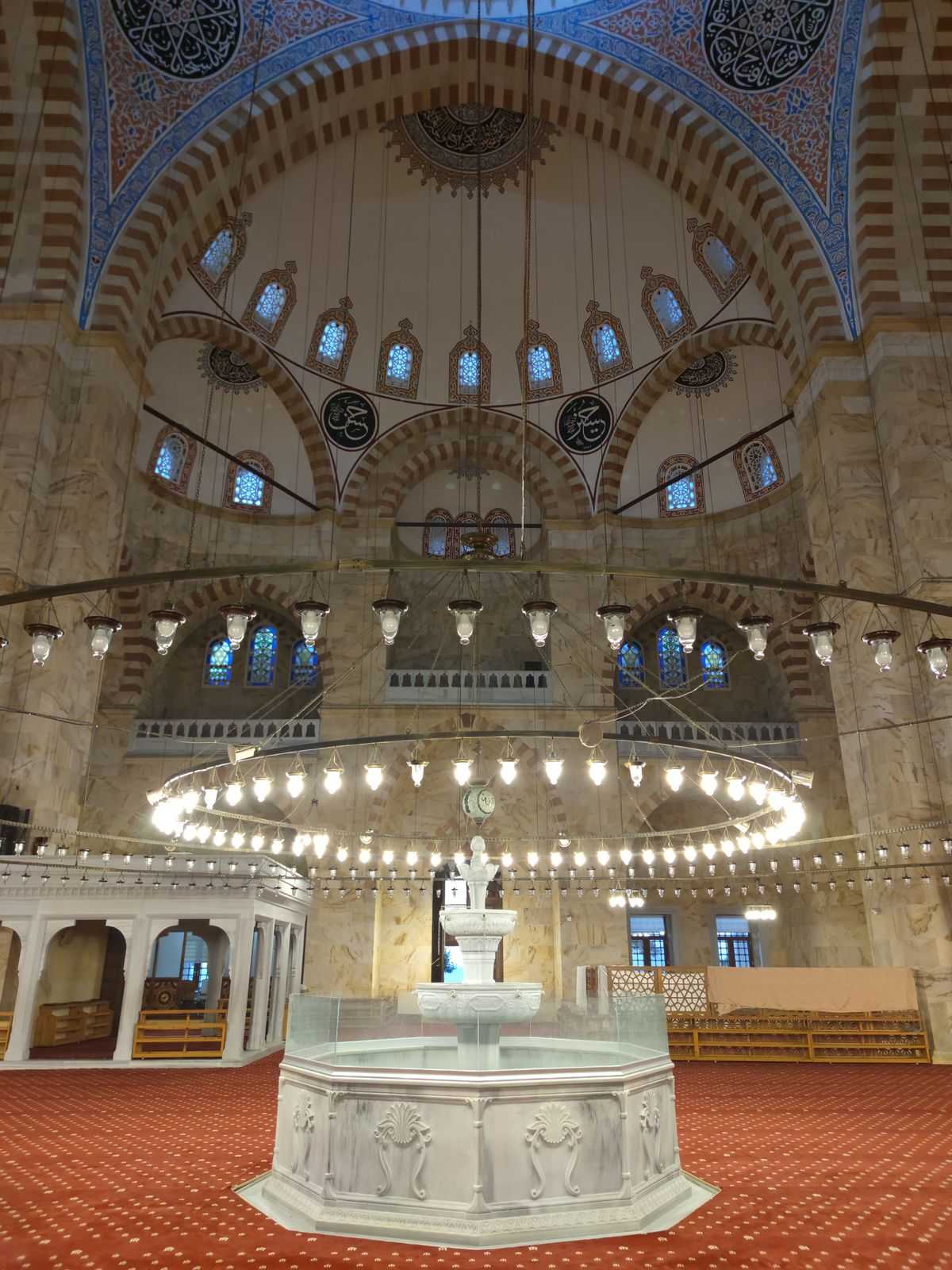
Both men and women must cover their shoulders and knees before entering any mosque. Women also need to cover their hair with a scarf. Most major mosques, including the Blue Mosque (Sultan Ahmed Camii) and Hagia Sophia Mosque in Istanbul, provide free loaner scarves and overshirts at the entrance, so you do not need to pack specialist clothing for a single visit. Remove your shoes at the door and carry them in a bag or leave them on the rack provided. Avoid scheduling a mosque visit for the 15 minutes around the call to prayer (ezan), when non-Muslim tourists are asked to wait outside.
Beaches and Resort Areas
Resort towns like Bodrum, Fethiye, Ölüdeniz, and Antalya are accustomed to international visitors. Bikinis, swimming shorts, and vest tops are completely normal on the beach and at beach clubs. Cover up when walking through the town centre, markets, or into any shop or restaurant away from the waterfront. A lightweight sarong or t-shirt does the job.
Restaurants and City Centres
Smart-casual works in virtually every restaurant in Istanbul, Ankara, and Izmir. Top-end restaurants at hotels on Bosphorus waterfront may expect slightly more formal dress in the evening, but there is no rigid jacket-required culture. In more conservative cities such as Konya or Sanliurfa, dressing modestly (covered shoulders and knees for women) is appreciated, even outside religious sites.
Greetings and Social Customs
How Turks Greet Each Other
The standard greeting is “Merhaba” (hello) or “Selam” (hi). A handshake is the norm between new acquaintances of any gender combination in cities. Between close friends or family, two kisses on the cheek (right side first) are common. Older men may greet one another with a brief embrace and touch of cheeks.
If someone much older extends their hand, it is polite to take it gently with both hands, then raise the back of their hand towards your forehead. This gesture of respect for elders (called el öpme) is not expected from foreign visitors, but you will be warmly received if you make the attempt.
Accepting Hospitality
Hospitality in Türkiye is not a pleasantry but a deep cultural value. If someone invites you for tea, coffee, or a meal, refusing firmly can cause offence. A polite decline with a reason (you are on your way somewhere, you have already eaten) is fine, but a flat “no” reads as unfriendly. If you sit for tea in a shop while browsing, you are under no obligation to buy anything.
Bargaining
Bargaining is expected at bazaars and outdoor markets. The Grand Bazaar (Kapalıçarşı) and the Spice Bazaar (Mısır Çarşısı) in Istanbul are the most famous venues where this applies. Start at around 50 to 60 percent of the asking price, stay friendly, and be prepared to walk away. Fixed-price shops (supermarkets, chain stores, most restaurants) do not bargain, and attempting it there will cause confusion rather than savings.
Photography
Photograph freely in public squares, landscapes, and markets, but ask permission before pointing a camera at individuals, particularly women and older people in more rural or conservative areas. Photography is allowed inside most mosques when no prayers are in progress, but keep the camera away from worshippers. Some cultural sites charge a small fee for photography; check signage at the entrance.
Religious and Cultural Sensitivities
Ramadan
During Ramadan, observant Muslims fast from before sunrise until sunset. Eating, drinking, and smoking in public during daylight hours is not illegal for non-Muslims, but doing so conspicuously near mosques or in conservative neighbourhoods is considered disrespectful. Restaurants in tourist areas remain open throughout the day. The month ends with Eid al-Fitr (Ramazan Bayramı), a four-day public holiday when transport and accommodation book out weeks in advance.
Alcohol
Alcohol is legal and widely available in Türkiye, sold at licensed restaurants, bars, and shops (off-licences close after 22:00 in most cities). Do not bring alcohol into mosques or drink in the street in residential neighbourhoods, particularly during prayer times or near religious institutions. Some districts in conservative cities operate alcohol-free restaurant zones; if no menu lists drinks, it is a reliable sign not to ask.
Shoes
Remove your shoes before entering a mosque, a traditional Turkish home, and some informal restaurants with low floor seating. Look for a shoe rack near the door. Carrying shoes in hand rather than leaving them by the door is the norm in high-traffic mosques.
Dining Etiquette
Meals in Türkiye are a social event rather than a quick transaction. Expect the table to accumulate many small dishes (meze) before the main course arrives, and wait for the host or eldest person to begin eating before you start. Bread is placed directly on the table rather than in a basket in many traditional restaurants; do not refuse it, as bread carries cultural significance.
Tea (çay) is served in small tulip-shaped glasses throughout the day, at breakfast, after meals, and during any business or social exchange. It is strong and served unsweetened; sugar cubes come on the side. Refusing tea repeatedly in a social or business setting is awkward. If you genuinely do not want more, place your teaspoon across the top of the glass.
Turkish coffee (Türk kahvesi) is served in small cups with grounds at the bottom. Drink slowly and stop before you reach the sediment. It is customary for the server to ask how sweet you want it when ordering: “sade” (no sugar), “az şekerli” (a little sweet), “orta” (medium sweet), or “çok şekerli” (very sweet).
Tipping
Tipping is appreciated across restaurants, taxis, hammams, and hotels, but expectations are lower than in North America. A 10 percent tip is standard in sit-down restaurants; rounding up the fare is common for taxis. For detailed rates by venue type, see our full tipping guide for Türkiye.
Behaviour in Homes
Being invited to a Turkish home is a significant gesture and one worth accepting when you can. Bring a small gift: quality chocolates, baklava from a known bakery, or flowers (avoid bringing an even number of stems, which is associated with funerals). Remove your shoes at the entrance without being asked. You will almost certainly be offered slippers.
The host will typically serve several rounds of tea and food regardless of the time of day. Compliment the food sincerely, eat what is offered, and do not leave the table immediately after finishing. The expectation is that you sit, talk, and drink tea for some time after the meal. Offering to help with washing up will usually be refused, but the gesture is noticed and appreciated.
Avoid pointing the sole of your foot at another person when seated on the floor, as this is considered rude. Keep conversation away from divisive political topics until you know your hosts well.
General Tips
Do not whistle indoors. In Turkish folklore, whistling inside a building is considered to invite the devil. You will see Turks frown or wince if you do it.
Learn a few words of Turkish. “Teşekkür ederim” (thank you) and “Lütfen” (please) go a long way. Any attempt at Turkish is met with enthusiasm and warmth, particularly outside the major tourist cities.
Be patient with queues and public transport. Türkiye’s cities are dense and schedules are approximate. The cultural norm is to take interruptions and delays in stride, and visitors who do the same generally have a far better time than those who do not.