January is deep winter across most of Turkey. Temperatures drop below freezing in Cappadocia and eastern Anatolia, Istanbul is cold and rainy, and the coastal resorts are largely shuttered. But for travellers who prefer empty museums, low prices, and the chance to see snow-covered fairy chimneys, January delivers something the peak months cannot.
Weather by Region
Istanbul: 3–9°C with frequent rain and occasional snow. Grey skies are common, but clear winter days do occur - the Bosphorus under pale winter sun has a particular beauty. Humidity is high, so the cold feels sharper than the numbers suggest. Pack layers, a waterproof jacket, and warm shoes.
Cappadocia: Very cold at −5 to 5°C. Snowfall is common and can be heavy. The valleys and fairy chimneys look extraordinary under fresh snow, and this is when photographers get the region’s most dramatic shots. Roads between towns are generally cleared quickly, but icy conditions on valley trails require proper footwear.
Mediterranean coast (Antalya, Side, Alanya): Mild at 10–17°C with some rain. Most beach resorts and boat-trip operators are closed for the season, but the city of Antalya itself functions year-round. The old town (Kaleici) and the archaeological museum are worth visiting without the summer crowds.
Eastern Turkey (Van, Erzurum, Kars): Harsh winter conditions with temperatures regularly dropping to −15°C or lower. Kars under heavy snow is atmospheric - the ruins of Ani on the Armenian border are hauntingly empty - but travel requires serious cold-weather preparation and flexible plans, as roads can close.
Istanbul in January
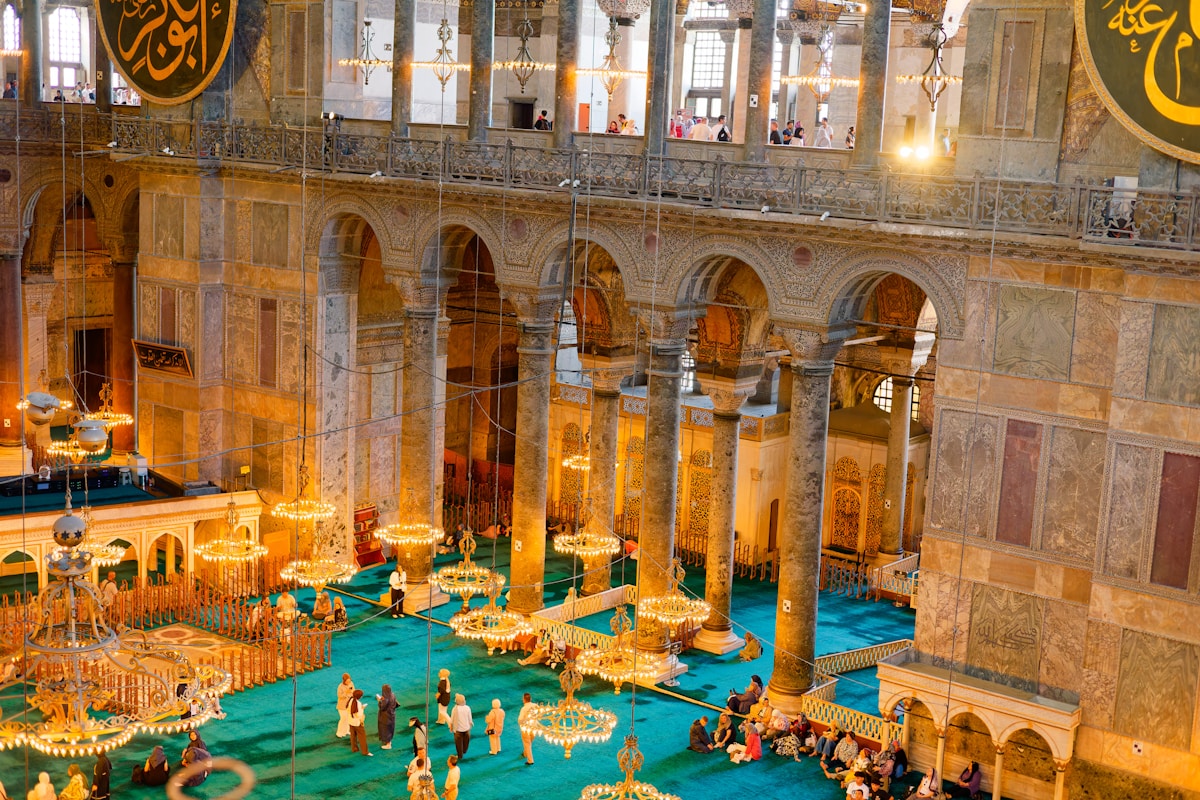
January is one of Istanbul’s quietest months. The queues that snake outside Hagia Sophia and Topkapi Palace in summer are absent. We recommend using the low season to visit the Archaeological Museums, the Basilica Cistern, and the Chora Church (Kariye Mosque) without the crush of tour groups. The Grand Bazaar and Spice Bazaar are open as normal and considerably easier to navigate.
Istanbul’s restaurant scene operates at full capacity year-round. Winter is the season for hearty Turkish soups - tarhana, mercimek (red lentil), and iskembe - and the city’s meyhane (tavern) culture is at its most appealing when it is cold outside. A Bosphorus ferry ride is still worthwhile on a clear day, though the open upper deck is bracing.
Hotel prices in January drop 30–50% compared to the April–October peak. Boutique hotels in Sultanahmet and Beyoglu that charge over 200 EUR in September can often be found for under 100 EUR.
Cappadocia in January
Hot air balloon flights operate year-round when weather permits, but January has the highest cancellation rate of any month. Flights are grounded when wind speeds exceed safe thresholds, and winter storms can ground balloons for several consecutive days. If a balloon ride is essential to your trip, build at least three mornings into your schedule to increase the odds of a flyable day. When flights do go ahead, the snow-covered landscape below is spectacular - and there are far fewer balloons in the sky than during peak season.
Cave hotels in Goreme and Uchisar drop their rates substantially in January. Properties that charge 150–250 EUR per night in October are often available for 60–90 EUR. The cave rooms, with their thick stone walls, are naturally insulated and surprisingly warm.
Skiing is available at Erciyes, the large ski resort near Kayseri (about 25 km from the airport). The resort has modern lifts and reliable snow from December through March, and it is far cheaper than European Alpine resorts.
The Turkish Coast in January
The Aegean coast (Bodrum, Kusadasi, Datca) is effectively closed for tourism in January. Most hotels, restaurants, and boat operators shut down from November to April. The towns themselves are quiet but functional for everyday life.
The Mediterranean coast around Antalya stays milder. Antalya city is a year-round destination with a large resident population, so restaurants, museums, and Kaleici remain fully operational. Side and Alanya are much quieter than Antalya but not entirely deserted. January is an excellent time to visit Aspendos, Perge, and Termessos - three major archaeological sites near Antalya - in solitude and comfortable temperatures for walking.
Festivals and Events
January is one of Turkey’s quietest months for festivals. New Year celebrations carry over from December 31, particularly on Istiklal Caddesi in Istanbul’s Beyoglu district, with decorations and street activity lasting into early January. The skiing season at Uludag (near Bursa) and Erciyes (near Kayseri) is in full swing by January, drawing domestic visitors on weekends.
Costs and Crowds
January offers the lowest prices of the year across almost all categories. Domestic flights on Turkish Airlines and Pegasus drop significantly - Istanbul to Cappadocia can be found for 30–50 EUR one way. Accommodation is at its cheapest. The only exception is ski resorts, which charge peak rates on winter weekends.
Crowd levels are minimal everywhere except Istanbul’s indoor attractions on weekends. Even Istanbul’s most popular sites rarely require advance booking in January.
For destination-specific guidance: Istanbul, Cappadocia, Bursa (Uludağ skiing). See our best time to visit Turkey for the full year picture.
Adjacent months: Turkey in December · Turkey in February · Skiing in Turkey
Planning your visit: Compare flights to Turkey early if you’re travelling in peak season (July–August) - prices climb steeply in the final weeks. Travel insurance covering cancellation and medical costs is straightforward to arrange at the same time.
Plan Your Trip
✈️ Book your flights to Türkiye 🛡️ Get travel insurance 📱 Stay connected with an eSIM 🚗 Rent a car