Bursa Travel Guide 2026: Ottoman Capital, Uludağ and Green
Bursa guide covers the Grand Mosque, Green Mosque, Silk Bazaar, Uludağ ski resort and why the first Ottoman capital is Turkey's most underrated city.
Guides for Bursa
Bursa is Turkey’s fourth-largest city and the first capital of the Ottoman Empire - a city that holds the tombs of the first three Ottoman sultans and the physical origins of a civilisation that shaped three continents. It is also one of the most livable and under-visited major cities in Turkey: a city of silk bazaars, Ottoman thermal baths, one of Turkey’s best ski resorts (Uludağ), the finest inlaid woodwork in Turkey, and a food tradition that gave döner kebab to the world.
The epithet “Yeşil Bursa” (Green Bursa) is genuinely earned - the city is surrounded by the forests of Uludağ and the Bursa plain, with more green space than any major Turkish city outside Ankara.
What makes Bursa significant
First Ottoman capital: Bursa was captured by Osman I’s son Orhan in 1326 CE and became the first true capital of the Ottoman state. The tombs of Osman I and Orhan I are here; so are the tombs of Murad I and Beyazıd I. The city retains the physical structures of early Ottoman architecture in a way that Istanbul’s later, more grandiose buildings have obscured.
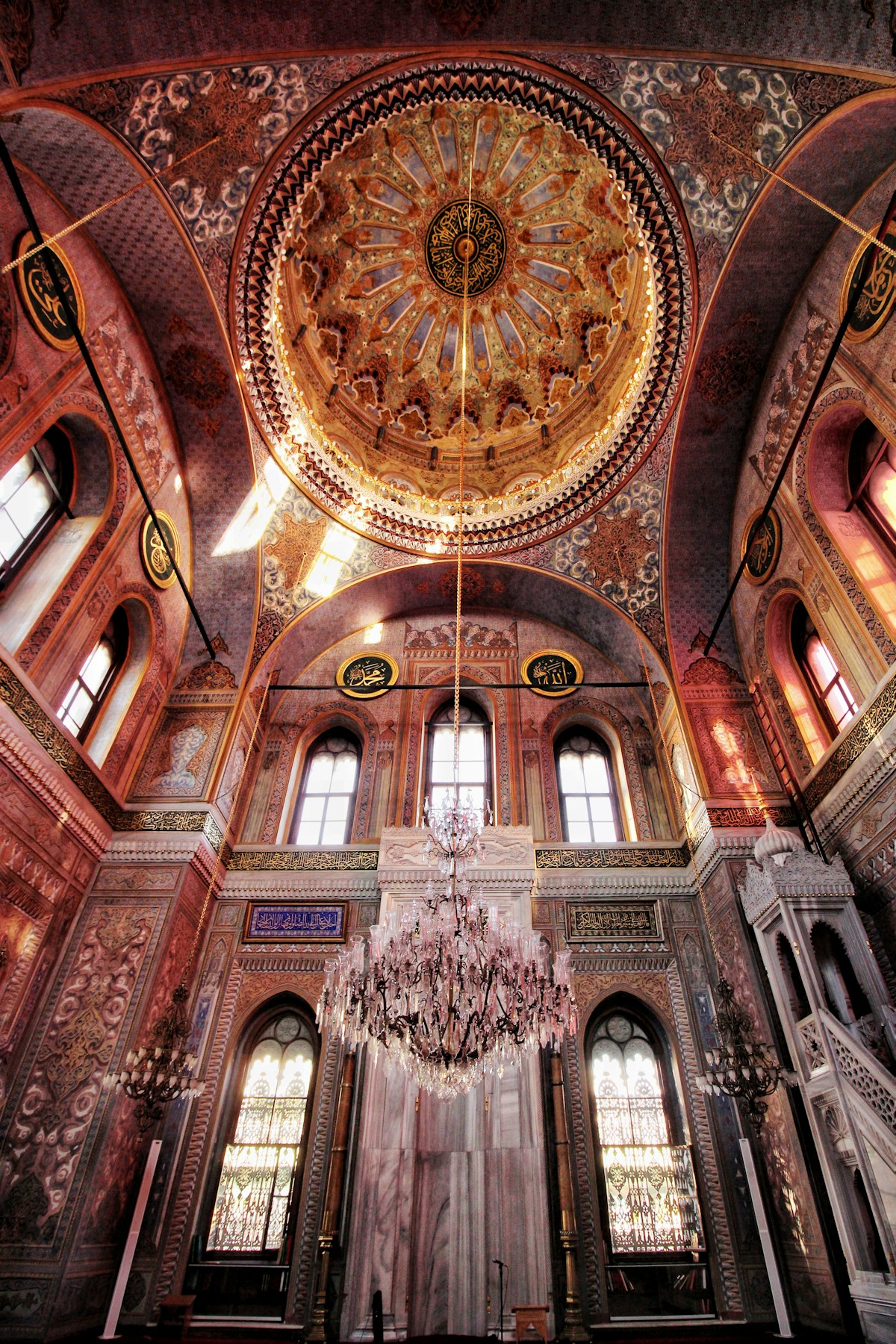
Green Mosque and Tomb (Yeşil Cami and Türbe): The masterpiece of early Ottoman architecture - the Green Mosque (1419 CE) and adjacent Green Tomb are considered the finest buildings of the early Ottoman period. The tilework, the carved stone portal, and the proportions are exceptional. Entry: free. Open daily; closed during prayer times.
Grand Mosque (Ulu Cami): The 20-domed late-14th century mosque built by Bayezid I - a monumental building with interior calligraphy panels considered some of the finest in the Islamic world. Entry: free. Open daily (closed during prayer times).
Silk Bazaar (Koza Han): The 15th-century caravanserai at the heart of Bursa’s silk trade - still operating as a commercial space for silk goods, with the courtyard and upper galleries intact. Bursa was the terminus of the Silk Road in the Ottoman period. Entry: free.
Uludağ: The “Great Mountain” rising directly above Bursa to 2,543m - the most accessible ski resort from Istanbul, and a year-round destination for cable car rides, hiking, and escape from the summer heat. Cable car (teleferik) from central Bursa to the summit: approximately ₺250–400 return as of 2026. Ski passes (winter): approximately ₺800–1,500 per day.
Bursa City Museum (Kent Müzesi): Traces Bursa’s history as the first Ottoman capital through documents, objects, and reconstructions. Entry: approximately ₺100 as of 2026. Open Tuesday–Sunday, 09:00–17:00.
Where to stay in Bursa
Hotel Kitap Evi (old city, near the Grand Mosque) is Bursa’s most characterful boutique hotel - a restored Ottoman house with 11 rooms, from approximately ₺2,500–4,500 per night as of 2026. Anatolia Hotel provides solid 4-star comfort near the bazaar district, ₺2,000–3,500. Hampton by Hilton Bursa near the otogar is the reliable business-standard choice, approximately ₺2,500–4,000. Budget guesthouses around the bazaar run ₺700–1,400 per night.
Search hotels in Bursa on Booking.com
Where to eat in Bursa
Kebapçı İskender (Atatürk Caddesi) is the restaurant of the İskender family, who invented the İskender kebab in Bursa in 1867. This remains the definitive version - thin döner meat over flatbread with tomato sauce and browned butter; full portion approximately ₺350–500 as of 2026. Çiçek İzgara is the respected mid-range alternative for Ottoman-style grills and meze, mains ₺200–400. For breakfast, Bursa’s covered bazaar district has several traditional çay bahçesi (tea gardens) and patisseries serving local walnut-filled sweets (Bursa kestanesi candied chestnuts are a specific local specialty, ₺200–400 per tin).
Çekirge - thermal baths district
Çekirge (3km west of the city centre) is Bursa’s thermal bath district - Roman-era hot springs that the Ottomans developed into a substantial hamam infrastructure. The Eski Kaplıca (Old Spring Baths), built by Sultan Murat I in the 14th century on a 3rd-century Roman foundation, is the city’s most historically significant bath; entry approximately ₺400–700 as of 2026, includes towel and kese (scrub) service. The Yeni Kaplıca (New Spring, 1553) is a comparable Ottoman hamam with a larger main pool. Several upscale thermal hotels in Çekirge (Kervansaray Termal, Çelik Palas) incorporate private bath access; room rates from approximately ₺3,500–7,000 per night as of 2026. Browse Bursa tours and activities on GetYourGuide for guided city tours combining the Silk Bazaar, Green Mosque, and Uludağ cable car.
Irgandı Bridge and the bazaar district
Bursa’s bazaar district (the area around Koza Han and Ulu Cami) is larger than most visitors realise. The Bedesten (covered jewellers’ market, 14th century) adjacent to Koza Han still operates as a gold and jewellery market. The İpek Han and the Emir Han are further Ottoman caravanserais in the same district. Irgandı Köprüsü (Irgandı Bridge), 1km east of the bazaar, is a late Ottoman arched bridge over the Gök Dere stream, with small workshops and café stalls built into the bridge structure - one of Turkey’s few inhabited Ottoman bridges.
When to visit Bursa
Best: April–June (mild 18–25°C, full green on Uludağ’s forests, silk cocoon harvest in June at Koza Han) and September–October (warm, lighter crowds). Winter (December–March): Bursa’s peak season for Uludağ skiing - ski resort hotels book up on weekends; book at least two weeks ahead. For a full guide to the slopes, lifts, and accommodation at Uludağ, see our skiing in Turkey guide. The city itself is accessible year-round. Summer: July–August is warm (28–34°C) but less oppressive than inland cities; Uludağ provides an easy cool escape.
Getting around Bursa
The city centre (Grand Mosque, Koza Han, Green Mosque) is walkable within 30 minutes. The Green Mosque is 1.5km east of the Grand Mosque - easily walked or a ₺50–60 taxi. Cable car (Teleferik): Two stages from Teferrüç to Sarıalan to the summit area of Uludağ; approximately ₺250–400 return as of 2026; runs daily 09:00–22:00 (check current schedule). Çekirge district: 5–10 minutes by taxi from the city centre (₺80–120). City buses and the Bursaray metro line (B1) connect the main districts. Mudanya ferry port (30 minutes by bus from city centre) handles the Istanbul ferry route.
Daily costs
| Category | Budget | Mid-range |
|---|---|---|
| Accommodation | ₺500–1,200 | ₺1,200–3,500 |
| Food | ₺200–380 | ₺380–700 |
| Activities | ₺100–300 | ₺300–600 |
| Transport | ₺50–120 | ₺120–300 |
| Total/day | ₺850–2,000 | ₺2,000–5,100 |
Connections
Bursa is 155km southeast of Istanbul. Connections: FastFerry (hızlı feribot) from Istanbul Yenikapı to Mudanya (75 minutes, then 30-minute bus to Bursa city - total approximately 2.5 hours; ₺200–350); intercity bus from Istanbul 3.5–4 hours; no direct train. Bursa Yenişehir Airport (BTZ) has limited domestic routes; most travellers use Istanbul airports.
- Things to do in Bursa
- Where to stay in Bursa
- Best hotels in Bursa
- Best restaurants in Bursa
- Food to try in Bursa
- Vegan food in Bursa
- Best cafes to work in Bursa
- Bursa food guide
- History of Bursa
- Hiking near Bursa
- Digital nomad in Bursa
- Day trips from Bursa
Getting there: Flights to Turkey connect via Istanbul with most European carriers. For a door-to-door arrival, pre-book an airport transfer for fixed-price, hassle-free pickup. An eSIM for Turkey activates before you land and keeps you connected from the moment you clear arrivals.
Book an experience
Top experiences in Bursa
Explore the best tours and activities in Bursa, with instant confirmation and free cancellation on most bookings.