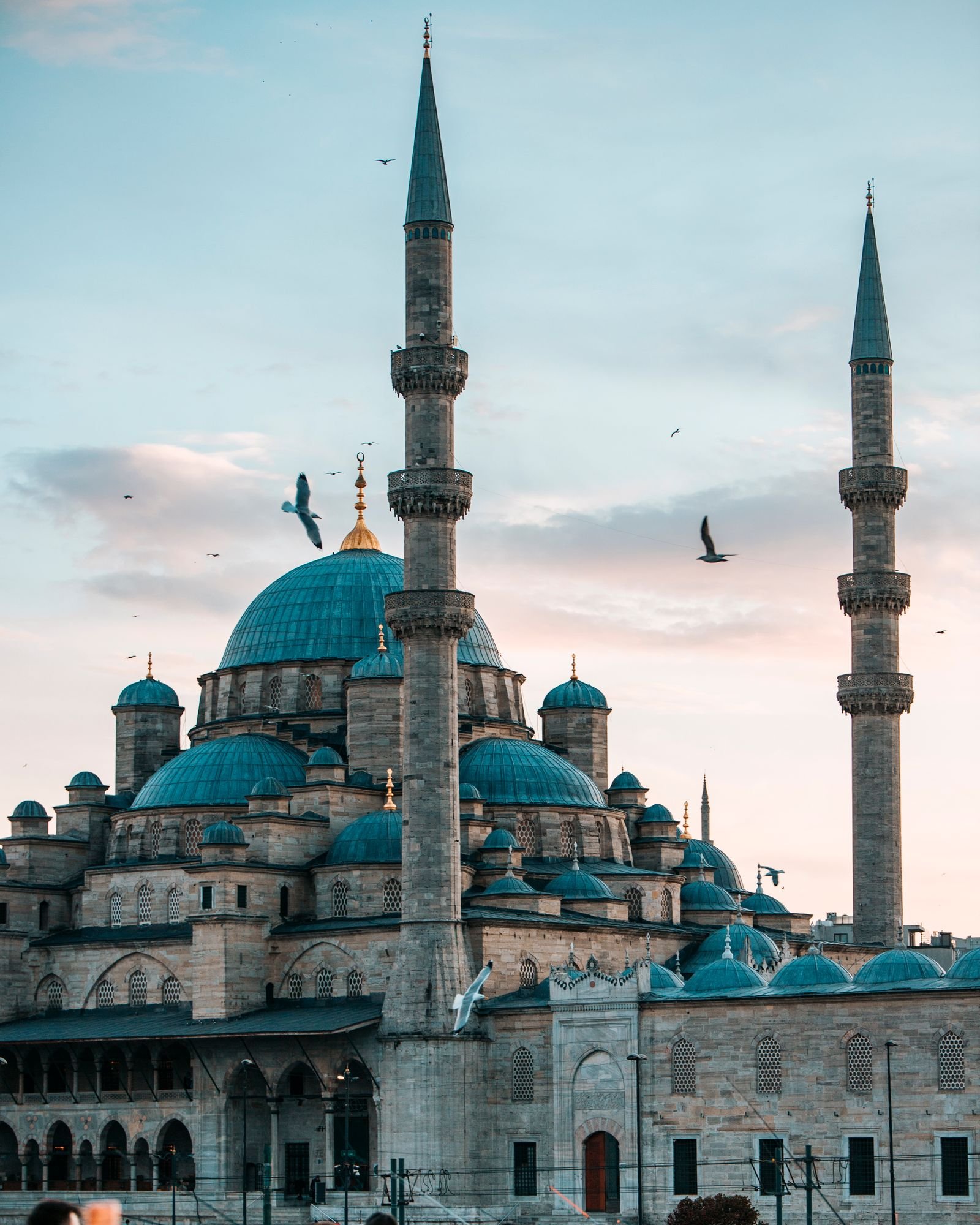
Ramadan in Turkey (Ramazan in Turkish) is the month of daytime fasting that sits between the cold of February and the first spring days of March in 2027. For visitors it is much less disruptive than many people fear. Istanbul, the resorts and the big cities keep running as normal, and the evenings take on a festive mood that is worth planning around. This guide covers the 2027 dates, what is open, the etiquette of eating in public, where to experience iftar, and an honest list of pros and cons.
Ramadan 2027 dates in Turkey
The Diyanet (Presidency of Religious Affairs) calendar puts Ramazan 2027 as follows. Islamic months follow the moon and move about 11 days earlier each year, and the date can change by a day depending on the moon sighting, so confirm shortly before you travel on the Diyanet website (opens in a new tab).
| Event | 2027 date |
|---|---|
| First day of fasting | Monday 8 February |
| Kadir Gecesi (Night of Power) | Friday 5 March |
| Last day of fasting | Monday 8 March |
| Ramazan Bayramı, eve (half day) | Monday 8 March |
| Ramazan Bayramı, days 1 to 3 | Tuesday 9 to Thursday 11 March |
Ramadan itself is not a public holiday. Ramazan Bayramı (also called Şeker Bayramı, the Sugar Feast) is, and it is the busiest travel window of the whole period. Our public holidays guide lists exactly what closes on those days and how to avoid the worst of the disruption.
Because the fast starts at dawn and ends at sunset, the daily rhythm in this season is roughly: sahur (the pre-dawn meal) before sunrise, a quiet day, and iftar at sunset. In Istanbul that is around 17:50 to 18:40 across the month, with local times published in the Diyanet calendar and on the daily ezan announcements.
What is open and what is closed
Istanbul, Ankara, Izmir and the resorts carry on almost exactly as normal. Hagia Sophia, Topkapı Palace, the Basilica Cistern, museums and shopping streets keep their usual hours. Most restaurants, cafés and bars in tourist districts such as Sultanahmet, Beyoğlu, Karaköy and Kadıköy serve all day.
Smaller and more conservative towns are quieter. Some local restaurants, especially those serving mainly the local community in central and eastern Anatolia, close during the day and reopen shortly before iftar. Hotels and tourist-facing restaurants still serve guests, but options for a daytime lunch can be thinner in places like Konya or Şanlıurfa. Plan to eat at your hotel or a tourist-oriented spot if you are hungry at midday.
Around iftar, roughly the half hour either side of sunset, many local restaurants fill up fast and service slows. Book ahead or eat earlier or later. Streets empty briefly as people sit down to break the fast, then refill. Traffic and public transport are heavy in the late afternoon as everyone heads home.
Bayram days are different. During Ramazan Bayramı the Grand Bazaar and many shops close for a few days, and intercity buses and domestic flights sell out. See the public holidays guide for details.
Eating, drinking and smoking in public
There is no law preventing non-Muslims, or anyone else, from eating, drinking or smoking during the day in Turkey. Turkish society is mixed, and many Turks do not fast. Still, courtesy goes a long way:
- In tourist areas and resorts, eat and drink as you normally would.
- In conservative neighbourhoods and small towns, eat inside rather than on the street, and avoid walking along with a drink or snack.
- If you are invited to iftar, wait until the call to prayer to start eating. Dates and water usually come first, then soup, then the main meal.
- Do not offer food or drink to someone who is fasting. Just ask if they would like to join you later.
Alcohol is legal and licensed venues in tourist areas serve it throughout. Some traditional or religiously-run venues stop serving during the month. See our Turkish etiquette and customs guide for the wider rules on dress and behaviour.
Iftar in Istanbul and the Ramadan atmosphere
The evenings are the reason to be in Turkey during Ramazan.
- Sultanahmet and the Old City: Sultanahmet Square traditionally hosts a Ramadan programme in the evenings, with food stalls, music and sweets, and the minarets of major mosques are strung with mahya, illuminated messages hung between the minarets. The Süleymaniye and Sultanahmet mosques are among the best places to see mahya after dark. Programmes change each year, so check the Istanbul municipality’s announcements before you go.
- Eminönü and the Spice Bazaar area: Busy with shoppers buying iftar food and sweets in the late afternoon. Our Spice Bazaar guide covers opening hours and what to buy.
- Ramazan pidesi: a puffy, round, sesame-topped flatbread baked only during the month and sold fresh from bakeries around sunset. Queues form outside local bakeries before iftar.
- Iftar menus: many hotels and restaurants in Istanbul offer a fixed-price iftar menu during the month. Prices vary widely by venue and year, so check with the venue and book ahead.
- Street iftar tables: municipalities and charities set up long communal tables for free iftar meals in public squares. These are meant for those in need and for the community, so do not treat them as a tourist attraction unless you are invited.
For a guided introduction to Istanbul’s food, see food tours in Istanbul that run through the month, and check each operator’s iftar and opening arrangements when you book.
The davulcu drummers
One of the most distinctive Ramazan sounds is the davulcu, a drummer who walks the streets in the small hours to wake people for sahur. The tradition is centuries old, and it survives in many Istanbul neighbourhoods and across the country. If you are staying in a residential area, expect to hear drumming roughly two to three hours before dawn. Most visitors find it charming once. If you are a light sleeper, choose a hotel in a modern tourist area or ask the hotel whether the street is on a drummer’s route. Our Istanbul hotel guide links to current listings and prices.
Visiting mosques during Ramadan
Mosques stay open to visitors outside prayer times, and the usual rules apply: covered shoulders and knees, covered hair for women and no shoes inside. During Ramazan they are busier, especially for the evening teravih prayers after the last daily prayer and around Kadir Gecesi on 5 March 2027, when many people stay late. Expect some mosques to limit tourist visits at these times. Visit in the morning or early afternoon for the best chance of a quiet interior, and always respect people who are praying.
Pros and cons for tourists
Pros
- Fewer crowds at major sights and lower hotel prices than in spring and summer.
- A festive atmosphere after sunset, with illuminated minarets, special foods and a strong sense of community.
- Cool weather that suits city sightseeing, though February can be wet. See Turkey in February and Turkey in March for what to expect on the ground.
Cons
- Some local restaurants in smaller towns close during the day.
- Evenings around iftar are busy, and service can be slow.
- Street drummers may wake you before dawn.
- Bayram week at the end of the month brings closures, sold-out transport and higher prices.
Planning tips
- Book Bayram-week flights, buses and hotels as early as possible. Our public holidays guide explains the pressure points.
- Keep an afternoon snack in your bag in smaller towns.
- Carry small amounts of local cash for bakery and stall purchases around iftar.
- Dress a little more conservatively than usual outside resort areas.
- If you are fasting yourself, most hotels will provide an early sahur meal on request.