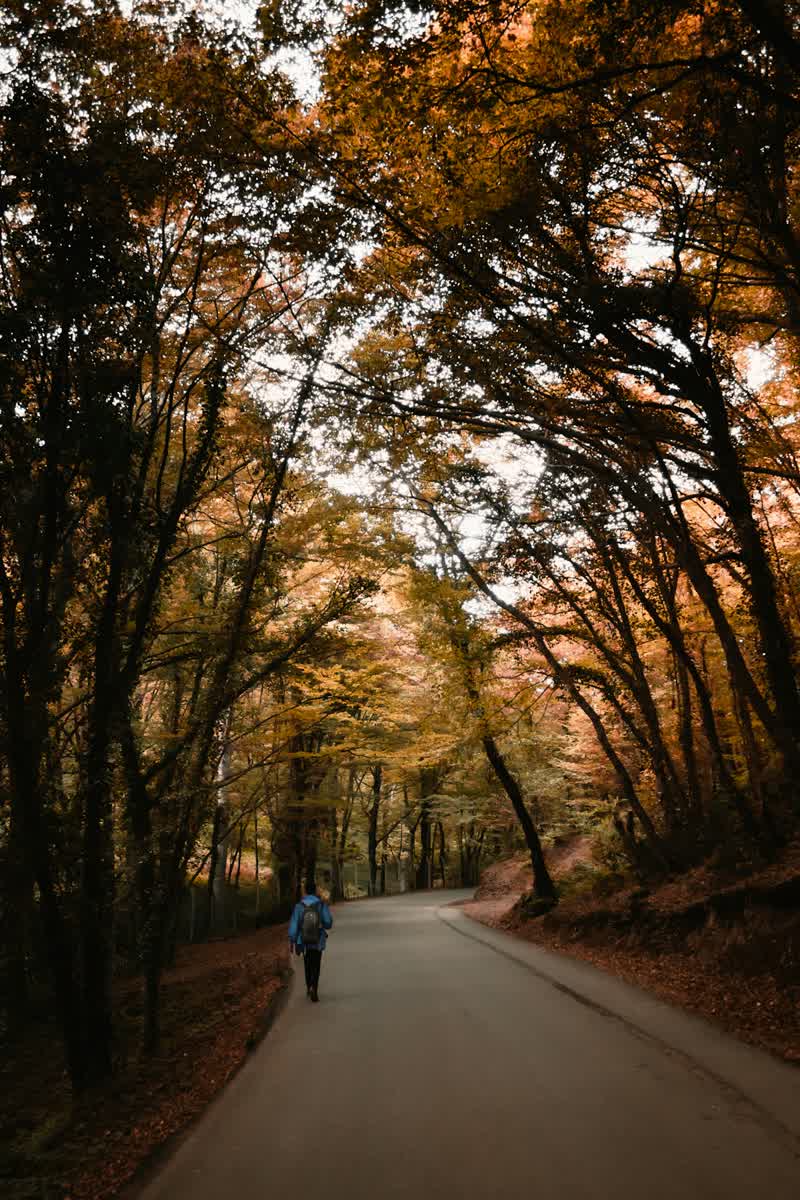
March marks the transition from winter to spring across Turkey. Istanbul sheds its grey winter coat, the Aegean coast wakes up for the new season, and Cappadocia emerges from snow into a landscape of wildflowers and green valleys. Prices remain well below peak, and the major sites are blissfully uncrowded.
Weather by Region
Istanbul: 7–14°C with increasing sunshine as the month progresses. Rain is still common in early March but less persistent than January and February. By late March, outdoor cafe terraces in Karakoy and along the Bosphorus begin reopening. The first cherry blossoms appear in parks across the city.
Cappadocia: 2–12°C with a rapid transition. Early March can still see snow on the ground, but by mid-month the thaw is well underway. Valley trails can be muddy through the first half. By late March, the Rose Valley and Love Valley are green and walkable. Balloon flight reliability improves significantly compared to winter months - expect flights on roughly 60–70% of mornings.
Aegean coast (Bodrum, Kusadasi, Ephesus): 14–19°C, increasingly dry and sunny. The first restaurants and hotels begin reopening for the season. This is an excellent window for visiting Ephesus - warm enough for comfortable walking, cool enough to spend hours exploring without heat stress, and far emptier than any month from May to October.
Mediterranean coast (Antalya): 15–20°C. The first beach visitors arrive by late March, though swimming is still cold for most people (sea temperature around 17°C). The Lycian Way hiking trail is in prime condition - wildflowers are blooming and temperatures are ideal for long walks.
Eastern Turkey: Still cold at altitude but warming. The snow begins retreating from lower elevations. Not yet practical for casual tourism outside the main cities.
Istanbul in March
March is arguably Istanbul’s best-value month. The weather is improving, the crowds have not yet arrived, and hotel prices remain at winter levels. The city’s parks and gardens begin their spring transformation - Emirgan Park on the Bosphorus and Gulhane Park next to Topkapi Palace show the first blooms.
The Bosphorus ferry rides become more appealing as the days lengthen and the weather improves. The Kadikoy fish market on the Asian side is excellent year-round but particularly enjoyable in spring, when the stalls are laden with seasonal produce and the crowds are local rather than touristic.
Cappadocia in March
The snow that creates January and February’s dramatic landscapes gives way to spring green. By mid-March, the valleys are accessible for hiking without ice or heavy mud. Balloon flights become more reliable, and prices begin their climb toward peak-season rates but remain below the April–May and September–October highs.
The Mesir Macunu (Mesir Paste) Festival takes place in nearby Manisa (about 5 hours west of Cappadocia, near Izmir) in late March. This centuries-old Ottoman tradition involves throwing spiced paste sweets from the dome of the Sultan Mosque. It is one of Turkey’s most distinctive regional festivals and has UNESCO Intangible Cultural Heritage status.
The Turkish Coast in March
The coast is in pre-season mode. Bodrum and Marmaris begin welcoming the first visitors, with boutique hotels and local restaurants opening ahead of the main tourist operators. Boat trips and water sports are not yet running in most places.
March is the ideal month for archaeological sightseeing along the coast. Ephesus, Hierapolis (at Pamukkale), Pergamon, and Aphrodisias are all accessible in comfortable temperatures. Walking these vast sites in summer heat is exhausting - in March, you can spend a full day exploring without discomfort.
Pamukkale’s travertine terraces are less crowded in March than at any point from April to November. The warm thermal pools are particularly enjoyable on cooler March days.
Festivals and Events
The Mesir Macunu Festival in Manisa (late March, sometimes early April depending on the year) is the month’s standout event. Nevruz (Nowruz), the spring equinox celebration, is observed on March 21 across parts of eastern and southeastern Turkey with bonfires, traditional music, and community gatherings.
Costs and Crowds
March is shoulder season with prices rising only slightly from the winter low. Domestic flights remain affordable. Cappadocia hotels are transitioning from winter to spring rates - early March is still cheap, while late March approaches shoulder pricing. Istanbul hotels remain well below their May–October rates. The Aegean coast, just opening for the season, offers some of the year’s best deals at properties eager to fill early bookings.
For destination-specific guidance: Istanbul, Cappadocia, İzmir. See our best time to visit Turkey for the full year picture.
Adjacent months: Turkey in February · Turkey in April · Best time to visit Cappadocia
Planning your visit: Compare flights to Turkey early if you’re travelling in peak season (July–August) - prices climb steeply in the final weeks. Travel insurance covering cancellation and medical costs is straightforward to arrange at the same time.
Plan Your Trip
✈️ Book your flights to Türkiye 🛡️ Get travel insurance 📱 Stay connected with an eSIM 🚗 Rent a car