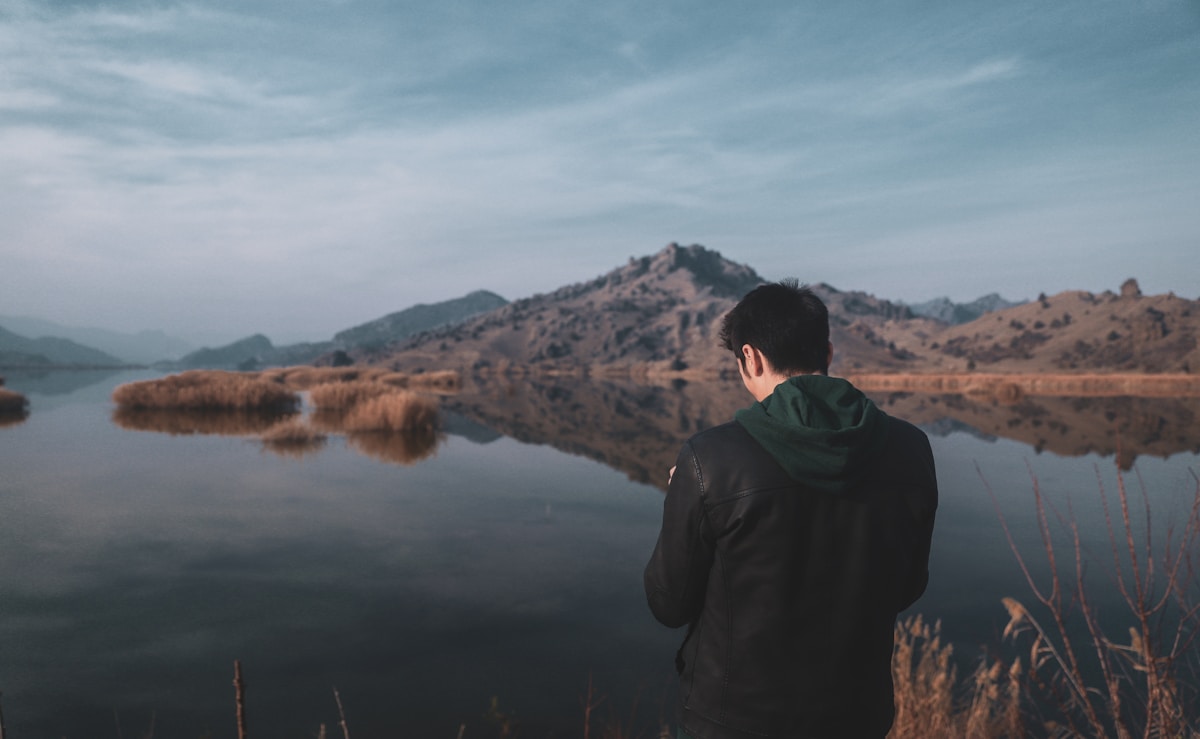
Lake Van is Turkey’s largest lake and one of the most chemically unusual bodies of water on earth. At 1,640 metres above sea level, covering 3,755 km², with a pH of approximately 9.8 - highly alkaline, slightly salty - the lake has a quality of colour that photographs struggle to capture: turquoise-blue in summer light, shifting to grey-silver under cloud. Van city, on the eastern shore, is the base for visiting the lake’s defining sight - Akdamar Island and its 10th-century Armenian church.
Getting to Van
By air: Van Ferit Melen Airport (VAN) is served by Turkish Airlines and Pegasus from Istanbul (approximately 2 hours) and several other Turkish cities. Fares from approximately ₺500–1,600 one-way as of 2026. The airport is 5 km from Van city centre; taxis to the city cost approximately ₺100–150.
By bus: From Doğubayazıt, approximately 170 km (2.5 hours, ₺150–250 as of 2026). From Kars, approximately 385 km via Ağrı and Doğubayazıt (5–6 hours, ₺300–450) - this route allows a stop at Ishak Pasha Palace en route.
By road: The D300 lake road runs along the southern shore of Lake Van connecting Van to Tatvan; the drive is approximately 150 km and takes around 2 hours in good conditions. Renting a car in Turkey gives the most flexibility for exploring the lake shore at your own pace. The northern shore road is less developed.
Akdamar Island and the Church of the Holy Cross
This is the reason most international visitors come to Van. Akdamar Island (Akdamar Adası) sits 3 km offshore in Lake Van, carrying the Church of the Holy Cross (Akdamar Kilisesi, also called the Cathedral of the Holy Cross), built in 915–921 AD by the Armenian King Gagik I of Vaspurakan.
The church is small - approximately 15 metres long - but its exterior bas-relief carvings are extraordinary. The south, east, and west facades are covered in carved panels depicting scenes from the Old Testament: Adam and Eve in the Garden of Eden, Jonah and the whale, David and Goliath, the sacrifice of Abraham, hunting and animal friezes. The carving quality is among the finest Armenian stone work to survive from this period. The church itself is a cross-in-square plan with a conical drum and dome; the structural integrity has been maintained despite 1,100 years and multiple earthquakes.
Recent history: The church was deconsecrated and converted to a museum during the 20th century. It reopened for Armenian Christian services in 2010 - the first liturgy held there in 95 years - and has hosted annual services since. The symbolic weight of this reconnection is significant for Armenian visitors.
Ferry schedule: Boats depart from the dock near Gevaş village, approximately 40 km west of Van on the D300 road. In peak summer, ferries run roughly every 2 hours from approximately 09:00; the crossing takes 20–30 minutes. The combined boat and island entry ticket costs approximately ₺150–200 per person as of 2026. The last return ferry is usually around 17:00–18:00 - confirm on-site as schedules vary by season and demand.
Getting to Gevaş ferry dock: From Van city, take a dolmuş from Cumhuriyet Caddesi towards Tatvan (ask for the Akdamar iskele stop, approximately ₺30–50 one way); or hire a taxi for approximately ₺600–800 return including waiting time. A combined taxi from Van to the dock, wait for your island visit, and return to Van is the most practical option if you are not on a tour.
Allow: 2–3 hours on the island and at the dock. The island itself is small; the church visit takes 45–60 minutes. Allow time to walk the island perimeter for lake views.
Van Kalesi (Van Castle)
Van Castle sits on a 2 km-long volcanic rock formation above the lake shore, 5 km west of the modern city centre. It was the centre of the ancient Urartian kingdom (9th–7th century BC) - one of the most powerful states of the ancient Near East - and was subsequently occupied by the Medes, Persians, Romans, Byzantines, Arabs, and Ottomans.
What to see: The rock face below the castle is carved with Urartian cuneiform inscriptions - the Argishti Annals, recording the campaigns of Urartian King Argishti I (8th century BC). The castle walls and towers date from the Ottoman period. Below the rock, the ruins of ancient Van city - destroyed in 1915 and 1918 - are visible.
Entry and hours: Free entry as of 2026. Open approximately 08:00–20:00 in summer. Taxi from Van city approximately ₺80–120 return.
Combining with Akdamar: Both can be done in a single day from Van - Van Kalesi in the morning (1–2 hours), then continue west along the D300 to the Gevaş ferry dock for Akdamar in the afternoon. A taxi doing both costs approximately ₺900–1,200 for the day as of 2026 depending on waiting time; negotiate the full package before departure.
Van breakfast
The Van breakfast (Van kahvaltısı) has become one of Turkey’s most discussed regional food traditions. It is not a single dish but a spread: typically 15–25 small dishes covering the table, eaten slowly over 1–2 hours. The standard components include:
- Van otlu peyniri - white cheese pressed with fresh highland herbs (mint, cress, spring onion), distinctive to this region
- Tereyağı - butter, usually from highland cattle
- Bal - honey, often local highland variety
- Kaymak - clotted cream
- Yumurta - eggs, scrambled or fried
- Domates, salatalık - tomatoes and cucumber
- Çeşitli zeytinler - multiple olive varieties
- Herb plates, pickled vegetables, sausage (sucuk), and fresh bread
The best Van breakfast restaurants cluster on Cumhuriyet Caddesi and around the Ulu Cami. Budget approximately ₺150–250 per person as of 2026. Go late morning (09:30–11:00) - the spread is prepared fresh and restaurants hit their stride after the initial opening rush.
Lake Van swimming
The lake’s alkalinity makes swimming a distinctive experience - the water has a silky quality from the dissolved minerals and a natural buoyancy. In July and August, surface water temperatures reach 20–22°C. The most accessible swimming spots are on the southern shore between Gevaş and Tatvan; some beaches charge a small entry fee (approximately ₺30–50 as of 2026). Note that the alkalinity means no freshwater fish live in the lake.
Van cat (Van kedisi)
The Van cat is one of Turkey’s most distinctive cat breeds - typically white, often with differently-coloured eyes (heterochromia, one blue and one amber or green), and with a reputation for enjoying water that is unusual for cats. The Van Cat Research Centre at Van Yüzüncü Yıl University maintains a colony; the university’s cat house is open to visitors. Entry is free; the campus is approximately 4 km from Van city centre.
Where to stay in Van
Büyük Urartu Hotel - The most established full-service hotel in Van, with lake views from upper floors, a restaurant, and good conference facilities. A reliable choice for western visitors who want familiar standards. Approximately ₺2,000–3,500/night as of 2026.
Merit Halley Hotel - Well-regarded mid-range option near the city centre, with a restaurant and bar. Staff are helpful with Akdamar tour arrangements. Approximately ₺1,500–2,200/night.
Bayram Hotel - Comfortable mid-range hotel, well-reviewed for breakfast and central location. Approximately ₺1,000–1,500/night.
Elit Otel - Reliable budget option near the city centre, consistently recommended for value. Approximately ₺700–1,100/night.
Tamara Hotel - Budget option with clean rooms and a straightforward breakfast. Approximately ₺600–900/night.
Search hotels in Turkey on Booking.com
From Van: onward connections
- Doğubayazıt and Ishak Pasha Palace: 170 km northwest of Van (2.5 hours by road). A natural addition to any Van trip - see our Doğubayazıt guide.
- Kars and Ani ruins: 385 km north (5–6 hours by road, via Ağrı). Doğubayazıt makes a natural stop on this route.
- Eastern Turkey itinerary: See our 5-day eastern Turkey route for the full Kars–Doğubayazıt–Van circuit.
- Şanlıurfa and Göbekli Tepe: Southwest of Van, approximately 8–9 hours by bus or a 1-hour flight. See our Şanlıurfa guide for details.