Şanlıurfa Travel Guide: Göbeklitepe, Abraham's Pool &
Sanliurfa guide covers Gobeklitepe (9,600 BCE, UNESCO), the sacred Balikligol pool, the bazaar district and transport from western Turkey.
Guides for Sanliurfa
Few Turkish cities carry the weight of history that Şanlıurfa does. Known simply as Urfa by most Turks, this city in southeastern Turkey sits close to the Syrian border and traces its heritage back to the Neolithic period - and perhaps beyond. It is the closest city to Göbeklitepe, the archaeological site that rewrote our understanding of human civilisation, and it is considered the birthplace of the Prophet Abraham in Islamic and local Christian tradition. Add a functioning ancient bazaar, a sacred fish pool surrounded by mosque gardens, and one of Turkey’s best archaeological museums, and Urfa makes a compelling case for an independent trip rather than a side note on a broader itinerary.
Why Şanlıurfa Deserves Its Own Trip
Most visitors to Turkey never make it east of Cappadocia or Gaziantep. That oversight is significant, because the southeast holds some of the most historically consequential places on earth. Göbeklitepe, 25km outside Şanlıurfa, is the world’s oldest known temple complex - built around 9,600 BCE, roughly 6,000 years before Stonehenge and 7,000 years before the construction of the Pyramids. It is not an exaggeration to say that Göbeklitepe fundamentally changed what archaeologists believed was possible before the advent of agriculture.
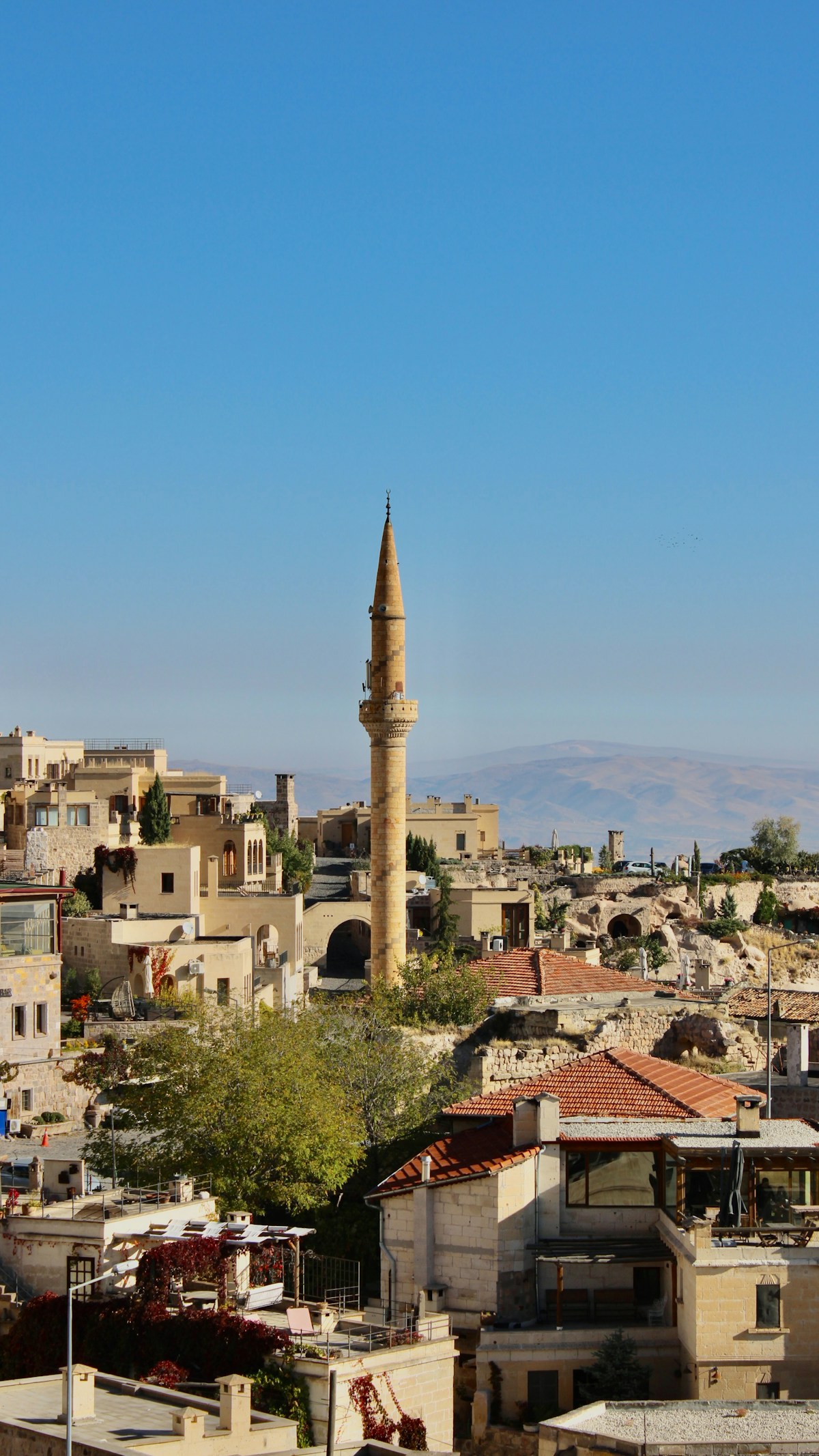
The city itself, beyond being the gateway to Göbeklitepe, has a character unlike anywhere else in Turkey. The stone buildings, the call to prayer echoing through the old town, the men drinking tea beside the sacred fish pools, the coppersmiths in the covered bazaar - Urfa has remained largely free of the resort development that has reshaped the coast. It is a working city with deep religious significance and a genuinely distinctive cuisine.
Getting to Şanlıurfa
By air: GAP Airport (GNY) receives flights from Istanbul (approximately 2 hours, served by Turkish Airlines and Pegasus), Ankara, and Izmir. The airport is around 35km from the city centre; taxis take approximately 40 minutes and cost approximately ₺300–450 as of 2026.
By bus: Regular intercity coaches connect Şanlıurfa with Gaziantep (approximately 1.5 hours), Adıyaman (approximately 2 hours), Diyarbakır (approximately 2 hours), and Ankara (overnight, approximately 12 hours). The otogar (bus station) is east of the city centre; taxis to the hotel district near Gölbaşı take around 15 minutes.
By rail: There is no direct high-speed rail connection to Şanlıurfa. A conventional rail line connects Gaziantep to the region but journey times are long; flying or taking a bus from Gaziantep is more practical.
When to Go
April–May and September–October are the optimal windows. Temperatures in spring sit between 20–28°C, the archaeological sites are manageable, and the city gardens around Balikligol are at their best. Autumn brings cooler evenings and lighter crowds after the summer peak.
Summer (June–August) sees temperatures routinely above 40°C, sometimes reaching 45°C. Göbeklitepe is an exposed hillside with limited shade; visiting in midsummer without an early-morning start is genuinely uncomfortable and potentially unsafe without adequate water and sun protection.
Winter (December–February) is mild by Turkish standards but can be cold and overcast. The sites remain open, crowds are minimal, and hotel rates drop significantly.
Where to Stay
Most accommodation clusters around the Gölbaşı district - the area immediately surrounding the fish pools - which puts guests within easy walking distance of the bazaar, the fortress, and the main museums.
Hotel Harran is a reliable mid-range option in the city centre, with rooms running approximately ₺800–1,500 per night as of 2026. It is well positioned for exploring on foot and staff are accustomed to assisting with Göbeklitepe logistics.
Manici Hotel sits close to the Gölbaşı gardens and offers comfortable rooms in the ₺1,200–2,000 range. The location beside the fish pools means the morning walk into the old city takes only a few minutes.
Uğur Han is a smaller property with a more traditional character, priced in the budget-to-mid range.
For a more atmospheric stay, a handful of stone-house guesthouses in the older parts of the city offer rooms carved from the same honey-coloured limestone as the surrounding buildings, typically in the ₺600–1,200 range.
Search hotels in Sanliurfa on Booking.com
What to See in Şanlıurfa
Balikligol - The Pool of Abraham
Balikligol is the centrepiece of the city and one of the most unusual sacred sites in Turkey. The large rectangular pool is filled with carp - hundreds of them - that are considered sacred. According to Islamic tradition, Nimrod ordered Abraham to be thrown into a fire at this spot; God turned the fire to water and the burning logs to fish. Catching or harming the fish is strictly forbidden, and the tradition is taken seriously by locals. The park surrounding the pool is free to enter and connects to the adjacent Ayn-Zelha pond, the Dergah Mosque complex, and the Halil-ür Rahman Mosque. It is an active place of pilgrimage and reflection, busy at all hours.
Şanlıurfa Bazaar (Kapalı Çarşı)
The covered bazaar stretching north from Gölbaşı is one of the most authentic in Turkey - not staged for tourists but a functioning commercial district where copper workers, spice merchants, and textile traders occupy the same lanes they have used for generations. The Gümrük Hanı (Customs Inn) is the heart of the textile and carpet section. Plan to spend at least an hour walking the lanes; the spice section alone - stacked with isot pepper, sumac, and dried herbs - is worth the trip. Browse Şanlıurfa tours and activities on GetYourGuide for guided Göbeklitepe day tours, Balikligol visits, and combined itineraries covering Harran’s beehive houses.
Urfa Fortress
The fortress on the hill above the city dates to Roman and Byzantine construction with later additions by Crusader and Islamic rulers. The walk up rewards with panoramic views over the fish pools, the minarets, and the stone city below. Entry is free and the walk takes around 20 minutes from the bazaar.
Şanlıurfa Archaeological Museum
One of Turkey’s most important provincial museums holds the finds from Göbeklitepe and the surrounding Neolithic sites. The highlight is the Urfa Man - a 1.87-metre-tall limestone statue dating to approximately 9,000 BCE, considered the world’s oldest known life-size human statue. The museum also displays T-shaped pillars from Göbeklitepe with animal carvings, obsidian tools, and objects from the Bronze Age settlements of the region. Entry is approximately ₺200 as of 2026; allow a minimum of two hours.
Göbeklitepe
The archaeological site is covered in detail in our Göbeklitepe guide and our things to do guide, but in brief: Göbeklitepe is 25km from the city, receives visitors daily from 8am, and requires at least 2–3 hours. Entry is approximately ₺300–500 as of 2026. Guided tours from the city provide essential context that is difficult to get independently from the on-site signage alone.
Day Trips from Şanlıurfa
Harran (50km south)
Harran is among the oldest continuously inhabited settlements in the world - mentioned in the Book of Genesis as the place where Abraham lived before travelling to Canaan. The site is famous for its extraordinary beehive houses, some still occupied, whose distinctive conical mudbrick domes are unlike any other vernacular architecture in Turkey. The ruins of the ancient city walls, the Ulu Cami (one of the oldest mosques in Anatolia), and Harran University - a medieval Islamic centre of learning - are spread across the site. Minibuses depart from Şanlıurfa’s otogar; the fare is approximately ₺30–40 each way as of 2026.
Karahan Tepe (approximately 50km southeast of Şanlıurfa)
A newer and less-visited Neolithic site in the same “Taş Tepeler” (Stone Hills) network as Göbeklitepe. Excavations have revealed pillars with more explicit human figures than those at Göbeklitepe, including carved faces and a hall of penis-topped pillars that archaeologists believe held ritual significance. The site is accessible by car - rent a car in Turkey to combine Karahan Tepe with a Göbeklitepe visit in a single day for anyone spending two or more days in the region.
Food and Drink
Urfa has one of Turkey’s most distinctive regional cuisines. The cig köfte here is the original version - made with raw minced meat mixed with bulgur, isot pepper, and spices - unlike the vegetarian version now widely sold across Turkey. Not all restaurants serve it; ask locally for a traditional meyhane or lokanta that still prepares the original.
Urfa kebap is distinguished by its use of isot (a smoky, dark Urfa chilli pepper) and fresh sumac onions served alongside. Lahmacun, katmer (a layered pastry with cream and pistachios), and çiğ köfte are all staples. The tea garden culture around Balikligol means you will rarely need to go far for a glass of tea and somewhere to sit.
Getting Around
The core of Şanlıurfa - Gölbaşı, the bazaar, the fortress, and the museums - is walkable. For Göbeklitepe and Harran, taxis are the most practical option; negotiate a fare upfront that includes waiting time. Shared minibuses (dolmuşes) run to nearby towns including Harran from the otogar.
Budget Guide
A mid-range day in Şanlıurfa - comfortable hotel, three meals at local restaurants, museum entry, and a taxi to Göbeklitepe - runs approximately ₺1,200–2,500 per person as of 2026. Budget travellers staying in guesthouses and eating at lokantas can manage on ₺700–1,000 per day. The city itself is considerably more affordable than Istanbul or the Aegean coast.
Nearby and Onward Destinations
Şanlıurfa is a natural base for southeast Turkey. Mardin is 165km west - an extraordinary honey-coloured hilltop city above the Mesopotamian plain, often combined with Urfa on a southeast circuit. Gaziantep (145km northwest) is Turkey’s food capital. For the broader context of travelling in the southeast, see our eastern Turkey guide.
Getting there: Flights to Turkey connect via Istanbul with most European carriers. For a door-to-door arrival, pre-book an airport transfer for fixed-price, hassle-free pickup. An eSIM for Turkey activates before you land and keeps you connected from the moment you clear arrivals.
See also: Mardin travel guide · Gaziantep travel guide · Eastern Turkey guide · Turkey travel costs
Book an experience
Top experiences in Sanliurfa
Explore the best tours and activities in Sanliurfa, with instant confirmation and free cancellation on most bookings.
Find hotels in Sanliurfa
Explore accommodation in Sanliurfa →We earn a small commission at no cost to you.