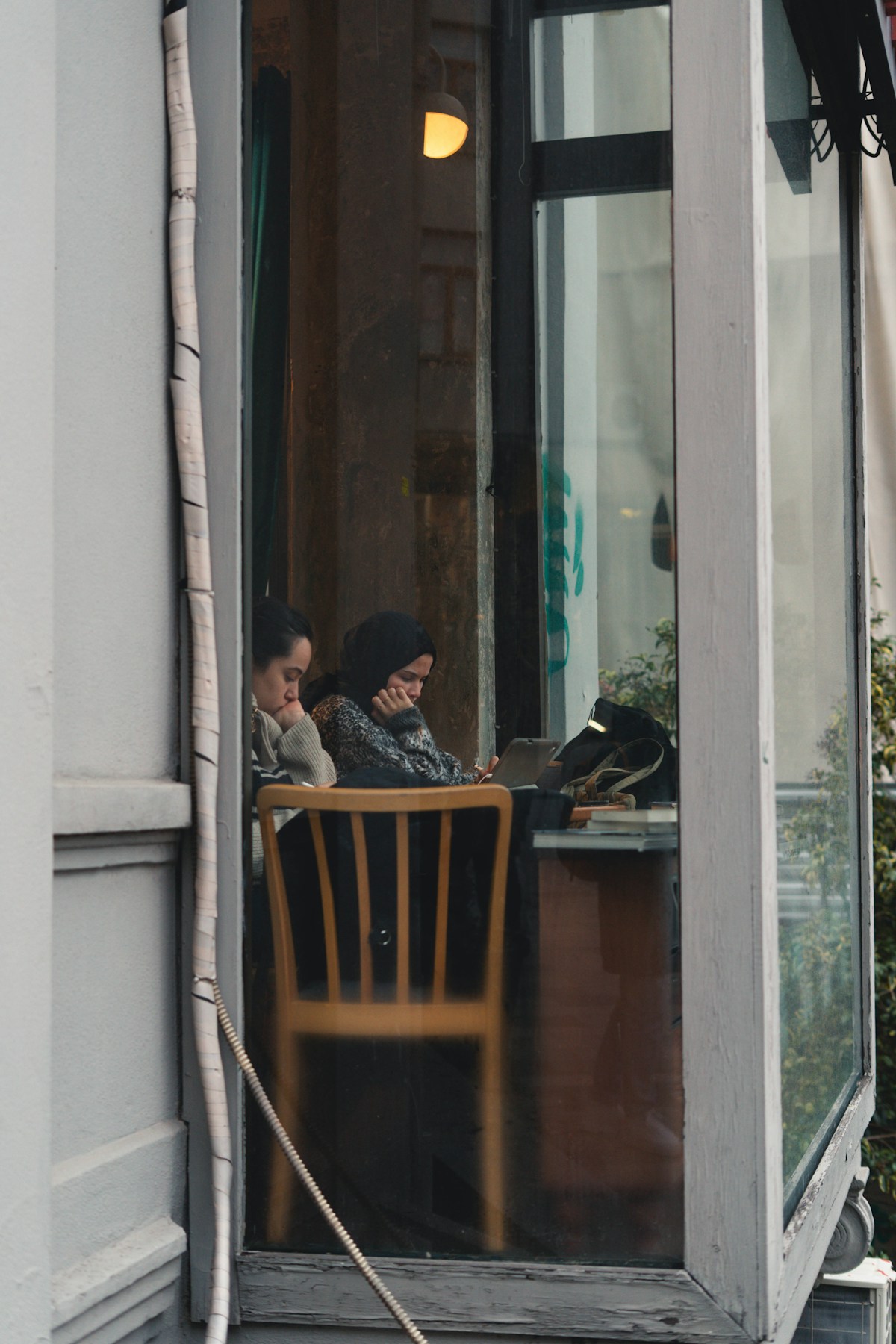
Turkey launched its e-Nomad (Remote Work) Visa in 2023, making it one of the more accessible remote-work visa programmes in the region. Combined with Istanbul’s coworking infrastructure, reasonable cost of living relative to Western Europe, and direct flights to most major hubs, Turkey has become a genuine option for remote workers spending 1–12 months in one place.
What is the Turkey e-Nomad Visa?
The e-Nomad Visa (officially the “Remote Working Visa” or “e-Nomad Visa”) is a residence permit category that allows foreign nationals to live in Turkey while working remotely for employers or clients outside Turkey. It differs from the standard tourist e-Visa, which technically does not authorise remote work, and from a work permit, which requires a Turkish employer.
Duration: Initially issued for 1 year, renewable.
What it permits: Legal residence in Turkey while earning income from foreign sources. It does not give the right to work for a Turkish employer or provide services to Turkish clients (that requires a work permit).
What it does not provide: Access to the state health system (SGK), Turkish pension contributions, or Turkish employment protections.
Who Can Apply
The e-Nomad Visa is available to:
- Employees of foreign companies working remotely (with a letter from employer confirming remote work arrangement)
- Self-employed individuals and freelancers with foreign clients
- Business owners whose company is registered outside Turkey
Income requirements: Applicants must demonstrate sufficient income to support themselves in Turkey without needing Turkish employment. The threshold guidance (verify with the Turkish consulate in your country as this may update) is generally USD 2,000–3,000 per month equivalent in provable income.
Required documents (as of 2026 - verify with your consulate):
- Valid passport (minimum 12 months validity beyond visa period)
- Proof of income: bank statements, employer letter, or client contracts
- Proof of health insurance covering Turkey
- Proof of accommodation in Turkey (rental agreement or hotel booking)
- Application form and photo
How to Apply
Applications are submitted through the Turkish consulate or embassy in your home country - there is no fully online-only process as of 2026. Some consulates have moved initial applications online with an in-person appointment for biometrics.
- Gather all documents (allow 2–3 weeks to collect bank statements, employer letters, insurance certificates)
- Book a consulate appointment - popular consulates in London, Berlin, and New York book 2–4 weeks ahead
- Attend appointment with complete document set
- Pay the visa fee (approximately USD 50–120 depending on nationality and consulate - verify current fee schedule at your nearest Turkish consulate)
- Await approval, typically 3–10 business days
After arrival: Register your address with the local Nüfus Müdürlüğü (Population Directorate) within 30 days. This is a legal requirement for all long-term residents; coworking spaces and expat communities can advise on the process.
Cost of Living in Turkey for Nomads
Turkey experienced high inflation in 2022–2024, which compressed real purchasing power for locals significantly. For nomads earning in USD, EUR, or GBP, the exchange rate continues to provide a meaningful cost advantage over Western Europe.
Monthly cost estimates (Istanbul, 2026):
| Category | Budget Option | Mid-Range |
|---|---|---|
| Furnished studio rent | ₺14,000–18,000 | ₺20,000–28,000 |
| Coworking (daily pass) | ₺200–350 | ₺350–600 |
| Groceries | ₺6,000–8,000 | ₺8,000–12,000 |
| Dining out (3x/week) | ₺2,000–3,500 | ₺3,500–6,000 |
| Public transport (Istanbulkart) | ₺600–1,000 | ₺600–1,000 |
| Mobile data (SIM) | ₺250–350 | ₺250–350 |
| Total (approx.) | ₺23,000–31,000 | ₺32,000–48,000 |
At the approximate 2026 exchange rate of ₺32/USD, the mid-range estimate runs USD 1,000–1,500 per month. Ankara is 15–25% cheaper than Istanbul across most categories.
Coworking Spaces
Istanbul
Kolektif House (multiple locations: Levent, Etiler, Maslak, Üsküdar): Turkey’s largest coworking chain. Day passes approximately ₺350–450; monthly desks from ₺4,500. Reliable fibre connectivity, well-equipped meeting rooms, professional community. The Levent branch is closest to the CBD.
Workinton (Şişli, Maslak, Ataşehir): Business-oriented coworking targeting corporate clients. Day passes around ₺400–500; monthly from ₺5,000. Strong internet, 24-hour access at some locations.
Alan Istanbul (Karaköy): Boutique coworking in the Karaköy arts district, popular with creative freelancers. Day passes approximately ₺300–400. Walking distance from Galata Bridge and the ferry terminals.
Bahçe Galata (Galata): Café-coworking hybrid with good natural light. No hot-desk rental structure; works on a minimum spend basis (₺150–200 for a long working day with food and drinks). Best for occasional days rather than full-time use.
Özyeğin Üniversitesi Startupbootcamp Hub (Sarıyer): Tech-focused; entry requires connection to a startup programme.
Ankara
Türkiye İş Bankası İnovasyon Merkezi: Corporate-affiliated but open desk rentals available; ₺150–250 per day.
ODTÜ Teknokent: On the Middle East Technical University campus. Primarily for registered tech startups but day passes occasionally available. Strong nomad community.
Çalışma Bürosu: Several small independent coworkings in Kızılay and Çankaya - less polished than Istanbul options but significantly cheaper, typically ₺100–200 per day.
İzmir
İzmir’s coworking scene is smaller but growing. Impact Hub İzmir (Alsancak) is the most established, with day passes around ₺250–300. Several café-coworkings in the Kordon waterfront area work well for shorter sessions.
Internet and Connectivity
Turkey’s urban internet infrastructure is strong. Average broadband speeds in Istanbul as of 2026 are 100–300 Mbps via fibre, with major ISPs (Türk Telekom, Superonline, Vodafone Turkey) offering fibre to most apartment buildings. Coworking spaces typically run 100–500 Mbps symmetric.
Mobile connectivity via SIM card is good in cities and major tourist corridors. For longer stays, a local SIM requires registration with your passport at the operator’s store - tourist SIMs sold at the airport have 30-day data limits before requiring formal registration.
Note on streaming services: Some international services have content restrictions or speed throttling from Turkish ISPs. A VPN is widely used by expats and nomads; VPN services are legal for personal use in Turkey.
Tax Considerations
The e-Nomad Visa does not resolve your tax situation - it only gives you legal residence status. Tax residency in Turkey applies if you spend more than 183 days in the country in a calendar year, which could theoretically expose your foreign income to Turkish income tax.
In practice, Turkey has double taxation treaties with most EU countries, the UK, and the US, which generally prevent you paying tax twice on the same income. However, this varies by your specific country of origin and income type. Consult a tax adviser in both your home country and Turkey before extending your stay beyond 6 months.
Best Neighbourhoods for Nomads in Istanbul
Karaköy / Beyoğlu: Best for walkability, café culture, and proximity to coworking options. Furnished studios run ₺18,000–25,000/month. Noisy at night on weekends.
Beşiktaş: More residential than Beyoğlu, quieter, good transport links on both European and Asian sides via ferry. Furnished apartments ₺16,000–22,000/month.
Kadıköy (Asian side): Lower rents (₺13,000–18,000/month), excellent food scene, relaxed atmosphere. The ferry to Eminönü takes 25 minutes and costs ₺20. A growing nomad community uses Kadıköy as a base.
Nişantaşı: Upmarket, expensive (₺22,000–35,000/month for a studio), good cafés and gym options.
Practical Arrival Tips
- Buy a Turkcell or Vodafone SIM at the airport arrivals hall (bring your passport)
- Download the Istanbulkart app for transport top-ups; buy a physical Istanbulkart card at the airport for ₺100 (₺70 deposit + ₺30 credit)
- Open a bank account at Garanti BBVA or İş Bankası - both accept e-Nomad visa holders and offer English-language services; account opening typically takes 1–2 working days
- TDK translation app: useful for landlord contracts, which are rarely in English
Most digital nomads base in Istanbul - see the digital nomad in Istanbul guide for neighbourhoods, coworking spaces, and cost breakdown. Ankara, İzmir, and Antalya are the next most popular bases; each has a dedicated digital nomad sub-page.
Before you travel: Compare flights to Turkey early - prices rise sharply in the 4 weeks before travel. Travel insurance covering medical costs is worth arranging at the same time - Turkish private hospitals charge full rates to uninsured visitors.
See also: Best cafés to work in Turkey · SIM card guide for Türkiye · Turkey travel costs · Solo travel in Türkiye
Plan Your Trip
✈️ Book your flights to Türkiye 🛡️ Get travel insurance 📱 Stay connected with an eSIM 🚗 Rent a car