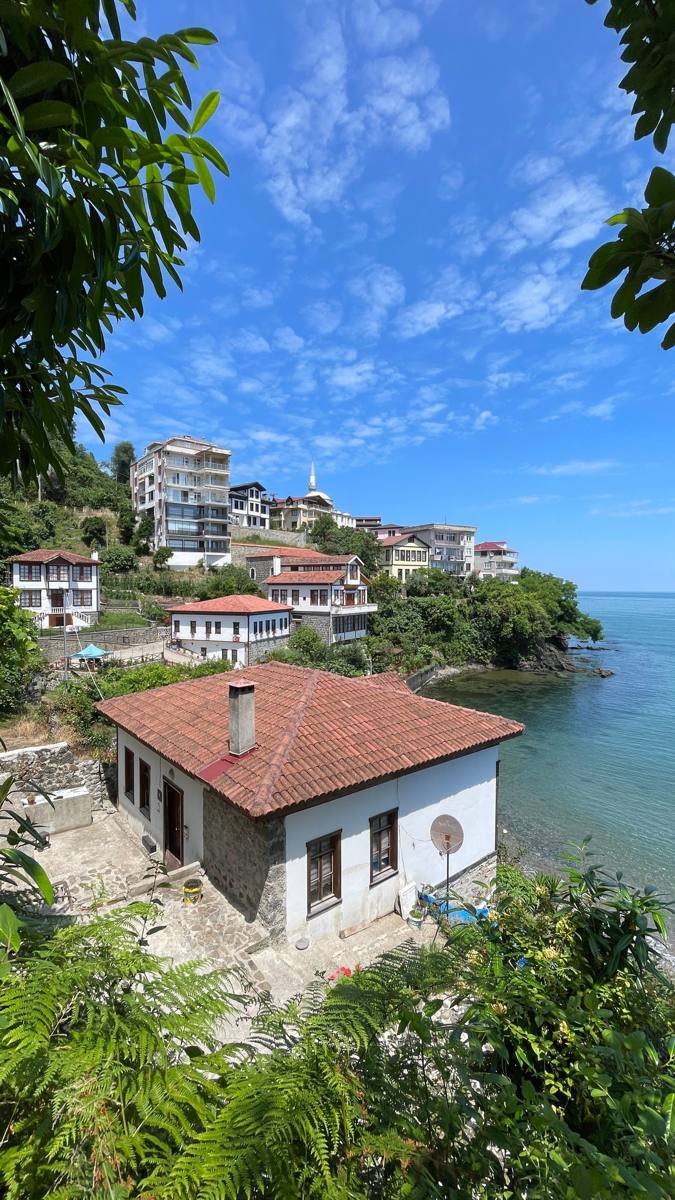
Trabzon is a different Turkey entirely. The Black Sea coast is lush, green, and frequently wet - nothing like the Mediterranean south. The surrounding mountains rise sharply from the coast, giving the region extraordinary scenery: tea terraces on every hillside, hazelnut groves filling the valleys, and the Kaçkar Mountains behind offering serious trekking country. The anchor attraction, Sümela Monastery, is carved into a cliff face 47km south of the city at 1,190m elevation. Understanding the climate here matters - unlike the Aegean coast, there is no reliable dry season, and summer is the window.
Quick Summary: When to Go
| Season | Months | Weather | Crowds | Budget |
|---|---|---|---|---|
| Late Spring | May–Jun | 16–26°C, moderate rain | Low | ★★★★☆ |
| Summer | Jul–Aug | 22–29°C, lower rain | Moderate | ★★★☆☆ |
| Autumn | Sep–Oct | 16–24°C, increasing rain | Low | ★★★★☆ |
| Winter | Nov–Mar | 4–12°C, high rain/snow | Very low | ★★★★★ |
| Spring | Apr | 12–18°C, high rain | Very low | ★★★★★ |
Month-by-Month Breakdown
January
Average temperature: 4–9°C. Rainfall: 15+ days. Crowds: 1/5.
The Black Sea coast in January is genuinely wet and cold. Trabzon city remains functional - it’s a port city of 800,000 people - but the mountain routes to Sümela and the Ayder plateau are subject to snow closures. The Atatürk Köşkü (Atatürk Villa), a pleasant Italianate villa above the city, is open year-round but the grounds are muddy. The Trabzon Museum and the Hagia Sophia of Trabzon (a Byzantine church converted to mosque, then museum, now mosque again) are worth visiting regardless of weather.
February
Average temperature: 4–9°C. Rainfall: 14 days. Crowds: 1/5.
Frequently the coldest month. The Kaçkar Mountains behind the coast receive heavy snowfall. A string of dry days is possible but not reliable. Primarily worth visiting in February for the Byzantine sites and the city’s fish restaurants (the Black Sea anchovies - hamsi - are at their peak in winter, a major regional food culture point).
The hamsi season runs roughly November–March: fried, stewed, in cornbread, and in rice. A platter of fresh hamsi at a lokanta near the harbour is the definitive Trabzon food experience and is best in winter.
March
Average temperature: 6–11°C. Rainfall: 13 days. Crowds: 1/5.
Still wet and cool. Sümela Monastery road typically opens by mid-March if winter has been mild, but check current conditions - the approach road closes at the first significant snowfall and reopens unpredictably. Spring does arrive by late March in the city itself, with the first green appearing on the tea terraces.
April
Average temperature: 10–16°C. Rainfall: 12 days. Crowds: 1/5.
April on the Black Sea coast is persistently wet. The tea terraces are spectacularly green. Sümela Monastery is accessible on good days but the surrounding forest can be deep in mud. The Uzungöl lake (90km south of Trabzon) is in full spring green but gets heavy rainfall throughout April. Most visitors who come to Trabzon for scenery delay until late May.
May
Average temperature: 14–21°C. Rainfall: 10 days. Crowds: 2/5.
The season begins to open. Rain frequency drops from April’s near-daily to every other day on average. The Kaçkar Mountain trekking season begins in late May, with routes like the Kaçkar circuit accessible above the snowline with the right equipment. Sümela Monastery is reliably open; the gorge below it is running with meltwater and spectacularly green.
Uzungöl, the glacial lake surrounded by wooden houses and forests, is excellent in May - cloudy mornings often clear by midday to reveal the full reflection in the lake. It’s more peaceful in May than at any point from June to August.
June
Average temperature: 18–26°C. Rainfall: 8 days. Crowds: 3/5.
The best month begins. Temperatures are warm without the humid heat of July and August, rain frequency is the lowest it gets in the Black Sea climate (still one day in three - this is not the Aegean), and the landscape is at its most vivid green. The Ayder plateau (1,350m elevation, about 2 hours from Trabzon) is in full bloom from June, and the yaylacılık (highland culture) comes alive as families move their animals to the mountain pastures.
Sümela Monastery entry is approximately TRY 480 (around £12 as of 2026). The monastery is carved into a vertical cliff face at 1,190m; the approach path through the gorge takes about 25 minutes and is steep but manageable. The interior frescoes are remarkable - Byzantine paintings dating to the 14th century survive in the chapel.
July
Average temperature: 21–29°C. Rainfall: 7 days. Crowds: 4/5.
Peak season by Black Sea standards. July brings domestic Turkish tourists - Trabzon is popular with Turkish families from Istanbul and Ankara seeking the cool mountain climate. The Ayder plateau fills with accommodation and weekend visitors. The Kaçkar summit trails are at their most accessible, with the Deniz Gölü and Büyük Deniz lakes above the treeline. The Trabzon-Rize coastal road is scenic but busy with coach tours in July.
Uzungöl becomes crowded on weekends in July - try a weekday or arrive before 9am. The wooden guesthouses around the lake are fully booked weeks ahead.
Weather note: even in July, rain can arrive without much notice on the Black Sea coast. A light waterproof is always sensible in the mountains.
August
Average temperature: 21–29°C. Rainfall: 7 days. Crowds: 4/5.
Much like July. The Kaçkar trekking is at its best with all passes snow-free. The tea harvest is in progress - a second flush adds to the spring harvest - and the terraces above Rize and Trabzon are active with pickers. Some tea estates around Rize welcome visitors during harvest (check with Rize tourism office for current arrangements). Rize is about 75km west of Trabzon, easily combined as a day trip.
The Trabzon Cornucopia Festival (Bereketli Trabzon, usually August) celebrates the region’s food culture with local produce markets and hamsi cooking demonstrations.
September
Average temperature: 16–23°C. Rainfall: 9 days. Crowds: 2/5.
A strong choice for adventurous visitors. The domestic tourist wave has receded. The Kaçkar trails are still snow-free at the high passes. The Ayder plateau is quieter but still operating its accommodation. Rain frequency increases again from August, but the light on clear September days - low angle, golden - makes the tea terraces extraordinary. The coast road drive from Trabzon east to the Georgian border (the Artvin region) is one of Turkey’s most scenic drives and is most manageable in September when summer traffic has eased.
October
Average temperature: 13–18°C. Rainfall: 11 days. Crowds: 1/5.
Autumn colour begins on the Kaçkar foothills. The mountain routes become impassable by snowfall by late October at higher elevations. Sümela Monastery is open into October but can be shrouded in low cloud for days at a time in autumn. The city of Trabzon itself is fine for a visit - the Bazaar area and Old Town (Ortahisar) have atmosphere year-round.
November
Average temperature: 9–14°C. Rainfall: 14 days. Crowds: 1/5.
The season largely closes. Sümela road conditions become unreliable. The hamsi season begins again, which is the one reliable draw. November in Trabzon for a visitor interested purely in food culture - hamsi, kuymak (a Black Sea cornmeal and cheese dish), and the city’s pilaff restaurants - is surprisingly rewarding.
December
Average temperature: 5–11°C. Rainfall: 14 days. Crowds: 1/5.
Deep off-season. The best hotel rates of the year. Not recommended unless you’re specifically interested in the Black Sea winter food culture or Byzantine architecture without any tourism pressure.
Festivals and Events
- Ayder Plateau Summer Festival - July, highland music and culture
- Trabzon Bereketli (Cornucopia) Festival - August
- Trabzon Cherry Festival - late June (cherries are a key local crop)
- Hamsi Season - November–March, not a formal festival but the defining food event
Budget Tips by Season
- Peak (Jul–Aug): Trabzon city hotels remain reasonably priced even in peak season - this is not a beach resort premium market. The uplift comes from Ayder plateau accommodation (book 2–3 weeks ahead for weekends) and Uzungöl guesthouses which fill fast.
- Shoulder (May–Jun, Sep): Good value and the full experience. Accommodation readily available. Mountain guides for Kaçkar treks are easier to book in May–June than July.
- Off-peak (Nov–Apr): Very low accommodation rates. Most mountain experiences unavailable. Recommended only for Byzantine/food-focused trips.
Our Verdict
June and September are the optimal months for most visitors. June gives the highest chance of good weather with the landscapes at their greenest. September offers a quieter experience with the Kaçkar still accessible and autumn colour beginning on the lower slopes.
July and August are fine if booking is done in advance - just accept that rain is possible even in the core summer months and pack accordingly. The Black Sea climate is never as reliably dry as the Aegean, and that’s part of what makes the landscape so green.
Avoid November through April unless specifically drawn to the hamsi food culture or Byzantine sites - the mountain scenery and monasteries that define the region are largely inaccessible in winter.
Frequently Asked Questions
Does it rain a lot in Trabzon? Yes, significantly more than Aegean Turkey. Trabzon receives around 800mm of rainfall annually, spread through all months but heaviest November–April. Even in July and August expect some rain - typically short heavy showers rather than all-day drizzle. A light waterproof jacket is essential year-round.
When is Sümela Monastery open? The monastery itself is open year-round when accessible, typically daily from 8am. The approach road from Maçka can close due to snow from November to March/April. Check current conditions before the visit in shoulder months. Entry is approximately TRY 480 (£12).
How do I get from Trabzon to the Ayder plateau? There is no direct public transport to Ayder. Most visitors join an organised day tour from Trabzon (which includes Uzungöl and Ayder together) or hire a car. The drive from Trabzon takes approximately 2.5 hours via the Rize provincial roads. Book Trabzon tours for a guided option that covers both sites in one day.
Is it worth combining Trabzon with Rize? Yes. Rize is 75km west along the coast (about 1 hour) and has the best tea gardens and the Rize Castle, plus the Fırtına Valley (Hemşin region) which rivals the Ayder plateau for scenery. A self-drive combining Trabzon, the coastal road to Rize, Ayder, and Uzungöl is one of the best road trips in Black Sea Turkey and works well in June–September.