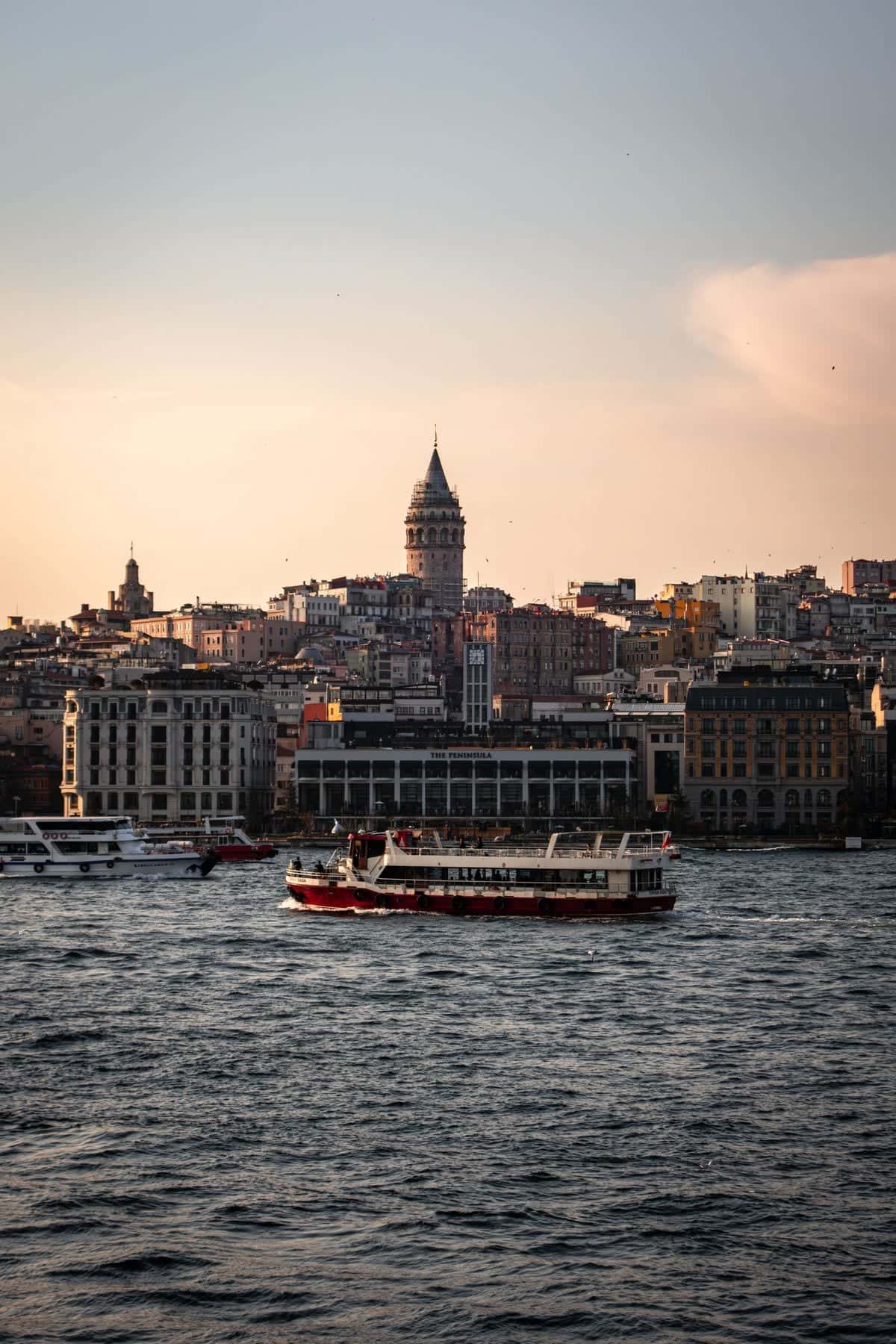
Istanbul doesn’t have a bad month - but it has dramatically different ones. A June weekend in Sultanahmet means queuing 45 minutes in 32°C heat alongside 50,000 other tourists. A November Tuesday means walking straight into Hagia Sophia and having whole courtyards to yourself. Knowing when to go shapes the entire trip.
Quick Summary: When to Go
| Season | Months | Best For |
|---|---|---|
| Spring | Apr–May | Tulips, festivals, 18–22°C, good value |
| Summer | Jun–Aug | Long days, rooftop bars, high crowds and prices |
| Autumn | Sep–Oct | Golden light, cooler temps, festivals |
| Winter | Nov–Mar | Budget travel, museums, Christmas and Ramadan atmosphere |
Month-by-Month Breakdown
January
Average temperature: 3–9°C. Rainfall: 9 days. Crowds: very low.
Istanbul in January is grey, occasionally drizzly, and surprisingly worthwhile. Topkapi Palace and the Basilica Cistern are nearly empty. Hotel prices drop to their annual floor - expect to pay around TRY 2,500–4,000/night (approximately £65–105) for a mid-range Sultanahmet property that costs double in summer.
What’s on: New Year hangover sales fill the Grand Bazaar. The city feels genuinely local.
Practical note: wear layers. The wind off the Bosphorus is sharp, and the old city’s hills make it feel colder than the forecast suggests.
February
Average temperature: 3–9°C. Rainfall: 8 days. Crowds: very low.
Similar to January, with slightly longer daylight hours. Occasional snow dusts the minarets - beautiful if you’re there for it, disruptive if you’re not. Ferries still run on schedule unless there’s a genuine blizzard (rare).
If Ramadan falls in February (it moves each year - check before booking), the city takes on a different character entirely. Iftar tables appear on pavements in Fatih, and Sultanahmet fills with lantern-lit stalls after sunset. Book ahead for iftar dinners at rooftop restaurants like Matbah or Hamdi - these fill up weeks in advance during Ramadan regardless of the season.
March
Average temperature: 5–12°C. Rainfall: 7 days. Crowds: low, building by late month.
The shoulder season begins to wake up. March is a transitional month - prices are still low, but the first spring-break groups start arriving by mid-month. Good time to explore the Asian side (Kadıköy, Moda) without fighting for pavement space.
The tulip bulbs are in the ground. If you’re chasing the full spring bloom, wait until April.
April
Average temperature: 9–17°C. Rainfall: 6 days. Crowds: moderate.
One of the two best months to visit. The Istanbul Tulip Festival runs through most of April, turning Emirgan Park and Gülhane Park into a riot of colour - over three million tulips across the city. Entry to the parks is free. Hagia Sophia entry is TRY 750 (approximately £18 as of 2026); Topkapi Palace TRY 1,100 (approximately £28).
Weather is reliably mild: warm enough for outdoor dining on the Bosphorus, cool enough for long walks through the old city without overheating. European Easter weekend can spike prices for a few days - book accommodation ahead if your trip crosses it.
Good base: a hotel in Beyoğlu gives easy access to Taksim, the ferry terminals, and the Asian side. Expect to pay TRY 3,500–6,000/night (£90–155) for a solid mid-range option. See our where to stay in Istanbul guide for specific property picks.
May
Average temperature: 13–22°C. Rainfall: 6 days. Crowds: moderate-high.
May is the other contender for best month. Long days, warm sunshine, and the city at its most photogenic before the summer crowds fully arrive. The Bosphorus ferry ride is at its best - blue water, green hills, and enough breeze to keep things comfortable.
Book Istanbul tours early for May - sunset Bosphorus cruises and skip-the-line Hagia Sophia entry start selling out. The city’s rooftop bars reopen and the outdoor restaurant terraces along the waterfront fill up fast by 7pm.
Budget note: May prices are still 25–40% below July peak. This is the window where you get the experience without the premium.
June
Average temperature: 17–27°C. Rainfall: 4 days. Crowds: high.
Summer begins. Temperature is comfortable in the first two weeks of June, but the crowds arrive ahead of the heat - schools break across Europe and the queues at major sites grow noticeably. Hagia Sophia can have 60-minute waits by 10am on weekdays.
The Bosphorus ferry becomes a genuine experience - boats run more frequently, and the evening crossings at golden hour are worth the slight wait. Just avoid the peak commuter window (8–9am, 5:30–7pm) when the main ferries are packed with locals and tourists together.
Hotel prices are sharply higher in June: a mid-range room in Sultanahmet runs TRY 6,000–10,000/night (£155–260). The €200+ category begins to fill faster.
July
Average temperature: 20–29°C. Rainfall: 3 days. Crowds: peak.
The hottest, most crowded, and most expensive month. The old city in July is a managed chaos. Queuing is unavoidable at Hagia Sophia, Topkapi, and the Grand Bazaar. The upside: long evenings, rooftop bars at full swing, and the Bosphorus at its warmest if you want to swim at one of the Princes’ Islands beaches.
If you visit in July, plan around the crowds: arrive at major sites before 9am or after 4pm. Midday in Sultanahmet (noon to 3pm) is genuinely brutal - 32°C plus reflected heat off the cobblestones. Use that window for indoor sites like the Basilica Cistern or the Pera Museum.
Accommodation prices peak. Budget TRY 8,000–15,000/night (£205–385) for anything in a desirable location. Book two to three months ahead.
August
Average temperature: 20–29°C. Rainfall: 3 days. Crowds: peak.
Nearly identical to July. The second half of August sees a small dip as European school holidays end, but it’s marginal. Heat, crowds, and prices remain at annual highs.
One positive: August evenings are glorious. The city doesn’t cool down until 9–10pm, which means outdoor dining and nightlife run late. The Bosphorus sunset from a rooftop in Beyoğlu or Karaköy is difficult to beat.
September
Average temperature: 16–25°C. Rainfall: 4 days. Crowds: moderate-high, dropping through the month.
September is one of the best months to visit. The heat backs off to something genuinely comfortable, the worst of the summer crowds thin out from mid-month, and the city’s cultural calendar kicks back into gear.
The Istanbul Biennial opens in odd-numbered years (next: September 2027) - a major contemporary art event spread across venues across the city, many of them repurposed industrial spaces in Karaköy and Galata. Even in off years, September brings the start of the opera, theatre, and classical music season.
Prices start sliding from August highs but haven’t hit their autumn floor yet. Expect TRY 5,500–9,000/night (£140–230) for mid-range.
October
Average temperature: 11–19°C. Rainfall: 7 days. Crowds: moderate.
The second of the two best months. October in Istanbul is golden in every sense: warm afternoon light, leaves turning in the parks, and crowds at their most manageable since May. Rain picks up slightly but rarely ruins a day - afternoon showers, not all-day downpours.
The full autumn cultural season is in swing: concerts at the Atatürk Cultural Centre, theatre at Şişhane, gallery openings throughout Beyoğlu. The Grand Bazaar is navigable again without feeling like you’re at a theme park.
October is also good for day trips and multi-day itineraries from Istanbul - Gallipoli, Bursa, and Edirne are all within comfortable reach, and the countryside is at its best in autumn colours.
Prices remain elevated versus winter but are significantly below peak: TRY 4,000–7,500/night (£103–193) for solid mid-range options in central locations.
November
Average temperature: 7–14°C. Rainfall: 9 days. Crowds: low.
November is when Istanbul becomes a local city again. The tourist-to-local ratio in Sultanahmet flips, the Grand Bazaar prices loosen, and the ferry to Kadıköy carries mostly commuters. It rains more, and the light is flat by 5pm.
The upside is real: no queues at major sites, rock-bottom hotel prices, and a city operating at its own pace. The covered bazaars are perfect wet-day alternatives to outdoor sightseeing, and the city’s café culture is at full strength - Moda and Cihangir have some of the best coffee in the country.
Budget travellers: November to March is when the annual price floor hits. TRY 2,000–3,500/night (£52–90) covers excellent mid-range options that would cost three times as much in summer.
December
Average temperature: 3–9°C. Rainfall: 10 days. Crowds: low, with a Christmas uptick in late month.
Istanbul doesn’t have a Christmas tradition in the Western sense, but the city decorates Istiklal Caddesi and several malls through December, and a growing number of European visitors use Christmas week to explore a non-Christmas destination.
New Year’s Eve is genuinely celebrated - Sultanahmet and Taksim both have public events, and the rooftop bars and restaurants run special dinners. Book well ahead if New Year’s Eve is part of your trip.
The week between Christmas and New Year sees a noticeable but not overwhelming uptick in visitors. The rest of December is as quiet as January.
Peak Season Deep-Dive: June–August
If peak season is your only option, it’s manageable with the right approach:
- Arrive early at major sites. Hagia Sophia tickets (TRY 750 as of 2026) sell out online by mid-morning - buy them the day before and arrive at 8:30am when the doors open.
- Use the ferry as transport, not a tour. The tourist Bosphorus cruises in summer are crowded and expensive. The regular IDO/Istanbul Şehir Hatları ferries (TRY 20–35 per trip) cover the same water at a fraction of the price and with far fewer selfie sticks.
- Base in Beyoğlu or Karaköy, not Sultanahmet. Sultanahmet in July is tourist-dense 24 hours a day. Staying 10 minutes away in Karaköy puts you in a neighbourhood that functions normally and has better restaurant options.
- Book accommodation 6–8 weeks ahead. July and August in Istanbul’s quality mid-range fills up. The last-minute options left are either overpriced or compromised on location.
Shoulder Season: April–May, September–October
These four months represent the best value-to-experience ratio. What you get:
- Weather: 16–24°C across most of this window, with manageable rain
- Crowds: 40–60% lighter than peak at major sites
- Prices: 25–45% below July highs
- Events: Tulip Festival (April), Biennial (September odd years), full arts season (October)
The tradeoff: some ferry routes run reduced schedules in early April, and late October evenings require a jacket.
Low Season: November–March
The value case for winter Istanbul is strong:
- Hotel prices at annual lows - see above for ranges
- Zero queuing at Hagia Sophia, Topkapi, the Basilica Cistern
- The Grand Bazaar is a negotiation again, not a walk-through
- Genuine local neighbourhood life in Kadıköy, Moda, Cihangir, Balat
What you give up: outdoor dining (mostly), the Bosphorus in full swing, and the city’s more photogenic light. For a trip focused on history, food, and the bazaars, winter works completely.
Ramadan note: If Ramadan falls during your winter or spring trip (check the Islamic calendar - it shifts by 11 days each year), the dynamics change significantly. Iftar - the evening meal breaking the fast - transforms the streets of Fatih and Sultanahmet from 7pm onwards. It’s one of the more atmospheric things you can experience in Istanbul, but it requires advance planning: popular iftar restaurants book out weeks ahead, and daytime service at some local spots is limited.
Practical Packing by Season
April–May / September–October: Layers essential. Mornings and evenings are cool (12–16°C), afternoons warm (20–25°C). A light waterproof and one warmer layer covers everything.
June–August: Light summer clothing, but bring a layer for mosques (shoulders and knees covered is required) and for air-conditioned restaurants and museums, which run very cold.
November–March: Proper winter coat, waterproof shoes, and layers. The old city is cobblestoned and hilly - wet cobblestones are genuinely slippery.
Istanbul rewards the visitor who plans around its rhythm. The shoulder months give you the best of the city without the worst of the crowds. If summer is unavoidable, the early-morning advantage is real. And if you end up there in January with the rain coming off the Bosphorus and a Turkish tea in hand, that’s not a bad trade at all.
Plan Your Trip
✈️ Book your flights to Türkiye 🛡️ Get travel insurance 📱 Stay connected with an eSIM 🚗 Rent a car