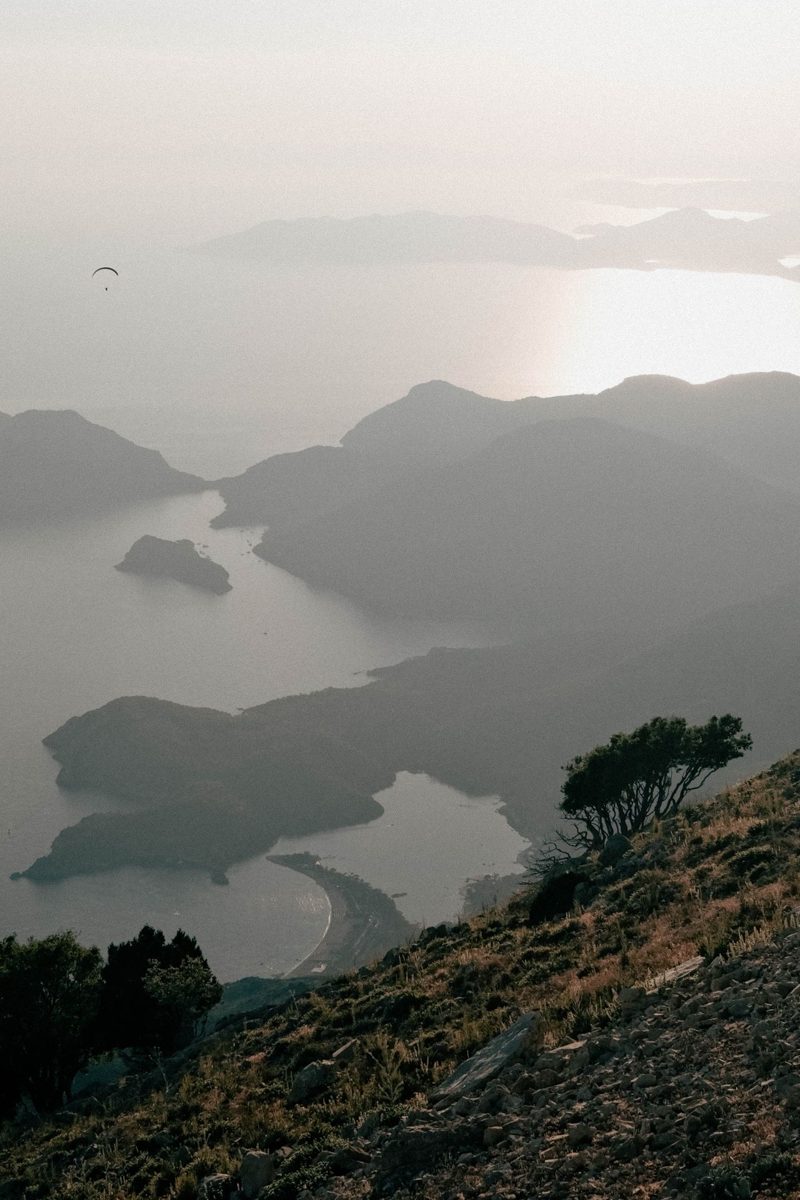
Fethiye is the gateway to one of the most scenic stretches of the Turkish coast: the Blue Lagoon at Ölüdeniz, the Butterfly Valley, the ancient Lycian Rock Tombs above the harbour, and some of the best paragliding in Europe from Babadağ mountain. The town itself is genuinely liveable - a working fishing port that grew into a resort without losing its market. Timing matters because high summer at Ölüdeniz means 12,000 people on a beach designed for a third of that.
Quick Summary: When to Go
| Season | Months | Weather | Crowds | Budget |
|---|---|---|---|---|
| Spring | Apr–May | 19–26°C | Low–Moderate | ★★★★☆ |
| Early Summer | Jun | 25–31°C | High | ★★★☆☆ |
| Peak Summer | Jul–Aug | 28–36°C | Peak | ★★☆☆☆ |
| Autumn | Sep–Oct | 22–28°C | Moderate–Low | ★★★★☆ |
| Winter | Nov–Mar | 8–17°C | Very low | ★★★★★ |
Month-by-Month Breakdown
January
Average temperature: 8–14°C. Rainfall: 12 days. Crowds: 1/5.
Fethiye in winter is quiet and surprisingly likeable. The Lycian Rock Tombs above the harbour are lit at night regardless of season, and the old town market (held on Tuesday and Friday) is operating on its local rhythm - fish, olives, citrus, cheese - with no tourists padding prices. The sea is too cold for swimming (16°C), but the backdrop of the Taurus range against clear winter skies is striking. Hotel rates are at rock bottom: a good waterfront guesthouse runs TRY 1,800–2,800/night (approximately £45–70).
February
Average temperature: 9–15°C. Rainfall: 10 days. Crowds: 1/5.
Similar to January. The first wildflowers appear on the hillsides above Faralya. The Butterfly Valley is accessible on a clear day by boat (about 40 minutes from Fethiye harbour), though few operators run it in February - ask at the harbour for private day charters. The Lycian Way starts to attract serious trekkers who prefer cooler conditions for the long stages.
March
Average temperature: 11–18°C. Rainfall: 8 days. Crowds: 2/5.
The coast wakes up. The first paragliders appear above Babadağ as the school groups start arriving. Ölüdeniz beach opens for the season in terms of accommodation and services, though actual beach-going is still chilly. The Saklikent Gorge (30km east of Fethiye) is a worthwhile day trip in March when the meltwater is running - the gorge is dramatically flooded and the walk becomes a wading expedition. Entry TRY 120 (approximately £3).
April
Average temperature: 14–22°C. Rainfall: 5 days. Crowds: 2/5.
One of the best months. The Lycian Way hiking is at its peak - temperatures are cool enough to cover the mountain stages without heat issues. Babadağ paragliding runs daily from around 8am; the 2,000m descent to Ölüdeniz beach takes 25–40 minutes depending on thermals and costs approximately TRY 4,500–5,500 (£115–140 as of 2026). The Blue Lagoon is swimmable for those comfortable in 19–20°C water.
The 12 Islands boat trip (day-long cruise visiting coves, ruins, and swim stops) is running from April and rarely sells out this month. Book Fethiye boat tours a day ahead rather than a week, which is refreshing compared to peak season booking.
May
Average temperature: 18–27°C. Rainfall: 3 days. Crowds: 3/5.
The sea reaches 22–23°C and the full season begins. May is widely regarded as Fethiye’s best month: genuinely warm water, full range of activities, and prices still significantly below peak. The Ölüdeniz beach isn’t yet packed. The Butterfly Valley ferry from Ölüdeniz runs several times daily - the walk up to the waterfall at the top is green and cool in May.
Çalış Beach, Fethiye’s long sandy stretch 3km from the town centre, is at its best in May and early June: warm water, space, and the dolmuş (minibus) running regularly from the central market.
June
Average temperature: 22–32°C. Rainfall: 1 day. Crowds: 4/5.
Hot and increasingly busy. Charter flights from northern Europe arrive in force. Ölüdeniz beach is crowded by mid-morning on weekdays, packed on weekends. The 12 Islands boat trip fills quickly - book a day or two ahead. The Babadağ tandem paragliding queue gets long on busy days; book the first slot of the morning.
Beach club entry or sunbed hire at Ölüdeniz starts to be charged from June - typically TRY 200–400 (£5–10) for a sunbed with umbrella.
July
Average temperature: 24–35°C. Rainfall: under 1 day. Crowds: 5/5.
The beach at Ölüdeniz reaches capacity by 10am on the busiest days. The water is 27°C. Evening entertainment in the streets around the marina is full. Paragliding is excellent (reliable thermals), gulet charters are at full capacity, and the Saklikent Gorge becomes a water-park-style day trip for families. Book everything 1–2 weeks ahead.
August
Average temperature: 24–35°C. Rainfall: under 1 day. Crowds: 5/5.
Identical to July in terms of heat and crowds, marginally cheaper for flights. The sea is at its warmest (27–28°C). The Fethiye town market continues on Tuesdays - worth the early morning visit before the heat peaks. The Rock Tombs area in the evening, when they’re lit and the worst of the day’s heat has passed, is at its most atmospheric.
September
Average temperature: 21–30°C. Crowds: 3/5.
Exceptional month. The crowds drop significantly after the first week. The sea stays 25–26°C for most of September. Boat trips, paragliding, and the Lycian Way hiking are all still fully operational. Hotel prices fall 25–35% versus August. The evenings cool enough for long dinners in the old town without the oppressive heat.
Butterfly Valley is particularly worthwhile in September - the Butterfly season has passed (the Jersey Tiger moths are present July–September) but the valley’s waterfalls are accessible and the swim back to the boat at the end is still comfortably warm.
October
Average temperature: 16–25°C. Rainfall: 4 days. Crowds: 2/5.
The sea cools to 22°C - still swimmable. The Lycian Way season is in full swing with autumn walkers covering multi-day stages. Boat trips continue to operate but on reduced schedules by late October. The Saklikent Gorge wading season effectively ends as water levels drop. Fethiye town is excellent in October: the Tuesday market, the fish bazaar in the old town, and the Kayaköy ghost village (3km from the coast) all at their most accessible.
November
Average temperature: 12–18°C. Rainfall: 8 days. Crowds: 1/5.
Most beach infrastructure closes. The town itself stays open and some of the best restaurants - particularly in the old town’s fish market area - remain active year-round. A quiet week in November for the Lycian Way is hard to beat: cool, green, and empty.
December
Average temperature: 9–14°C. Rainfall: 10 days. Crowds: 1/5.
Very low season. Best rates of the year. The Rock Tombs, Kayaköy, and Saklıkent (now a dry gorge rather than a water experience) make excellent day trips. The harbour restaurants that stay open year-round are relaxed and hospitable.
Festivals and Events
- Fethiye Atatürk Memorial Day - November 10, civic events across the town
- Fethiye market days - Tuesday (main bazaar), Friday (smaller)
- Butterfly Valley season - July–September (Jersey Tiger moth peak)
- Lycian Way hiking season - November–April (peak), September–October (second peak)
Budget Tips by Season
- Peak (Jul–Aug): Ölüdeniz accommodation fills fast and commands premium prices. Base yourself in Fethiye town or Çalış Beach instead - both a short dolmuş ride from Ölüdeniz, significantly cheaper, and with their own beaches.
- Shoulder (May, Sep): Best value-to-experience ratio. Activities all running, prices 30–40% below peak.
- Off-peak (Nov–Apr): Rock-bottom accommodation rates. Activities (boat trips, paragliding, gulets) largely suspended, but hiking and cultural visits are excellent. The Lycian Way is free to walk end-to-end.
Our Verdict
May and September win. The sea is swimmable, the paragliding is excellent, boat trips run to full capacity, and you avoid the crush and cost of peak season. Avid hikers should target November–April for the Lycian Way, when the multi-day stages can be covered without heat issues.
July and August are for those who want the peak beach experience and don’t mind crowds - Ölüdeniz is still one of the most beautiful beaches in the Mediterranean, even with 12,000 people on it.
Frequently Asked Questions
When can you swim at Ölüdeniz? The Blue Lagoon is swimmable from late April (around 19°C) for confident swimmers, and genuinely comfortable from mid-May onwards (22°C+). The warmest period is July–September at 26–28°C. October is still warm enough for most people.
Is Fethiye good for hiking year-round? The Lycian Way passes through the Fethiye area. The ideal hiking season is November–April (cooler, greener) and September–October (cooling down after summer). The mountain stages above 1,000m can be hot in summer but are walkable in the early morning.
What’s the best way to get from Fethiye to Ölüdeniz? By dolmuş (minibus) from the central market area - runs every 15–20 minutes in season, takes about 20 minutes, costs approximately TRY 50 (£1.20). Taxis are available but cost 3–4 times more. In off-season, frequencies reduce to hourly.
How crowded does Ölüdeniz get in July? The beach reaches capacity (around 12,000 people) by mid-morning on the busiest July and August days. Arriving before 9am or after 4pm significantly improves the experience. The Blue Lagoon section of the beach is a national park (TRY 100 entry) and is capped at lower numbers.