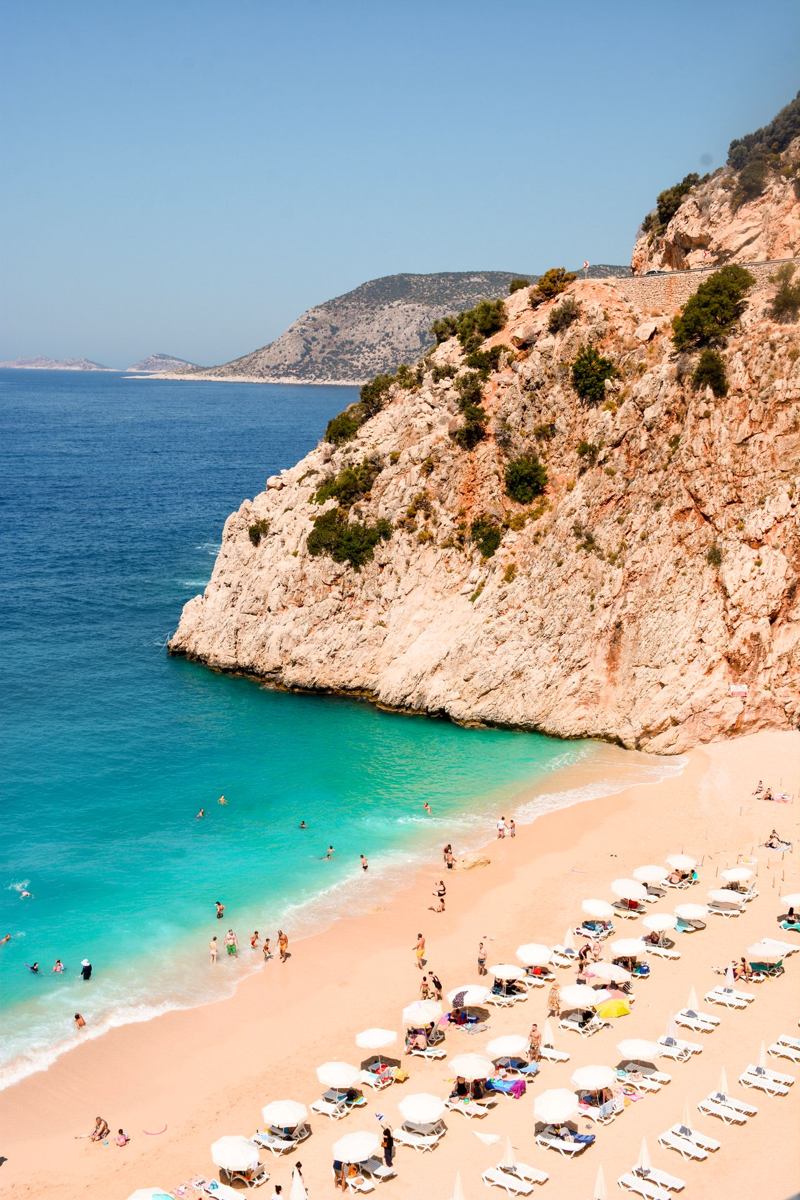
Antalya is one of the most visited cities in the world, and for good reason: a Roman harbour, ruined cities within an hour’s drive, and a Mediterranean coastline that stays warm from May to October. The question isn’t whether to go - it’s when. July and August deliver the longest days and warmest sea but also airport chaos, packed beaches, and hotel prices that double. The shoulder months are quietly excellent.
Quick Summary: When to Go
| Season | Months | Weather | Crowds | Budget |
|---|---|---|---|---|
| Spring | Apr–May | 18–26°C, low rain | Low–Moderate | ★★★★☆ |
| Early Summer | Jun | 26–31°C, near-zero rain | High | ★★★☆☆ |
| Peak Summer | Jul–Aug | 30–35°C | Peak | ★★☆☆☆ |
| Autumn | Sep–Oct | 22–28°C, some rain | Moderate | ★★★★☆ |
| Winter | Nov–Mar | 8–16°C, rainier | Very low | ★★★★★ |
Month-by-Month Breakdown
January
Average temperature: 8–14°C. Rainfall: 10 days. Crowds: 1/5.
January is low season in the truest sense - the old quarter (Kaleiçi) is half-empty, the harbour restaurants are running off-season menus, and hotel rates fall to their annual floor. The sea is too cold to swim (16°C), but the climate is mild enough for hiking. The Lycian Way trail above Antalya is at its best: cool air, green hillsides, no heat exhaustion. Expect to pay around TRY 2,000–3,500 per night for a good Kaleiçi boutique hotel (approximately £55–90 as of 2026).
February
Average temperature: 9–15°C. Rainfall: 9 days. Crowds: 1/5.
Much like January. A string of clear days is possible in late February as the Mediterranean slowly warms. This is the right time to visit Perge or Aspendos ruins without a tour bus in sight - walking Aspendos amphitheatre alone, with snow still on the Taurus mountains in the distance, is genuinely impressive.
March
Average temperature: 11–18°C. Rainfall: 7 days. Crowds: 2/5.
The first beach visitors arrive, mostly from northern Europe looking to escape. The sea is still around 17°C - cold by Antalya standards but swimmable for the determined. Prices start to tick up by mid-March. The Düden Waterfalls (both upper and lower) are flowing well after winter rains.
April
Average temperature: 14–22°C. Rainfall: 5 days. Crowds: 3/5.
One of the best months to visit. Temperatures are comfortable for sightseeing and day trips. The sea reaches 19–20°C - reasonable for a dip, especially by late April. The old city’s orange trees are in bloom, and the Altın Portakal (Golden Orange) festival season preparations begin. Entry to Aspendos ruins is approximately TRY 240 (around £6); Perge TRY 240.
Termessos, the cliff-top ruins above Antalya, is spectacular in April: wildflowers across the hillsides and no midday heat on the 9km round-trip hike. Worth combining with Güllük Mountain National Park on the same day.
May
Average temperature: 18–27°C. Rainfall: 3 days. Crowds: 4/5.
The sea hits 22–23°C and beach season properly begins. May is the sweet spot: genuinely warm, still manageable crowds at Konyaaltı and Lara beaches, and tour operators running their full programme of boat trips along the coast. The Altın Portakal Film Festival (usually late September) draws crowds, but May is clean of major events.
Book Antalya boat tours for May - the Blue Cave and Suluada day trips sell out on weekends by mid-month.
June
Average temperature: 23–32°C. Rainfall: 1 day. Crowds: 4/5.
The heat is here but not yet overwhelming. Early June is perhaps the most pleasant beach month - sea temperature 25°C, long evenings, and prices that haven’t yet hit the July premium. Charter flights from northern Europe ramp up significantly, so book flights and accommodation well ahead.
July
Average temperature: 26–36°C. Rainfall: under 1 day. Crowds: 5/5.
Peak season. The beaches at Konyaaltı are shoulder-to-shoulder by 10am. The old harbour restaurants triple their covers and sometimes their prices. Air-conditioned time - visiting the Antalya Museum (one of the best archaeological collections in Turkey, entry TRY 320/approximately £8) makes more sense than sightseeing in the midday heat. Average high temperatures exceed 35°C in heatwave years.
Upside: the longest days, the warmest sea (28°C), and a genuinely lively atmosphere in the marina and Kaleiçi at night.
August
Average temperature: 26–36°C. Rainfall: under 1 day. Crowds: 5/5.
Identical to July in terms of heat and crowds. Slightly cheaper than July for flights as the European school summer peak has passed. The International Antalya Sand Sculpture Festival (SANDLAND) runs June–November, worth an evening visit.
September
Average temperature: 22–31°C. Rainfall: 2 days. Crowds: 3/5.
The other standout month. Temperatures drop to comfortable levels for sightseeing (not sightseeing-in-a-sauna), the sea is still 26–27°C, and the crowds thin out markedly after the first week. Hotel prices drop 20–30% versus August. This is the best month to combine beach time with ruin-hopping.
The Altın Portakal Film Festival usually falls in late September, filling the marina’s bars and restaurants for a week.
October
Average temperature: 17–26°C. Rainfall: 4 days. Crowds: 2/5.
An underrated month. The sea cools to 22–23°C, still warm enough for swimming. Boat trips are still running but with smaller groups. Late October brings the first autumn rains - typically short but heavy. Good time to visit the Antalya Museum without fighting tour groups, and to explore the Kalekapısı (old gate) area of Kaleiçi without queueing for coffee.
November
Average temperature: 12–19°C. Rainfall: 7 days. Crowds: 1/5.
Most charter flights cease. The mass-market resorts along the Lara Beach strip close for maintenance. The old city, however, stays open and becomes genuinely pleasant to walk - cool mornings, clear skies on good days, and the harbour quarter at its most photogenic in the low golden-hour light.
December
Average temperature: 9–15°C. Rainfall: 9 days. Crowds: 1/5.
Very low season. The best rates of the year at Kaleiçi boutique hotels. Good for a city break combining the museum, the ruins, and the old quarter without any tourist pressure. Snow on the Taurus range is visible from the harbour on clear days.
Festivals and Events
- Aspendos Opera and Ballet Festival - June–July, in the ancient amphitheatre (world-class acoustic setting)
- Altın Portakal Film Festival - late September/early October, national prestige event
- SANDLAND Sand Sculpture Festival - June–November, Lara Beach
- Antalya International Triathlon - usually October
Budget Tips by Season
- Peak (Jul–Aug): Budget an extra 40–60% on accommodation versus April prices. Book refundable rates and watch for last-minute drops.
- Shoulder (Apr–Jun, Sep–Oct): The value window. Flights cheaper than peak, quality accommodation available on shorter notice.
- Off-peak (Nov–Mar): Deep discounts on Kaleiçi boutique hotels. Many restaurants offer set menus at half the summer price. Archaeological sites are at their most accessible.
Our Verdict
April–May and September are the months to aim for. The Mediterranean is warm enough to swim, the ruins are walkable without heat exhaustion, and prices are 25–40% below peak. Families with school-age children should target June - still manageable crowds, genuinely warm, and the sea is perfect.
Avoid mid-July and August unless beach culture and nightlife are your priority - both are excellent for that, but sightseeing in 35°C heat is not the same trip.
Frequently Asked Questions
When does the sea reach swimmable temperature in Antalya? By late April the sea hits 19–20°C - manageable for confident swimmers. Most people consider it properly warm from mid-May (22°C+). The peak is late July to early September at 27–28°C.
Is Antalya worth visiting in winter? Yes, if you’re not coming for the beach. The Antalya Museum, Kaleiçi old quarter, and day trips to Aspendos or Perge are genuinely excellent in November–February with no crowds and very low prices. The Taurus mountains receive snow and are accessible for skiing at Saklıkent resort about 50km from the city.
What’s the wettest month in Antalya? December and January, with roughly 10 days of rain each. Rain typically comes in short heavy bursts rather than all-day drizzle. The rest of the year, especially June–August, is almost entirely dry.
Is Antalya crowded in June? Crowds build through June but don’t reach the July–August peak until the last week of the month. Early June is noticeably quieter than July and often the best combination of warm sea and manageable beaches.