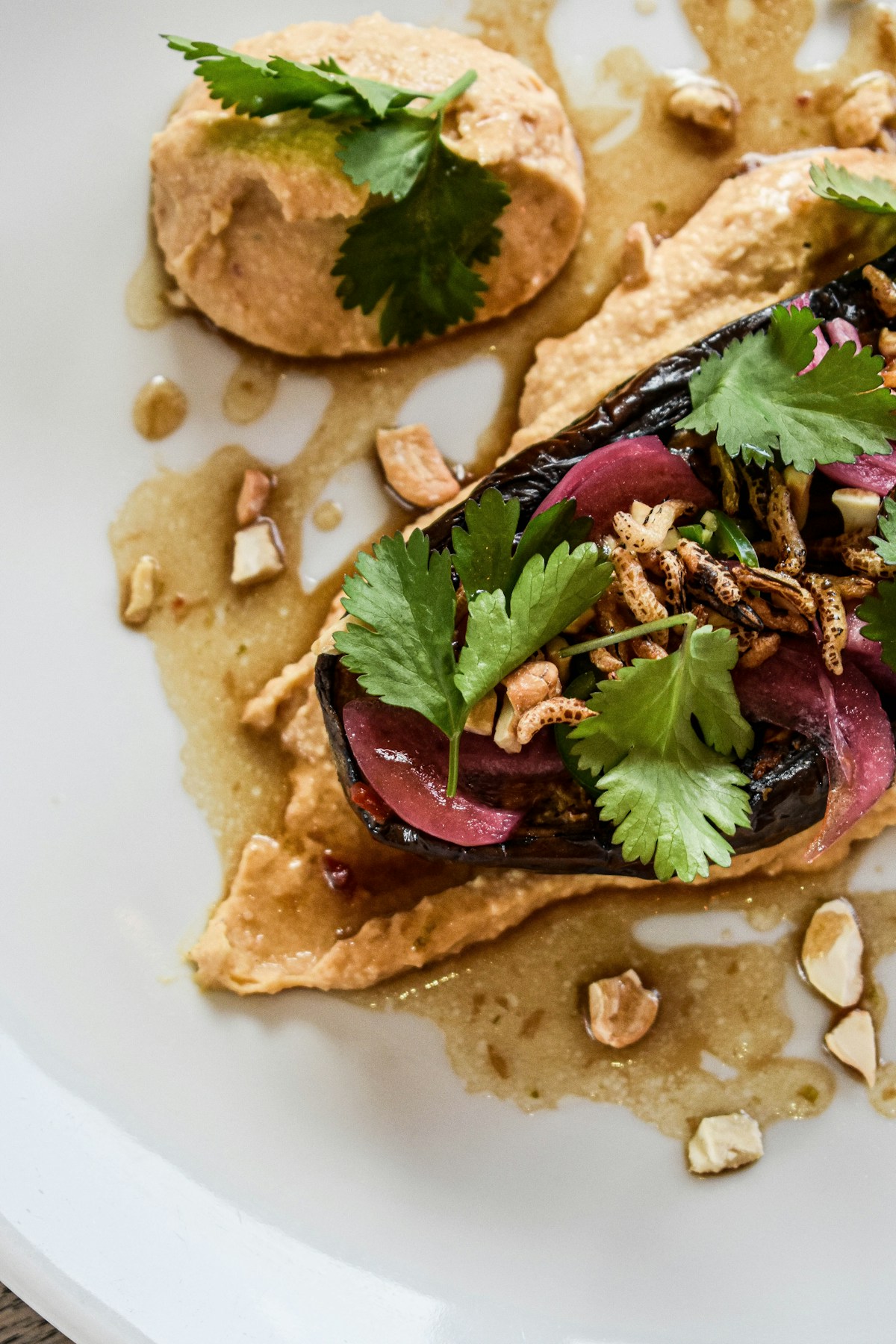
Çanakkale is a university town with a young local population - vegan eating is more straightforward here than in smaller Turkish towns. The Aegean olive oil tradition provides a natural base of plant-based dishes; the market has excellent fresh produce (notably Çanakkale tomatoes in season); and the local university culture has driven some explicitly vegan or vegetarian-friendly café options.
Naturally vegan dishes
Zeytinyağlı vegetables (lokantas and traditional restaurants):
- Zeytinyağlı fasulye (white beans in olive oil) - vegan
- Zeytinyağlı pırasa (braised leeks) - vegan
- Zeytinyağlı kereviz (celery root) - vegan
- Zeytinyağlı dolma (vine leaves) - confirm etsiz (no meat)
Cold meze:
- Acılı ezme (spicy tomato paste) - vegan
- Patlıcan salatası (roasted aubergine) - confirm no yoghurt
Soups:
- Mercimek çorbası (red lentil soup) - almost always vegan; confirm tereyağsız (no butter)
Street food:
- Çiğ köfte rolls - ₺40–70; plant-based
- Simit - ₺15–20; vegan
Çanakkale-specific vegan finds
Çanakkale tomatoes: The specific local tomato variety (protected geographical indication) - extraordinary in summer. Slice with olive oil and salt. ₺20–40/kg at the market.
Fresh local olive oil: The Çanakkale region produces olive oil from the olive groves of the Edremit Gulf and the Biga Peninsula. Available at market stalls. ₺80–160/litre.
Market produce: The city market has excellent summer fruit and vegetables. A self-assembled market meal (tomatoes + olives + bread + olive oil) is the best budget vegan eating in the city.
What to watch for
Ezine cheese: Not vegan - a sheep’s milk white cheese. Very common in the local food and on breakfast tables. Decline politely.
Pilav: Often buttered - ask zeytinyağlı or sade.
Haydari: Yoghurt-based; not vegan.
Börek: Check filling - potato (patates) or spinach börek may be vegan; confirm no butter in pastry.
Key vocabulary
| Turkish | Meaning |
|---|---|
| Veganım | I am vegan |
| Et yok, süt yok | No meat, no dairy |
| Zeytinyağlı mı? | Is it olive oil? |
| Yoğurtsuz | Without yoghurt |
| Etsiz dolma | Vine leaves without meat |
Price for vegan eating
| Meal | Cost |
|---|---|
| Market self-assembled lunch | ₺80–150 |
| Lokanta vegan meal | ₺120–200 |
| Cold meze spread (4–5 plates) | ₺300–500 |
| Çiğ köfte roll | ₺40–70 |
| Çanakkale tomatoes (kg) | ₺20–40 |
University town advantage
Çanakkale’s Çanakkale Onsekiz Mart Üniversitesi (ÇOMÜ) has approximately 40,000 students, and the café culture near the university campus area on the east side of the city reflects this. Plant-based labelling is more visible here than in similar-sized Turkish towns:
Smoothie and grain bowl cafes: A small number of cafes near the Terzioğlu Campus and the ferry landing (İskele Meydanı) area offer explicitly vegan-labelled dishes — typically açaí bowls, hummus wraps, and cold-pressed juice. These operate year-round.
Market cafes: The covered bazaar area (Belediye Çarşısı) has a handful of casual cafes where you can assemble a vegan meal from the market stalls around them.
Ordering strategy in Çanakkale
The most effective approach at a traditional Çanakkale restaurant:
- Tell the server “Et, balık ve süt ürünü yemiyorum” (I don’t eat meat, fish, or dairy)
- Ask: “Zeytinyağlı hangi yemekleriniz var?” (Which of your dishes are made with olive oil?)
- Order 3–4 cold meze: patlıcan salatası (specify “yoğurtsuz”), acılı ezme, taze fasulye piyazı, zeytinyağlı dolma (specify “etsiz”)
- Add mercimek çorbası (tereyağsız)
- Decline the garnish yoghurt automatically offered with most dishes
This approach works at 90% of Çanakkale restaurants. The Aegean food tradition makes staff familiar with olive-oil dishes; the university population means vegan requests are less unfamiliar here than elsewhere.
What to buy at the Çanakkale Thursday market
The weekly market near the İskele (ferry landing) area operates on Thursdays and has the full range of seasonal Çanakkale produce:
- Çanakkale domatesler (local heritage tomato varieties): ₺20–45/kg in July–September
- Ezine sütü peyniri — not vegan, but widely sold; simply decline
- Fresh herbs (thyme, mint, parsley): ₺10–20/bag
- Olives from the Edremit Gulf groves: ₺60–100/kg
- Ayvalık-style olive oil in open tins: ₺90–160/litre
- Fresh seasonal peppers and aubergines: ₺15–35/kg
A self-assembled market lunch (tomatoes, olives, bread, olive oil, fresh herbs) costs ₺80–130 for one and is a genuine eating experience.
Transport and Gallipoli
Most Çanakkale visitors also cross to Gallipoli (30-minute ferry, ₺30–50 return). The Gallipoli peninsula has extremely limited restaurant infrastructure — bring market provisions rather than relying on finding vegan food at the memorial sites.
For the full food context, see food to try in Çanakkale.
Make the most of the food scene: Book a food tour of Çanakkale to sample the standout local spots with a guide who knows where residents actually eat. An eSIM for Turkey keeps you connected for navigating neighbourhoods and checking restaurant hours on the go.
See also: Çanakkale travel guide · Vegan food in Turkey · Turkish food guide · Basic Turkish phrases