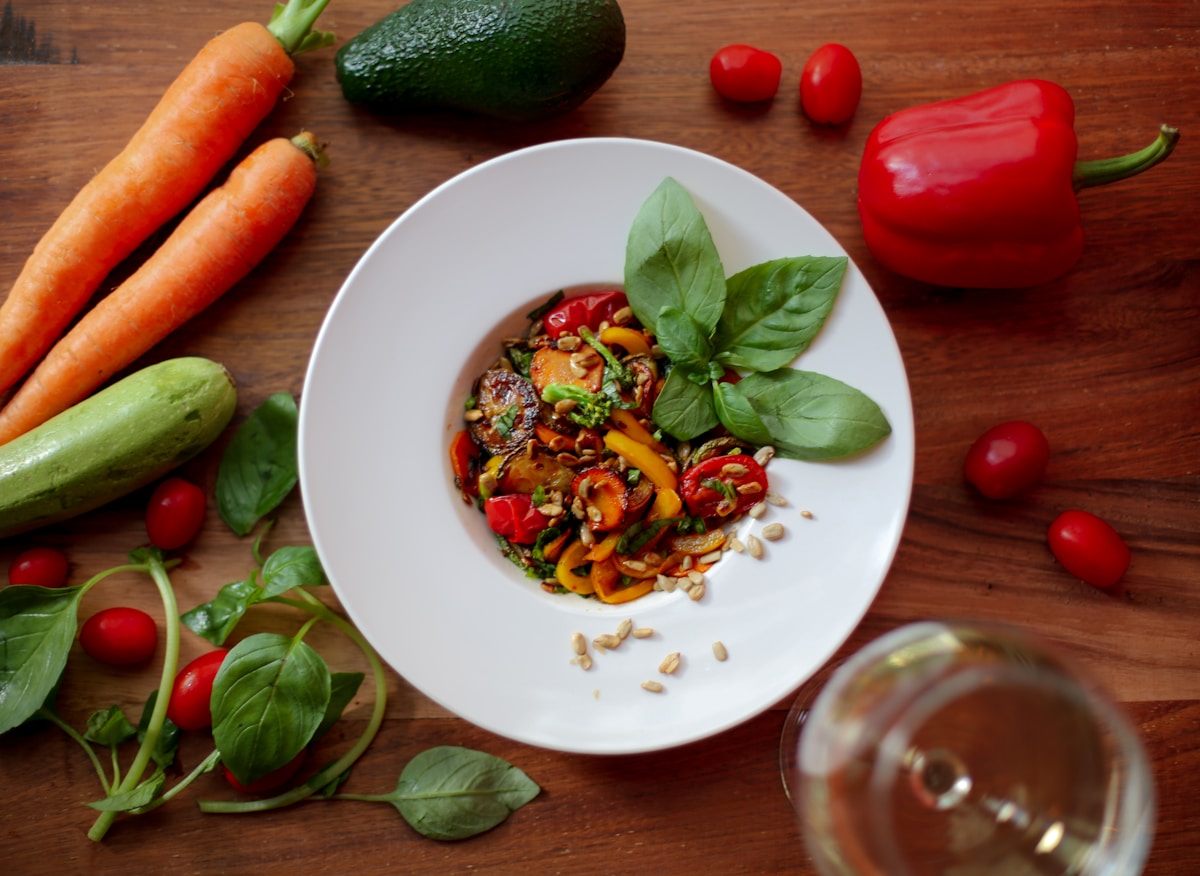
Turkey’s vegan reputation sits somewhere between “surprisingly manageable” and “genuinely difficult” depending on where you are and how much you know about the food system. The country has a centuries-old tradition of olive oil-based vegetable cooking running parallel to its meat culture - knowing how to navigate both makes the difference between eating well and eating by accident.
The zeytinyağlı foundation
The starting point for vegan eating in Turkey is not a dedicated restaurant - it is the zeytinyağlı (olive oil) cooking tradition. Ottoman fasting calendars divided the year into meat days and olive oil days, producing dishes designed without meat or dairy. These remain standard on most Turkish menus:
Mercimek çorbası - red lentil soup. Almost universally vegan; occasionally a small amount of butter is added on top. Ask.
Zeytinyağlı yaprak sarması - vine leaves stuffed with rice, herbs, and currants, cooked in olive oil. Not to be confused with the warm meat version served with yoghurt.
Fasulye piyazı - white bean salad dressed with olive oil, onion, tomato, and parsley. Leave the boiled egg on the side.
Kısır - bulgur wheat salad with pomegranate molasses and herbs. Standard meze; almost always vegan.
Zeytinyağlı enginar - artichoke hearts in olive oil with carrots and lemon. Seasonal but excellent when available.
These dishes are your baseline at any lokanta. The problem is that Turkish restaurants rarely label dishes vegan, and dishes that appear plant-based are often cooked in chicken stock. You need to know the names and ask the right questions.
The vocabulary that actually helps
Turkish cooks don’t operate on a vegan/non-vegan framework. More useful:
- Zeytinyağı ile mi pişti? - Was it cooked with olive oil?
- İçinde et var mı? - Does it contain meat?
- Tavuk suyu kullandınız mı? - Did you use chicken stock?
- Et yemiyorum, tavuk da yemiyorum - I don’t eat meat or chicken.
Chicken stock is the most common hidden ingredient. Many lentil soups, stuffed vegetables, and rice dishes are cooked in tavuk suyu even when no visible meat is present.
Which cities suit which travellers
Turkey’s vegan landscape varies sharply by city type. The honest breakdown:
Istanbul has the most options by volume. Kadıköy on the Asian side has the highest density of dedicated vegan and vegetarian restaurants; Karaköy and Cihangir on the European side have speciality cafes with plant-based menus. The range covers raw food cafes to upmarket plant-based tasting menus. See the Istanbul vegan food guide for the full breakdown.
Ankara is the strongest non-coastal option. The capital’s large university population and diplomatic community have produced a layer of explicitly plant-based cafes that doesn’t exist in smaller Turkish cities. Kızılay district is the focus. See vegan food in Ankara.
İzmir is arguably the easiest city for everyday vegan eating. The Aegean zeytinyağlı tradition runs deep: lokanta menus typically include more naturally plant-based dishes than elsewhere in Turkey, and İzmir’s liberal café culture has driven explicit vegan labelling at a meaningful number of Alsancak restaurants. Boyoz - İzmir’s signature pastry - is vegan by tradition. See the İzmir vegan food guide.
Antalya is workable and improving. The Mediterranean coast’s olive oil and fresh produce tradition helps, but the challenge is distinguishing tourist-facing cafes (limited options) from local restaurants where the zeytinyağlı baseline applies. See vegan food in Antalya.
Smaller and eastern cities are harder. In cities like Erzurum, Van, or Trabzon, the food culture is more heavily meat-focused and zeytinyağlı dishes are less prevalent. You can eat, but you’ll rely on bread, traditional cold dishes, and whatever vegetables appear in the cabinet rather than dedicated vegan options.
Eating vegan at a lokanta
A lokanta is a traditional canteen-style restaurant where the day’s dishes are displayed in a glass cabinet at the front rather than offered from a printed menu. Your approach:
- Walk to the cabinet and look for zeytinyağlı dishes - room temperature, olive oil sheen, no meat visible.
- Ask zeytinyağı ile mi pişti? about anything uncertain.
- Avoid warm dishes unless you have confirmed they are meat-free. Warm stuffed vegetables and rice dishes frequently contain mince or are cooked in meat stock even when they look plant-based.
- A reliable combination: lentil soup + two cold zeytinyağlı dishes + bread.
The bread served with every meal is vegan. Yoghurt and cheese served on the side are not - skip them.
Turkish breakfast
Kahvaltı (Turkish breakfast) is naturally vegan-adjacent. The spread includes olives, tomatoes, cucumbers, bread, and jams. The non-vegan elements - eggs, cheese, butter - are optional additions. At a dedicated breakfast cafe, building a fully plant-based plate from the communal dishes is straightforward without ordering anything special.
For city-specific vegan dining guides: Istanbul, Ankara, İzmir, Antalya, Bodrum.
For your trip: Browse tours and experiences in Turkey - food tours, cooking classes, and hammam experiences are bookable in advance with free cancellation. An eSIM for Turkey keeps you connected for navigating local neighbourhoods.
Plan Your Trip
✈️ Book your flights to Türkiye 🛡️ Get travel insurance 📱 Stay connected with an eSIM 🚗 Rent a car