Turkey and Egypt are two of the world’s greatest historical destinations - both were centres of ancient civilisation, both offer world-class beaches, both have deeply compelling food cultures, and both are significantly cheaper than Western European equivalents. They attract similar travellers: those who want ancient history, warm-weather sun, and excellent value without sacrificing quality. Knowing the difference matters when planning your itinerary.
Quick Verdict
| Category | Turkey | Egypt |
|---|---|---|
| Ancient Ruins | Outstanding (Greek, Roman, Byzantine, Ottoman) | Outstanding (Pharaonic) |
| Beaches | Excellent (Aegean + Mediterranean) | Excellent (Red Sea + Mediterranean) |
| Food Scene | World-class | Very good |
| Cost | Moderate | Low–Moderate |
| Safety | Good | Mixed (varies by area) |
| Infrastructure | Excellent | Moderate |
| Nightlife | Exceptional (Istanbul) | Limited (alcohol restrictions) |
| Best For | First-time Middle East, diversity | Ancient wonders, diving |
Ancient History
Both countries deliver extraordinary ancient history, but from completely different eras and civilisations.
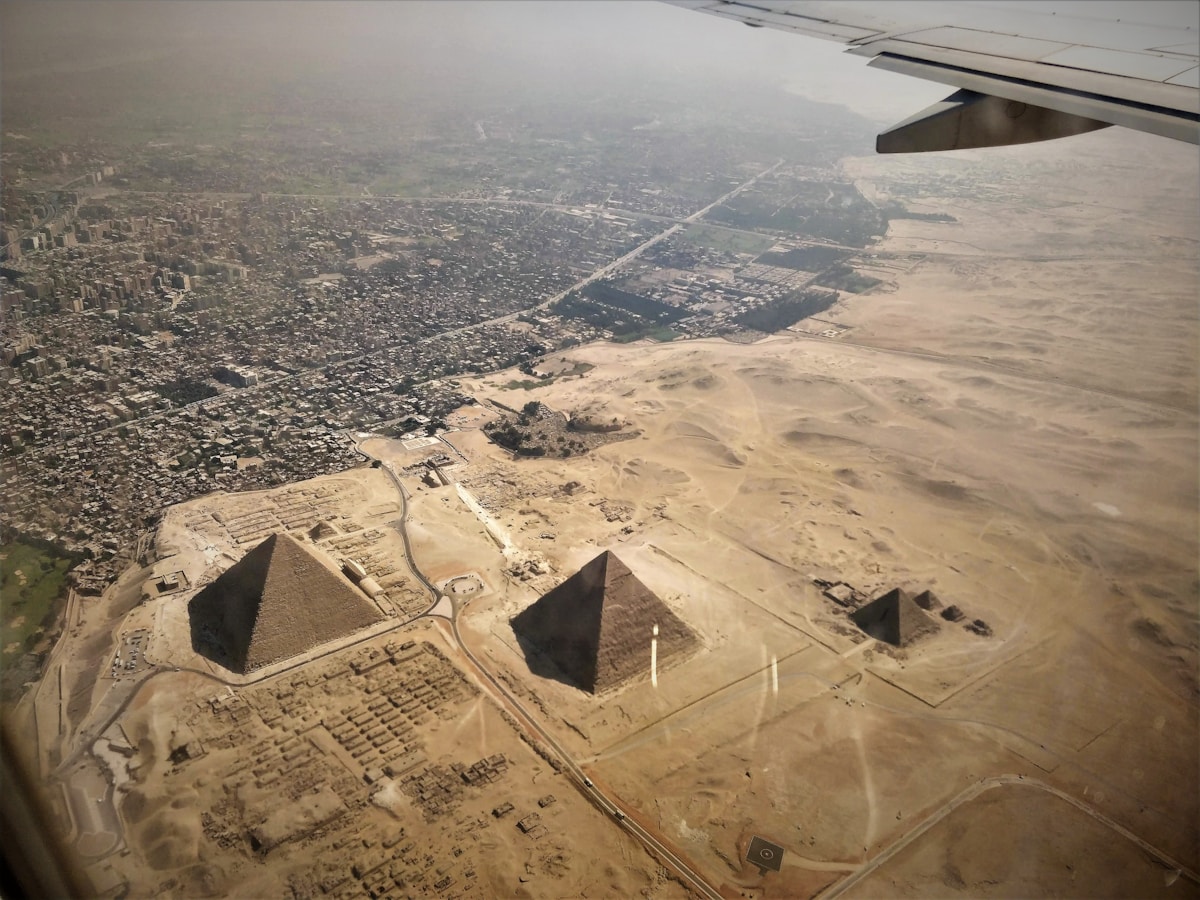
Egypt owns pharaonic history at a scale that nowhere else on earth can match. The Pyramids of Giza - the only surviving Wonder of the Ancient World - sit outside Cairo. Luxor has the highest concentration of ancient monuments anywhere on earth: Karnak Temple, Luxor Temple, the Valley of the Kings (tomb of Tutankhamun entry approximately EGP 4,500 as of 2026), the Temple of Hatshepsut. Abu Simbel is a four-hour drive south and one of the most dramatic ancient sites in the world. If Pharaonic Egypt is the draw, no other destination competes.
Turkey offers different layers of antiquity: Ephesus (one of the best-preserved Greco-Roman cities anywhere, entry approximately ₺640 as of 2026), Troy (the actual site), Pergamon, Aphrodisias, Aspendos. Then Byzantine Istanbul - the Hagia Sophia, Topkapı Palace, the Basilica Cistern - and Ottoman mosques, bazaars, and hammams. Turkey’s historical canvas spans Hittite, Phrygian, Lydian, Greek, Roman, Byzantine, Seljuk, and Ottoman civilisations. No single era reaches Egypt’s pharaonic heights, but the variety is unmatched.
Verdict: Egypt for a specific, singular focus on pharaonic antiquity. Turkey for variety and breadth across multiple civilisations.
Beaches
Turkey beaches are excellent and varied: the Aegean coast (Bodrum, Çeşme, Alaçatı) with turquoise clear water; the Mediterranean/Riviera (Antalya, Side, Alanya, Fethiye) with long sandy stretches and access to Lycian ruins; the Black Sea (different character - green, dramatic). Our city hub for Antalya and Bodrum guide cover the main beach destinations. Turkey’s beach infrastructure is comprehensive: sunbeds, water sports, beach clubs, and all-inclusive resorts.
Egypt beach holidays focus on the Red Sea: Hurghada and Sharm el-Sheikh are purpose-built resort towns with excellent coral reef diving. The water here is exceptionally warm and clear. Egypt also has a small Mediterranean coast near Alexandria. The Red Sea offers some of the world’s best snorkelling and diving (reef fish, sharks, dolphins), but the beach experience is more contained than Turkey’s varied coastline.
Food
Turkey is a world-class food destination. The Istanbul food scene alone - from street simit and börek through meyhane meze to Bosphorus fish restaurants - would justify a trip. Beyond Istanbul: Gaziantep baklava and kebabs (considered the finest in the world), Izmir’s Aegean seafood culture, the spice markets of every Turkish city. Turkey is a vegetarian and vegan’s delight compared to most of the Middle East and North Africa.
Egypt has a strong street food culture: kushari (lentils, pasta, rice, tomato sauce - ₺20–40 equivalent), ful medames (fava beans, eaten at breakfast), kofta, shawarma, and fresh-pressed sugarcane juice. Cairo’s food scene has expanded considerably, with good international and Egyptian fine-dining options. Outside Cairo and the main tourist centres, options narrow. Alcohol is available in licensed venues but Egypt is significantly less alcohol-friendly than Turkey.
Cost Comparison
| Expense | Turkey | Egypt |
|---|---|---|
| Budget hotel | ₺700–1,500/night (~€20–45) | EGP 1,000–2,500/night (~€20–50) |
| Midrange hotel | ₺2,500–5,000/night (~€75–150) | EGP 3,500–8,000/night (~€70–160) |
| Street food meal | ₺30–80/person (~€1–2.5) | EGP 50–150/person (~€1–3) |
| Midrange restaurant | ₺150–300/person (~€4–9) | EGP 300–700/person (~€6–14) |
| Museum entry | ₺300–1,000 | EGP 500–4,500 |
Prices approximate as of 2026. See our Turkey travel costs guide for full Turkey breakdowns.
Both countries offer exceptional value by Western European standards. Egypt’s rock-bottom entry point is lower - budget travellers can survive extremely cheaply in Egypt. However, Egypt’s major attractions (Pyramids, Valley of the Kings) have seen significant entry fee increases in recent years, narrowing the gap for historical sightseers.
Safety
Turkey is generally safe for tourists. Istanbul, Antalya, the Aegean coast, and Cappadocia are well-established, heavily-visited destinations. Standard travel precautions apply. Petty theft in tourist areas is the main concern; violent crime targeting tourists is rare. See our is Turkey safe guide for current detail.
Egypt safety requires more nuance. Cairo and the main tourist circuits (Luxor, Aswan, Red Sea resorts) are operational and heavily visited. However, Egypt’s security situation has historically been more volatile than Turkey’s; the Sinai Peninsula has had restrictions. Check your government’s current travel advisory before booking. Women travelling solo may find Egypt more challenging than Turkey.
Visas
Turkey: Most Western nationalities can purchase an e-Visa online (approximately $50–60 USD as of 2026). See our Turkey visa guide.
Egypt: Most nationalities can obtain a Visa on Arrival at Cairo, Hurghada, or Sharm el-Sheikh airports (approximately $25 USD as of 2026) or e-Visa online. The process is generally straightforward.
All-Inclusive Options
Both countries have strong all-inclusive markets.
Turkey’s all-inclusive resort corridor around Antalya-Belek is one of the largest in the world. See our Turkey all-inclusive resorts guide for the full picture: Rixos, Crystal, Titanic, and hundreds of properties covering every budget tier.
Egypt’s Red Sea resorts at Hurghada and Sharm el-Sheikh have dozens of all-inclusive properties, many built around dive centres. Pricing is competitive with Turkey’s but the resort offer is somewhat more limited in terms of variety.
Getting Around
Turkey has excellent internal transport: high-speed rail between major cities, an extensive domestic flight network, and long-distance buses to virtually everywhere. Within cities, public transport is good to excellent (Istanbul’s metro system is one of the best in the region).
Egypt’s transport is less straightforward: trains connect Cairo, Luxor, and Aswan but with variable reliability; domestic flights are the most comfortable way to move between Cairo and upper Egypt; shared taxis and private vehicles handle most tourist movement. Road conditions outside main highways can be rough.
When to Visit
| Season | Turkey | Egypt |
|---|---|---|
| Spring (Mar–May) | Excellent across the country | Ideal (30°C, pre-summer heat) |
| Summer (Jun–Aug) | Beach season; Istanbul crowded | Very hot (40°C+), avoid Luxor |
| Autumn (Sep–Nov) | Best overall season | Excellent |
| Winter (Dec–Feb) | Istanbul/Ankara cool; coast quieter | Perfect (20–27°C) |
Turkey is comfortable year-round but summer heat is intense in the east and southeast. Egypt’s best season is October to March - summer in Luxor and Aswan (50°C possible) is genuinely challenging. See our best time to visit Turkey guide.
Which to Choose
Choose Turkey if:
- This is a first major historical trip and you want civilisational variety
- Great food, nightlife, and liberal atmosphere matter
- You want beaches alongside history in a single trip
- You’re solo travelling or in a mixed group with diverse interests
- Alcohol availability is important
Choose Egypt if:
- The Pyramids and pharaonic antiquity are the specific goal
- Red Sea diving is a priority
- You’re on a tight budget and want maximum historical value
- You’ve already visited Turkey and want a different ancient world experience
Do both: Egypt → Turkey is a logical Eastern Mediterranean circuit. Cairo (3 nights) → Luxor (2 nights) → fly to Istanbul (3–4 nights) → Aegean or Turkish coast (3–4 nights) is a 10–14 day route that covers two of the ancient world’s greatest civilisations without requiring excessive backtracking.
Frequently Asked Questions
Is Turkey or Egypt better for families? Turkey generally. Turkey’s family tourist infrastructure is exceptionally developed: all-inclusive resorts with kids’ clubs, water parks, child-friendly transport, and comprehensive tourist facilities across the coast and major cities. Egypt with children is manageable but requires more planning - tourist sites involve long drives, extreme heat in summer, and a less developed resort infrastructure outside the Red Sea. Turkey’s coast offers an easier family holiday experience for most.
Which country has better beaches, Turkey or Egypt? Different rather than better. Turkey’s Aegean and Mediterranean coastline is exceptional: turquoise water, varied geography from dramatic coves (Kaputaş) to long sandy Riviera beaches (Antalya), and a sophisticated beach club and water sports infrastructure. Egypt’s Red Sea offers some of the world’s best coral reef diving and snorkelling in warm, calm water, but the coastal landscape is more desert-on-sea than the pine-and-turquoise Aegean. If swimming and sunbathing on varied beaches is the goal, Turkey wins. If coral reef diving is the specific draw, Egypt’s Red Sea is hard to beat.
Is Turkey safer than Egypt for tourists? Generally yes - Turkey’s main tourist destinations are consistently rated safer for international visitors, and the experience for solo female travellers is typically easier in Istanbul and the Turkish coast than in Egypt. That said, Egypt’s main tourist circuits (Pyramids, Luxor, Red Sea resorts) receive millions of visitors annually and are managed for tourism. Check current government travel advisories for both countries before booking.
Essential extras: An eSIM for Turkey from Airalo gives you mobile data from the moment you land - no airport SIM queue, no physical card. Travel insurance for Turkey should cover medical costs; Turkish private hospitals charge full rates for uninsured visitors.
Plan Your Trip
✈️ Book your flights to Türkiye 🛡️ Get travel insurance 📱 Stay connected with an eSIM 🚗 Rent a car