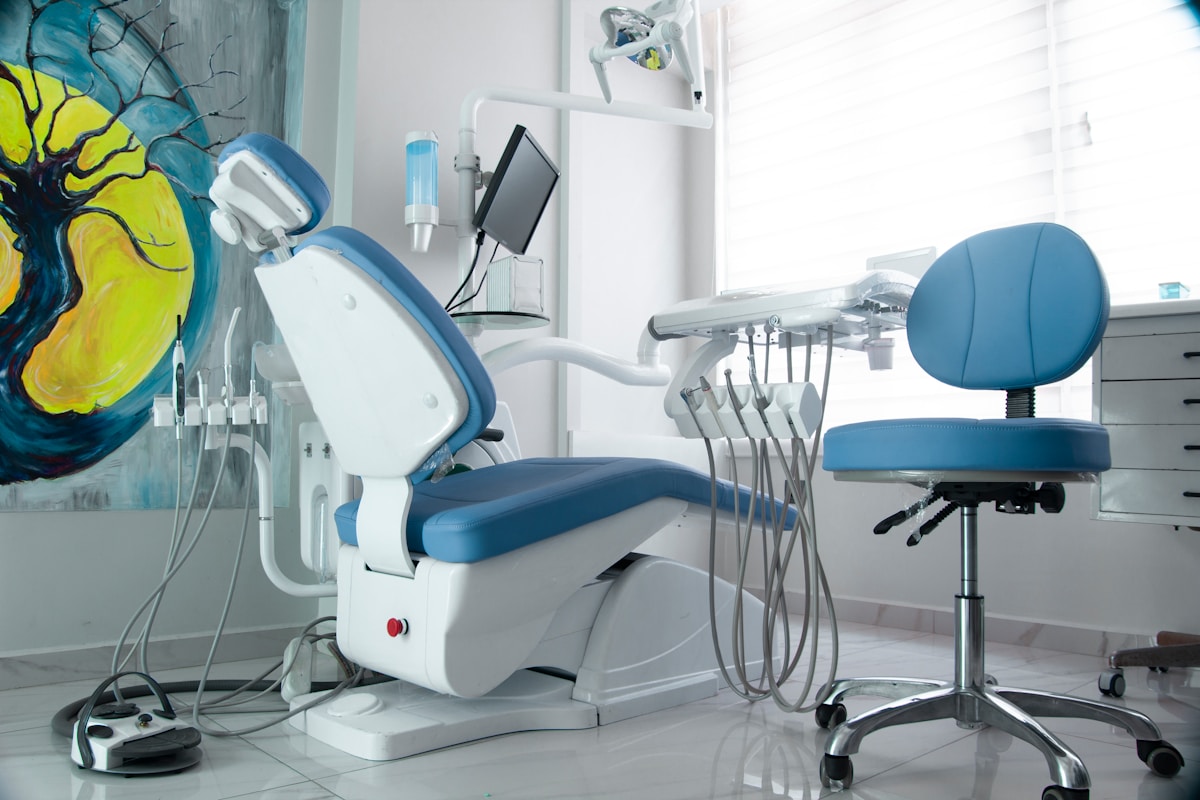
Turkey receives over 1.5 million medical tourists annually, with Istanbul as the dominant hub. The draw is straightforward: procedures at JCI-accredited hospitals cost a fraction of equivalent treatments in Western Europe, the UK, or the US, and the healthcare infrastructure in major Turkish cities is substantial. This guide covers the main treatment categories, what to look for in providers, realistic pricing, and the practical logistics of combining a medical procedure with a stay in Turkey.
Why Turkey for Medical Treatment?
Cost differential: Dental work, hair transplants, and cosmetic surgery in Turkey typically cost 50–80% less than equivalent procedures in the UK, Germany, or the US. For a dental implant costing approximately £2,500 in the UK, the equivalent procedure at a reputable Istanbul clinic typically costs approximately €600–900. This arithmetic makes the cost of flights and accommodation negligible.
Hospital quality: Turkey has approximately 50 JCI-accredited hospitals - more than most European countries. These facilities use the same medical equipment, implant systems, and surgical techniques as Western hospitals, staffed by surgeons trained in Europe or the US, often with English-language capabilities. The accreditation standard is verifiable and not self-reported.
Infrastructure: Istanbul is a short flight from most European cities (2–4 hours). The city has a well-developed medical tourism ecosystem: agencies that coordinate appointments, accommodation, airport transfers, and translation; clinics that communicate in English, German, Arabic, and Russian; and hotels near the main medical districts that are experienced in hosting post-procedure patients.
Dental Tourism
Dental treatment is the most common reason for medical tourism to Turkey. The cost gap is widest for high-value restorative work: implants, crowns, veneers, and full-mouth reconstructions.
Dental implants: A single implant with crown at a reputable Istanbul clinic costs approximately €600–900 as of 2026. The same procedure in the UK runs £2,000–3,500; in Germany €1,500–3,000. A full arch (8–12 implants) at €6,000–10,000 compares to £25,000–40,000 in the UK.
Porcelain veneers: Approximately €200–350 per tooth in Turkey compared to £500–1,000+ in the UK.
Hollywood Smile package (full-mouth porcelain crowns or veneers): Turkish clinics widely market packages covering 18–20 crowns or veneers with hotel, transfers, and aftercare typically for €3,000–6,000. This is a substantial procedure - full-mouth preparation requires healthy tooth reduction and a significant investment; it is not reversible. Ensure you have a detailed treatment plan with materials specified before committing.
What to verify before booking dental work:
- Which implant system is used (Nobel Biocare, Straumann, and Zimmer are recognised international brands; unknown Chinese-manufactured implants are cheaper but not equivalent)
- The dentist’s qualifications and any international training
- The clinic’s sterilisation protocols and equipment
- Whether the final restoration uses digital scanning (CAD/CAM milling) or manual laboratory work
- What the aftercare protocol includes if issues arise post-return
Istanbul dental districts: Most established dental clinics concentrate in Şişli, Nişantaşı, and Kadıköy. Prices in tourist areas of the old town (Sultanahmet, Grand Bazaar vicinity) tend to be higher with more variable quality.
Hair Transplants
Turkey handles more hair transplant procedures per year than any other country. Istanbul alone is estimated to perform 150,000–200,000 hair transplant procedures annually, making it the global centre of the industry.
Techniques:
- FUE (Follicular Unit Extraction): Individual follicular units extracted from the donor area and implanted one by one. The dominant technique. Scarring is minimal; recovery is approximately 1–2 weeks for the initial phase, with full results visible at 12 months.
- DHI (Direct Hair Implantation): A variation of FUE where extraction and implantation happen simultaneously using a specialist pen device. Claims to produce higher density. Typically more expensive.
Pricing: FUE procedures in Turkey cost approximately €1,200–2,500 for up to 2,000–3,000 grafts; larger sessions (4,000+ grafts) cost €2,000–4,500. Package prices typically include: procedure, 2 nights’ accommodation, airport transfers, post-procedure hair care kit, and one follow-up consultation. Prices have risen significantly since 2020 but remain substantially below UK (£5,000–15,000) or German (€4,000–10,000) equivalents.
What to verify:
- Who performs the procedure - in some clinics the surgeon only handles the initial consultation and the actual extraction/implantation is done by technicians (less regulated)
- The maximum number of grafts per session (experienced surgeons typically do 2,000–3,500 grafts per day for quality control)
- Before/after photos with real patients, verifiable if possible
- Follow-up protocol - good clinics schedule a 1-month and 12-month remote consultation
Recovery and flying: Hair transplant recovery is approximately 2–3 days before you can wear a cap; 7–10 days before normal activity. Flying is possible after 2–3 days but can be uncomfortable. Most Istanbul clinics recommend a minimum 3-night stay.
Cosmetic Surgery
Turkey has a well-developed cosmetic surgery sector with internationally trained plastic surgeons in Istanbul, Ankara, and İzmir. Common procedures include rhinoplasty, breast augmentation, liposuction, and blepharoplasty (eyelid surgery).
Rhinoplasty (nose surgery): Approximately €2,000–5,000 at an accredited Istanbul clinic compared to £6,000–12,000 in the UK or €5,000–15,000 in Germany. Prices vary by surgeon seniority, anaesthesia type, and hospital facility.
Breast augmentation: Approximately €2,500–5,000 including implants and hospital stay, compared to £5,000–10,000 in the UK.
What is non-negotiable for cosmetic surgery:
- Surgery should take place in a JCI-accredited hospital or equivalent, not in a clinic without operating theatre certification
- A pre-operative consultation with the actual surgeon (not a coordinator) is mandatory
- Adequate recovery time before flying - typically 1–2 weeks minimum for major procedures
- Understanding the aftercare requirements and what happens if complications arise after you return home
Flying after surgery: Airlines have policies on flying post-procedure that vary by operation type. Deep vein thrombosis risk increases significantly after major surgery and long flights. Follow your surgeon’s guidance on travel timing, not the minimum allowed by airline policy.
JCI-Accredited Hospitals in Turkey
The Joint Commission International maintains a searchable list at jointcommissioninternational.org. Always verify independently rather than relying on a clinic’s claims. Major accredited hospitals relevant to medical tourism include:
Istanbul: Acıbadem Group (multiple branches), Koç University Hospital, American Hospital (Amerikan Hastanesi), Florence Nightingale Hospital Group, İstanbul Cerrahi Hastanesi.
Ankara: Başkent University Hospital, Hacettepe University Hospital (academic centre), Ankara Private Hospital.
Izmir: Konak Hospital, Medical Park İzmir.
JCI accreditation covers the full hospital - theatres, infection control, nursing care, and emergency protocols - and is meaningfully different from an individual surgeon’s training certificate.
Practical Logistics
Finding a clinic: The Medical Travel Quality Alliance (MTQUA) and the Turkish Healthcare Travel Council (TSSK) both maintain directories of vetted providers. Avoid clinics that approach you through social media advertising without providing verifiable credentials.
Language: Major Turkish medical facilities catering to international patients have English-speaking medical staff and patient coordinators. Dental and hair transplant clinics widely offer Arabic, German, and Russian alongside English.
Accommodation: Most clinics arrange hotel accommodation as part of packages. The Nişantaşı, Şişli, and Harbiye districts of Istanbul have numerous hotels catering to medical tourists, within walking distance of or short taxi ride from major clinics.
Insurance: Standard travel insurance does not typically cover elective procedures. Some specialist medical travel insurance policies are available - check the specific coverage for your procedure type before you travel. Ensure you understand what happens if you need post-return treatment in your home country.
Combining with tourism: Many medical tourists build a few days’ sightseeing around their procedure, either before (when fully mobile) or after recovery. Istanbul’s combination of world-class hotels, cuisine, and cultural sights makes this easier than in some purely clinical destinations. Avoid strenuous activity and sun exposure post-procedure.
Checklist Before Booking
- Verify hospital or clinic JCI accreditation on the official JCI website
- Request full treatment plan in writing with materials and technique specified
- Request verifiable before/after photos with patient consent documentation
- Confirm the qualification and training of the specific surgeon or dentist
- Clarify what the package price includes and excludes
- Understand the aftercare protocol and what happens if complications arise
- Check airline policies on flying post-procedure for your specific operation
- Arrange specialist medical travel insurance if needed
- Allow adequate recovery time - plan your itinerary accordingly
Cover worth arranging: VisitorsCoverage offers straightforward single-trip and multi-trip cover for Turkey - compare plans before departure. An eSIM for Turkey is a practical pairing: activate before you land and you have data immediately on arrival.
Plan Your Trip
✈️ Book your flights to Türkiye 🛡️ Get travel insurance 📱 Stay connected with an eSIM 🚗 Rent a car