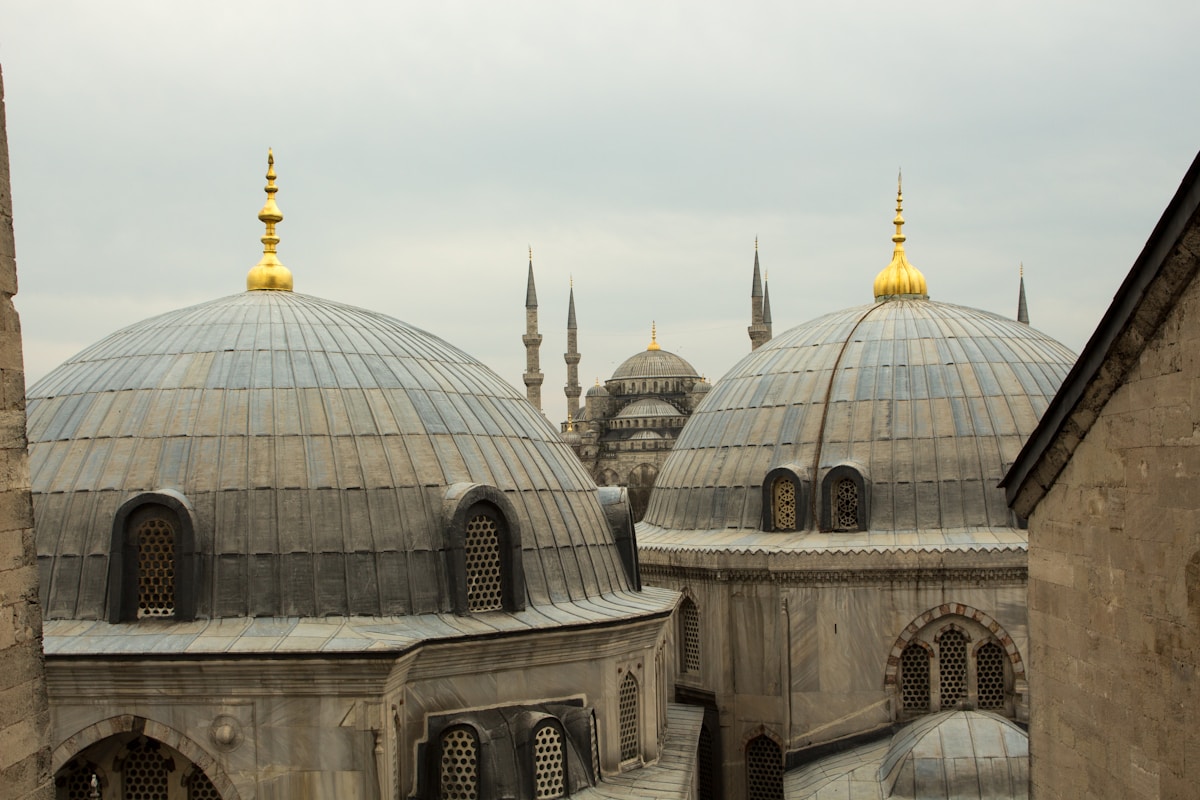
Istanbul is not one city but several layered on top of each other. The Historic Peninsula holds the Byzantine and Ottoman monuments that anchor most first visits. Beyoğlu, across the Golden Horn, runs from the restored Ottoman waterfront of Karaköy up through the Galata Tower to the pedestrian energy of İstiklal Avenue. The Asian side - a ferry ride across the Bosphorus - has a different tempo altogether, more residential and local in character.
Within these broad zones, individual neighbourhoods have distinct personalities. This guide covers four that are most relevant to visitors making choices about where to stay or where to spend an afternoon.
Kadıköy - The Asian Side’s Living Room
Kadıköy sits on the Asian shore, a 20-minute ferry from Eminönü or Karaköy on the European side (approximately ₺35–50 per crossing). It is the most liveable neighbourhood in Istanbul for food, coffee and everyday urban atmosphere - a fact that Istanbul’s own residents will tell you unprompted.
The market (çarşı): The lanes behind the main square contain one of the city’s best covered food markets. Fish sellers, spice merchants, pickle shops, cheesemakers and olive vendors crowd the interior. The surrounding streets have some of the city’s best produce shops and specialist deli-style stores. Go on a weekday morning for the least crowded experience.
Moda: The quiet residential quarter at the southern tip of Kadıköy, facing the Bosphorus, is where young Istanbul professionals cycle, drink flat whites in independent cafés and brunch on weekends. The Moda coastline walk along the water’s edge is a pleasant 30–40 minute stroll.
Restaurants: Çiya Sofrası (Güneşlibahçe Sokak, Kadıköy) is the most famous restaurant on the Asian side - a canteen-style institution run by chef Musa Dağdeviren, serving regional Anatolian dishes that change daily. Mains approximately ₺150–300 as of 2026. Expect a queue at peak lunch hours; it is worth the wait. For a sit-down meyhane (Turkish tavern) experience with meze and rakı, the side streets around the market have several reliable options in the ₺200–400 per person range.
Where to stay: Hotel accommodation is limited compared to the European side, but growing. Serafim Hotel near the ferry terminal offers mid-range comfort from approximately ₺2,000–2,800/night. Several boutique guesthouses have opened in Moda, running from ₺1,800–3,000/night.
Getting there: IDO ferry from Eminönü or Karaköy (fastest and most scenic). Metro M4 connects Kadıköy to Sabiha Gökçen Airport and continues to Pendik for ferry connections to Yalova and Bursa.
Balat - Colour, History and Gentrified Lanes
Balat is a neighbourhood of steep, narrow streets and painted wooden houses in the western part of the Historic Peninsula, overlooking the Golden Horn. It was historically one of Istanbul’s Jewish quarters - the Ahrida Synagogue, one of the oldest in Istanbul (founded 15th century), stands here - and later became one of the city’s most neglected inner-city districts. Over the past 15 years it has been heavily gentrified, with colourful house restorations, boutique cafés and small guesthouses bringing a new layer of tourist attention.
The houses: The most photographed street is Vodina Caddesi and its surroundings - rows of restored Ottoman wooden houses painted in muted pastels. The colours are visually striking and the streets genuinely photogenic. Go in the morning for the best light and before tour groups arrive.
Fener: Balat blends into the adjacent Greek neighbourhood of Fener. The Greek Orthodox Patriarchate (Ekümenik Patrikane) is here - the centre of Eastern Orthodox Christianity and still operating as the ecumenical headquarters. Visiting the courtyard is possible; the Patriarchate church itself has occasional visitor hours.
Cafés and food: Café İmece near the main square is one of the originals - Turkish breakfast plates approximately ₺100–180 per person. Several brunch cafés have opened along Vodina Caddesi in recent years. For lunch, traditional lokanta (casual restaurant) near the Balat fish market serves simple plates of beans, rice and soup for ₺40–80.
Where to stay: Small boutique guesthouses have opened in restored Ottoman buildings. Prices range from approximately ₺1,500–2,800/night. The neighbourhood is pedestrian-friendly but the streets are steep - consider this if you have heavy luggage.
Getting there: Tram T1 to Eminönü then a 15-minute walk north along the Golden Horn, or taxi (approximately ₺100–150 from Taksim). Not directly served by metro.
Karaköy - The Galata Waterfront
Karaköy is the European waterfront neighbourhood below the Galata Tower, at the point where the Golden Horn meets the Bosphorus. It was historically Istanbul’s commercial port and Jewish trading district. Now it is a dense concentration of contemporary galleries, rooftop bars, boutique hotels and the best coffee shops in the city.
Galata Tower: The 14th-century Genoese tower dominates the skyline and offers the best elevated view of the city - entry approximately ₺400–500 as of 2026. The queue is substantial in summer; book online or arrive at opening time.
The hans: Several historic Ottoman hans (commercial warehouses) in the Galata district have been converted into design studios, cafés and small shops. Bankalar Caddesi (Banks Street) retains its original architectural scale and has a cluster of good independent bookshops and galleries.
Karaköy Güllüoğlu: The most famous baklava shop in Istanbul (and arguably in Turkey) is on Rıhtım Caddesi in Karaköy. A portion of mixed baklava costs approximately ₺80–150. Go after a ferry arrival - it’s effectively on the way from the pier.
Restaurants: Tom Tom Kitchen near Galata is known for creative Turkish-Mediterranean cooking, mains ₺200–350. For something more casual, the fish sandwiches sold from boats at the Karaköy ferry pier are a local institution - approximately ₺60–80 for a balık ekmek (fish bread).
Where to stay: Several of Istanbul’s better boutique hotels are in Karaköy and the Galata area. The Stay Istanbul on Tımarcı Sokak, apartments from approximately ₺2,500–4,000/night, is a well-regarded option. Nişantaşı and Beyoğlu hotels are a 10–15 minute walk up the hill.
Getting there: Tram T1 (Karaköy stop), funicular F1 (connects Karaköy to Beyoğlu/Tünel). The Karaköy-Eminönü IDO ferry terminal also connects to Kadıköy and other Asian-side destinations.
Beşiktaş - Istanbul Without the Tourism Gloss
Beşiktaş is a European-side neighbourhood north of Beyoğlu along the Bosphorus shore, flanked by the Dolmabahçe Palace on the south and Ortaköy on the north. It has a reputation among Istanbul residents as one of the most authentically local areas of the European city - a place where office workers, university students and football supporters (it’s home to Beşiktaş JK’s Vodafone Park stadium) mix without the tourist-facing character of Sultanahmet or the self-conscious cool of Karaköy.
Çarşı Market: The indoor-outdoor market complex below the main square sells everything from fresh produce to hardware. The fish market section is among the city’s freshest. Less curated than the markets in Kadıköy but more genuine in its everyday character.
Ortaköy: 1.5km north of Beşiktaş centre, Ortaköy is one of the most photographed corners of Istanbul: the baroque Ortaköy Mosque reflected in the Bosphorus with the Bosphorus Bridge in the background. Ortaköy has a small craft market at weekends and is famous for kumpir (stuffed baked potato with toppings) from street vendors - approximately ₺60–100 per serving.
Bosphorus walking: The waterfront promenade from Beşiktaş to Ortaköy (and beyond to Arnavutköy) is one of the best walks in Istanbul - flat, with consistent Bosphorus views and tea gardens at intervals.
Restaurants and bars: Beşiktaş has a high concentration of meyhane and local fish restaurants relative to tourist areas. Hamdi Et Lokantası (not the famous Eminönü one, but a local namesake) and several fish meyhane on the side streets off Çarşı serve mains in the ₺150–280 range. For something livelier, Nişantaşı (10 minutes by bus) has Istanbul’s highest concentration of international restaurants and bars.
Where to stay: The W Istanbul in Beşiktaş is the neighbourhood’s flagship hotel, on the Bosphorus shore, with rooms from approximately ₺6,000–10,000/night. More affordable options are limited here - Beşiktaş is primarily a residential neighbourhood rather than a hotel district. Most visitors stay in Taksim or Galata and visit Beşiktaş on a half-day.
Getting there: Ferry from Eminönü or Karaköy (Beşiktaş ferry terminal). Bus from Taksim (M1 bus, approximately 15–20 minutes). Metro M6 connects to Levent and Maslak for business district connections.
Quick Comparison
| Neighbourhood | Best for | Typical mid-range hotel | Transport to sights |
|---|---|---|---|
| Sultanahmet | Sightseeing proximity | ₺2,000–4,000/night | Walking to main sites |
| Beyoğlu/Galata | Restaurants, nightlife | ₺2,500–4,500/night | Tram + metro |
| Kadıköy | Food, local atmosphere | ₺1,800–2,800/night | Ferry to European side |
| Balat | Character, photography | ₺1,500–2,500/night | Walk + tram |
| Karaköy | Design hotels, coffee | ₺2,500–4,000/night | Tram + ferry |
| Beşiktaş | Bosphorus views, local life | ₺6,000+ (luxury) | Ferry + bus |
Neighbourhood deep dives: Balat guide · Karaköy guide · Kadıköy guide · Beşiktaş guide · Istanbul best hotels · Istanbul travel guide
Search hotels in Istanbul on Booking.com
For your visit: Browse tours and activities in Istanbul for guided experiences in Istanbul - walking tours, day trips, and activity bookings are available with free cancellation. An eSIM for Turkey keeps you connected without airport SIM queues, and travel insurance covers medical costs and cancellations.