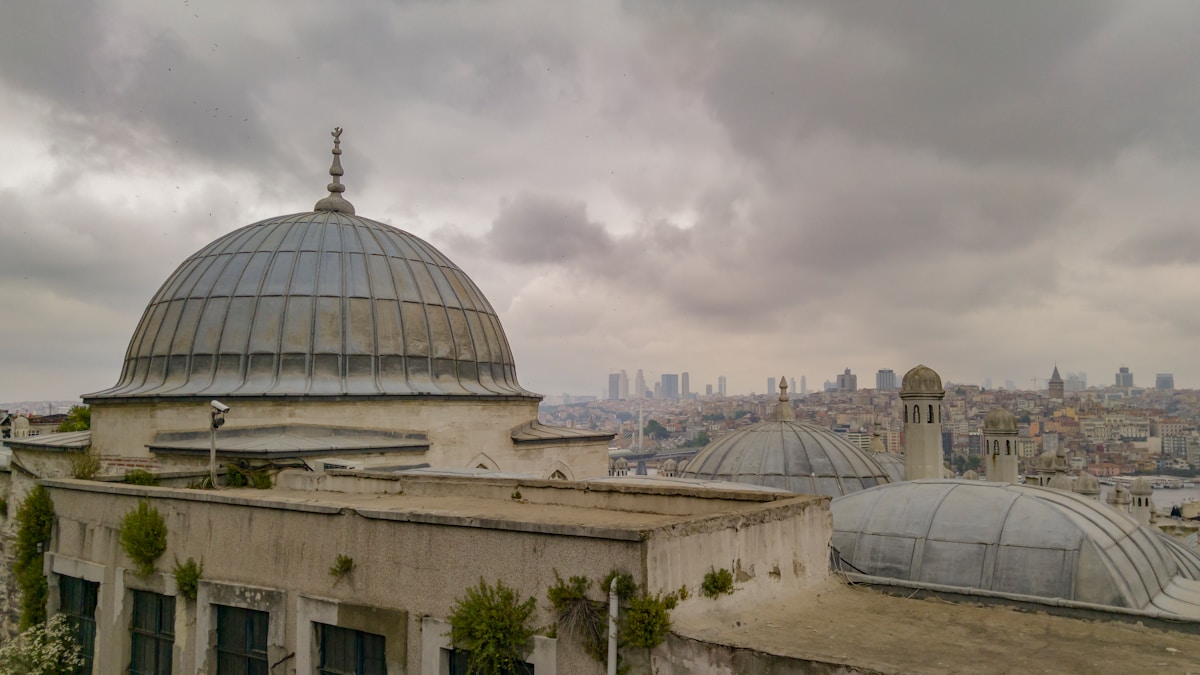
Beşiktaş runs along the Bosphorus shore between Karaköy and the northern village of Bebek. The neighbourhood is defined by three converging forces: an intense football culture built around Beşiktaş JK, one of Turkey’s oldest and most supported clubs; outstanding Bosphorus access including the sub-district of Ortaköy; and a fish market and meyhane scene that makes it one of Istanbul’s better destinations for evening dining.
Unlike Beyoğlu or Sultanahmet, Beşiktaş has no single headline sight that draws visitors independently. Its appeal is cumulative - the combination of the waterfront, the food market, the energy of a lived-in neighbourhood, and the drama of the stadium and Ortaköy mosque together.
Getting to Beşiktaş
Buses and minibuses from Taksim reach Beşiktaş in approximately 15–25 minutes depending on traffic. The ferry from Eminönü is more reliable in traffic and takes around 20 minutes; it docks directly at the Beşiktaş waterfront. From Karaköy, the Bosphorus shore road runs north to Beşiktaş - a walk of approximately 45 minutes with good views, or a short taxi ride.
The metro M2 from Taksim extends to Beşiktaş, making connections from the city centre straightforward.
The Fish Market and Çarşı
The Beşiktaş market area, concentrated around and under the elevated road near the square, is one of Istanbul’s most genuinely local markets. The fish market (balıkçılar) sells the morning’s catch; the surrounding stalls carry produce, olives, and daily goods. This is not a tourist market - prices are local, the stalls are compact, and the pace is fast. Morning visits are best.
The Beşiktaş Çarşısı (bazaar) extends through several covered passages near the main square and sells everything from household goods to fresh vegetables. The fish sandwiches sold from small stalls near the waterfront - fresh mackerel or similar, grilled and served in bread with salad - are an Istanbul classic and in Beşiktaş they cost approximately ₺60–80 as of 2026.
Ortaköy
Ortaköy is the most visited part of Beşiktaş - a small square on the Bosphorus shore approximately 2 kilometres north of the main neighbourhood. The Büyük Mecidiye Mosque (commonly called the Ortaköy Mosque), built in 1856 by the same architect responsible for Dolmabahçe Palace, sits directly on the waterfront with the Bosphorus Bridge as backdrop. The combination of the baroque Ottoman mosque and the suspension bridge above it is one of Istanbul’s most reproduced images.
The square fills on weekends with a craft and antique market running roughly 10am–7pm. Food stalls sell kumpir - large baked potatoes split open and loaded with toppings (cheese, sweetcorn, sausage, pickles, whatever you choose). A kumpir costs approximately ₺80–120 as of 2026 and is a legitimate Ortaköy tradition rather than a tourist invention. Ice cream and waffle stalls complete the picture.
Weekday mornings in Ortaköy are considerably quieter than weekend afternoons. The mosque is open for non-Muslim visitors outside prayer times.
Çırağan Palace (Kempinski)
The Çırağan Palace Hotel Kempinski is the only Ottoman imperial palace converted into a luxury hotel in Istanbul. Built for Sultan Abdülaziz in the 1860s, the building occupied a Bosphorus waterfront site that the sultan considered the finest in the city. The main palace building was gutted by fire in 1910 and the restoration that produced the current hotel was completed in 1991. The original palace facade - elaborate late Ottoman baroque stonework - faces directly onto the Bosphorus.
Non-guests can access the hotel for dining and drinks. The waterfront restaurant and terrace are among the most atmospheric places to eat on the Bosphorus. Budget approximately ₺500–1,000 per person for food and drinks as of 2026. A drink at the terrace in early evening, watching ferries cross the Bosphorus as the light changes, is one of Istanbul’s better leisure experiences.
Vodafone Park
Beşiktaş JK’s stadium opened in 2016 on the same Bosphorus waterfront site as the club’s previous ground. At full capacity of approximately 42,000, it is one of the louder stadiums in Turkey - the steep seating and enclosed design concentrate noise considerably. The stadium’s location directly adjacent to the Bosphorus is unique in European football.
The stadium museum is open on non-match days; entry is approximately ₺150 as of 2026. The museum covers the club’s history from 1903, its three league championships in the 2000s and 2010s, and the transition from the old İnönü Stadium. On match days, the surrounding streets are busy from mid-afternoon - if you want dinner in the area on a match night, book in advance and plan for delays getting to and from.
Bebek and Arnavutköy
North of Ortaköy, the Bosphorus villages of Arnavutköy and Bebek are technically separate from Beşiktaş but accessible by bus along the shore road. Arnavutköy is known for its wooden yalı waterfront houses - the traditional Ottoman Bosphorus villas that have mostly been converted to restaurants and upscale residences. The main street has a concentration of fish restaurants that are among the most expensive in Istanbul but also among the best.
Bebek is upscale and residential, with significant expat and diplomatic community presence. Bebek Kahve, the café on the waterfront, is one of Istanbul’s most established café traditions - tea and coffee on a wooden dock above the Bosphorus. Prices are higher than typical Istanbul cafes; the location explains why.
Evening in Beşiktaş
After dinner - whether at the fish market, a meyhane on the side streets, or a restaurant in Ortaköy - the area around Beşiktaş square stays lively until late. The side streets have bars ranging from neighbourhood dives to more designed spaces. The overall character is local: younger crowd, lower tourist density than Beyoğlu, and a straightforward approach to a late evening that suits the neighbourhood’s self-sufficient energy.
Search hotels in Istanbul on Booking.com
For your visit: Browse tours and activities in Istanbul for guided experiences in Istanbul - walking tours, day trips, and activity bookings are available with free cancellation. An eSIM for Turkey keeps you connected without airport SIM queues, and travel insurance covers medical costs and cancellations.
See also: Istanbul travel guide · Istanbul neighbourhoods overview · Kadıköy guide · Bosphorus cruise guide · Istanbul things to do