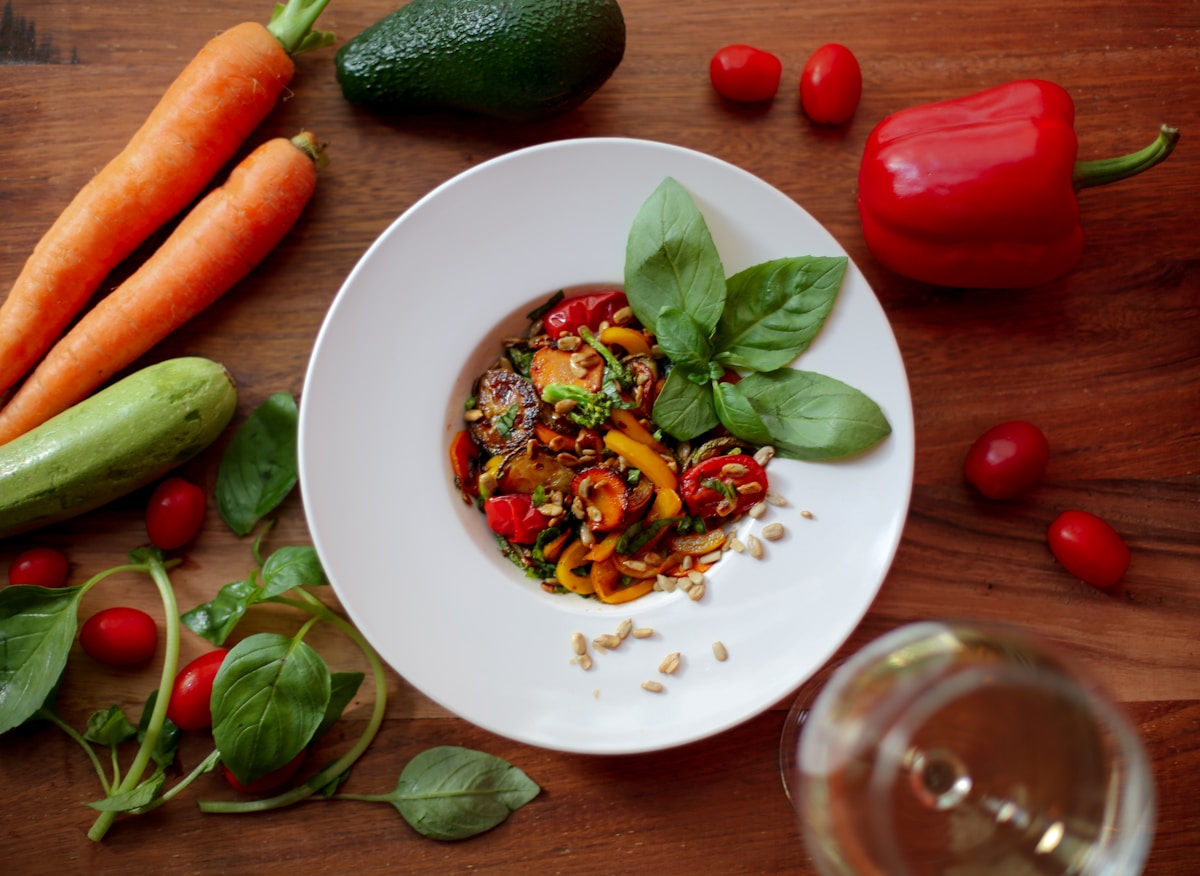
Edirne is a challenging city for vegan eating - the city’s culinary identity is built around liver (ciğer) and the Ottoman meat-heavy cooking tradition. The zeytinyağlı baseline of Turkish cuisine provides options, but specific vegan-labelled food is essentially absent outside of basic market eating.
The practical strategy in Edirne is lokanta-focused: the bean and lentil dishes at any lunch restaurant are reliably available, and the Trakya plain’s vegetable produce (peppers, tomatoes, aubergines) is excellent in season.
The plant-based baseline
Mercimek çorbası: Red lentil soup - the daily staple. Confirm no butter finish (ask “tereyağsız olur mu?”).
Kuru fasulye: White bean casserole - the most reliable vegan main at any lokanta. Confirm stock is vegetable-based rather than meat stock; in a Thracian lokanta this requires asking.
Zeytinyağlı vegetables: Aubergine, green beans, and peppers cooked in olive oil - available at lokantas and restaurants in summer (June–September). Trakya peppers and aubergines are particularly good in season.
Pilav: Rice - confirm oil not butter preparation.
Salad: Turkish salad (domates salata: tomatoes, cucumber, onion, olive oil, lemon) is reliably vegan and very good in summer when Trakya tomatoes are at peak quality.
Market produce
The Thrace plain is productive agricultural land:
Peppers: Trakya peppers - thin-walled, sweet, excellent raw or roasted. Available at market stalls June–October. ₺20–50/kg.
Tomatoes: The local tomato varieties grown for Thracian consumption are genuinely good in summer (July–September).
Sunflower seeds: The Thracian plain is Turkey’s primary sunflower growing region. Roasted sunflower seeds (çekirdek) are a snack at every market; sunflower oil is the dominant cooking oil in this region.
What to avoid
Liver (ciğer): The defining Edirne food - not vegan, obviously.
Kavurma: Lamb in rendered fat - not vegan.
Badem ezmesi (almond paste): The almond paste is typically made with just almonds and sugar - potentially vegan, but some preparations add egg white for binding. Ask: “yumurta var mı?” (Is there egg?).
Börek: Cheese and egg pastry - not vegan.
Turkish vocabulary
| Turkish | Meaning |
|---|---|
| Vegan | Vegan |
| Et yok | No meat |
| Süt yok | No dairy |
| Tereyağsız | Without butter |
| Zeytinyağlı | Olive oil preparation |
| Yumurta var mı? | Is there egg? |
| Bu vegan mı? | Is this vegan? |
Practical summary
Edirne is not a vegan-friendly city - it is a city whose food identity is built on animal products. The practical approach is:
- Eat lokanta lunches focused on lentil soup and bean casserole
- Buy market produce and eat from the stalls in summer
- Accept that dinner options will be limited to carefully selected meze at a meyhane
- Don’t come to Edirne primarily for the food if vegan eating is a priority
The Selimiye, the Ottoman architecture, and the Kırkpınar experience are the reasons to visit; the food will require navigation.
Best self-catering options
Ali Paşa Bazaar produce stalls: The bazaar has a daily produce section (closes by 14:00) with Trakya peppers, tomatoes, aubergines, and fresh herbs from the Thrace plain. This is the most direct source for vegan self-catering ingredients in Edirne.
Local olive oil: Trakya is an olive-growing region and the bazaar stalls sell locally produced olive oil by the litre. ₺80–150/litre.
Sunflower oil products: The Thrace plain is Turkey’s sunflower heartland. Roasted sunflower seeds (çekirdek) are sold by weight at every market stall. ₺15–30 for a 100g bag — a genuinely local snack.
Bread (fırın): The town bakery near the bazaar opens at 06:30 and sells fresh sesame-seeded loaves through the morning. ₺15–25 per loaf.
Lokanta ordering strategy
At a Thracian lokanta, the vegan strategy is:
- Ask for mercimek çorbası as a starter — specify “tereyağsız” and confirm “tereyağ koymayacak mısınız?” (you won’t put butter in it?)
- Request kuru fasulye (white bean casserole) as the main — confirm it is stewed in vegetable stock, not meat stock: “sadece su ile pişirildi mi?” (was it cooked only with water?)
- Request a shepherd’s salad (çoban salatası: tomatoes, cucumber, pepper, olive oil, lemon) as a side
The full three-course vegan lokanta lunch runs ₺140–220 per person in Edirne.
Trakya wine note
The Trakya plain’s vines produce some of Turkey’s most respected wines — Melen Şarap, Doluca, and Kavaklıdere Thrace labels are all locally grown. These wines are not vegan by strict certification standards (most use egg white or isinglass fining), but are geographically specific to the region you’re visiting. Meyhane evenings with Trakya wine and cold meze (olive oil dishes) are the most atmospheric way to eat in Edirne.
Make the most of the food scene: Book a food tour of Edirne to sample the standout local spots with a guide who knows where residents actually eat. An eSIM for Turkey keeps you connected for navigating neighbourhoods and checking restaurant hours on the go.