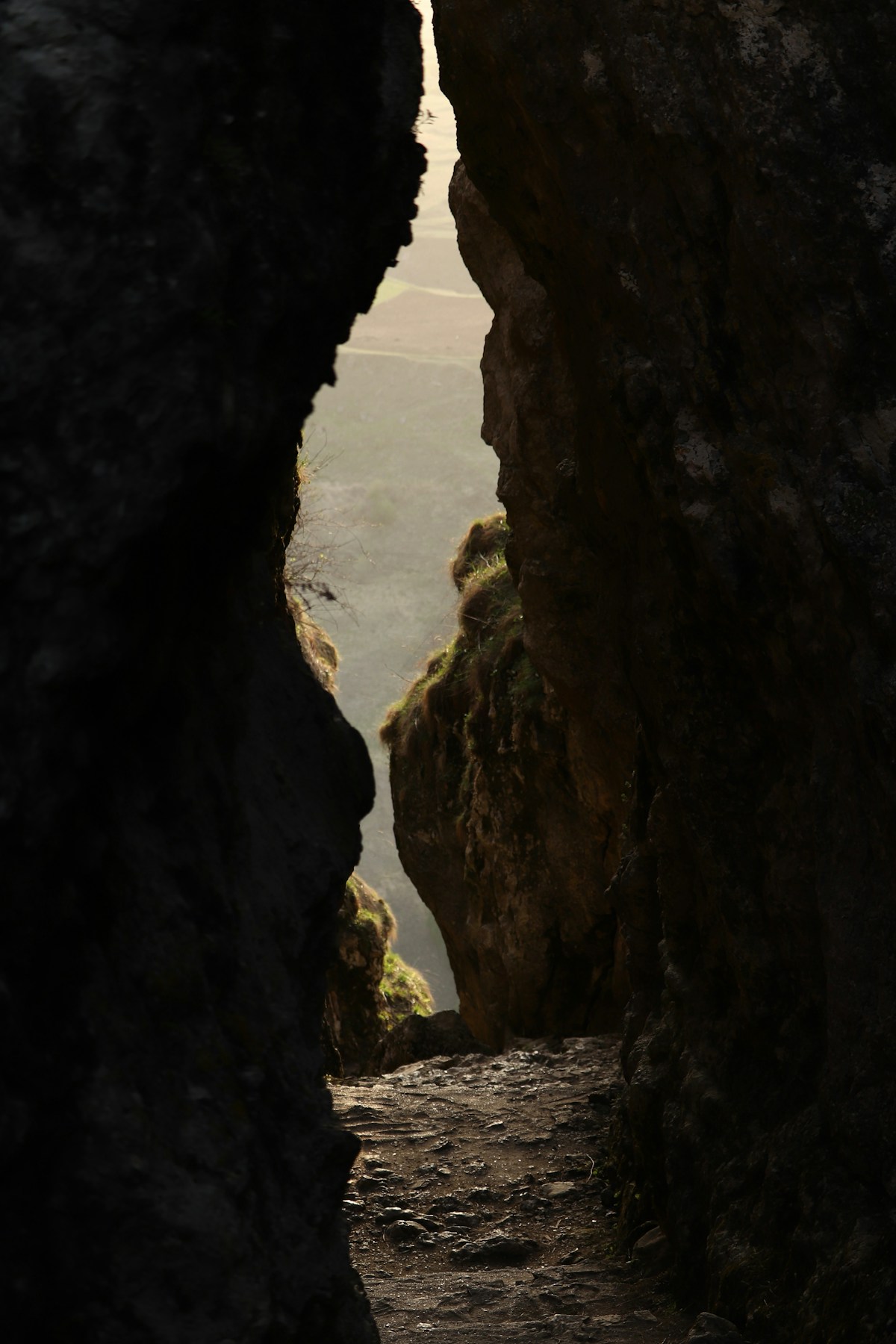
Edirne is on the flat Thracian plain - the terrain is not mountain hiking country. The landscape is rivers, floodplain, agricultural land, and the occasional low forested hill. Hiking near Edirne is walking rather than trekking: riverside circuits, village approaches, and the surprisingly pleasant experience of wandering the open Thracian landscape with its specific sky and horizon quality.
For serious mountain hiking, the Rhodope range (accessible from Bulgarian Kardzhali or Greek Xanthi) is 100–150km away; the Strandzha Mountains (Turkish Istranca Dağları) are on the Black Sea coast 150km east.
Tunca River circuits
The Tunca River meanders through Edirne in wide loops - the Sarayiçi island and the surrounding riverside meadows offer the most accessible walking from the city centre.
Sarayiçi circuit: The island in the Tunca where the Ottoman palace ruins and Kırkpınar wrestling field are located is surrounded by walking paths along the riverbanks. The circuit around the island - crossing the old Ottoman bridge, following the riverbank through the meadows, returning via the opposite bank - is approximately 5–7km and takes 1.5–2.5 hours.
Character: Flat; wide river meadows with willows and poplars; good bird watching (the Meriç and Tunca wetlands are significant for migratory and resident birds); the Ottoman ruins in the background. Best in spring (April–May) when the floodplain wildflowers are in bloom.
Difficulty: Easy - flat, good surface, no navigation required.
Meriç (Maritsa) River floodplain
The Meriç River forms the Greek border west of Edirne - the floodplain on the Turkish side has extensive wetlands and agricultural land that can be walked along farm tracks and river access paths.
Practical note: This is border territory - stay on the Turkish side of the river. The border is marked and there is no ambiguity; Greek territory begins at the river channel. Do not attempt to cross.
Walking access: Farm tracks from the Karaağaç neighbourhood (1.5km south of the city centre) lead into the floodplain. Spring birdwatching (herons, egrets, storks, waders) is excellent in the wetland sections.
Distance/time: Variable; 5–15km walks in the floodplain depending on route. 2–5 hours.
Karaağaç village
Distance: 1.5km south of the city centre (walkable or 5-minute taxi).
Karaağaç is a neighbourhood that was part of Greece under the 1923 Lausanne Treaty population exchange but was transferred to Turkey in lieu of war reparations following the Greek-Turkish war - an unusual cartographic resolution. The neighbourhood retains its early 20th-century Greek-period architecture in several buildings, including the former railway station (now Trakya University’s Faculty of Architecture).
Walking approach: Walk south from the city centre along the riverside - 1.5km through parks and riverside paths to Karaağaç. The neighbourhood is pleasant to walk through; the former station building is architecturally interesting.
Total circuit: Combine with the Meriç floodplain walks for a 3–5 hour day.
İpsala and Meriç wetlands (day trip)
Distance: 70km southwest on the D550 road.
The Meriç delta and the İpsala wetlands near the Aegean are significant for birdwatching - the delta has been designated a Ramsar wetland (internationally important wetland). During migration seasons (April–May, September–October), tens of thousands of birds pass through.
Access: Car recommended. Bus from Edirne to İpsala (1 hour), then taxi or hire a guide for wetland access.
Best for: Serious birdwatching; nature photography.
Istranca (Strandzha) Mountains (extended day trip/overnight)
Distance: 130–170km east toward the Black Sea.
The Istranca Dağları (Strandzha Mountains) on the Bulgarian border / Black Sea coast are the nearest mountain terrain to Edirne - forested, with walking trails through oak and beech forest. Too far for a standard day trip from Edirne but reachable as an overnight excursion via Kırklareli or Vize.
Character: Genuinely different terrain from the Thracian plain - forested ridges, streams, villages with distinctive Trakya architecture, good birdwatching.
Access: Car from Edirne to Kırklareli (60km), then into the Istranca forest areas.
Day hike summary from Edirne
| Route | Distance | Duration | Difficulty | Notes |
|---|---|---|---|---|
| Sarayiçi circuit | 5–7km | 1.5–2.5 hrs | Easy | Riverside; Ottoman ruins |
| Karaağaç and Meriç floodplain | 8–15km | 3–5 hrs | Easy | Border area; birdwatching |
| Meriç delta (İpsala) | - | Full day | Easy | Car required; 70km |
| Istranca Mountains | - | Full day/overnight | Moderate | 130km; car essential |
Practical notes
Best season: April–May for riverside wildflowers and birdwatching; September–October for clearer weather and autumn colour. Summer (July–August) on the Thracian plain is hot (35–40°C) and dry - morning-only walking recommended.
Border awareness: Edirne’s western floodplain is the Turkish-Greek border. Walking in this area is normal and unrestricted on the Turkish side - farm roads, river access tracks. Be aware of the border proximity; don’t approach or attempt to cross the river.
Birdwatching: The Meriç and Tunca wetlands are excellent for birds year-round - the Thracian wetlands have over 300 recorded species including white storks (summer breeders), great white pelicans (migratory), purple herons, and significant raptor diversity. Bring binoculars.
Search hotels in Edirne on Booking.com
Planning your hike: Browse tours and activities in Edirne for guided hiking experiences around Edirne - a local guide adds context to the trails and ensures you don’t miss the best routes. Travel insurance covering outdoor activities is worth checking before you head out.