Food to Try in Çeşme 2026: Aegean Dishes, Street Food and Local Flavours
Book an experience
Top-rated experiences in Çeşme Guide
The highest-rated tours and activities in Çeşme Guide. Book today, cancel free if plans change.
Çeşme’s food identity is built on the Aegean — meaning olive oil, fresh vegetables, wild herbs, seafood and slow cooking that lets ingredients speak. It sits within the broader İzmir food culture, which is its own distinct regional tradition within Turkey: lighter, more Mediterranean in spirit and far less focused on grilled meat than the Anatolian interior.
Boyoz: The Breakfast Pastry
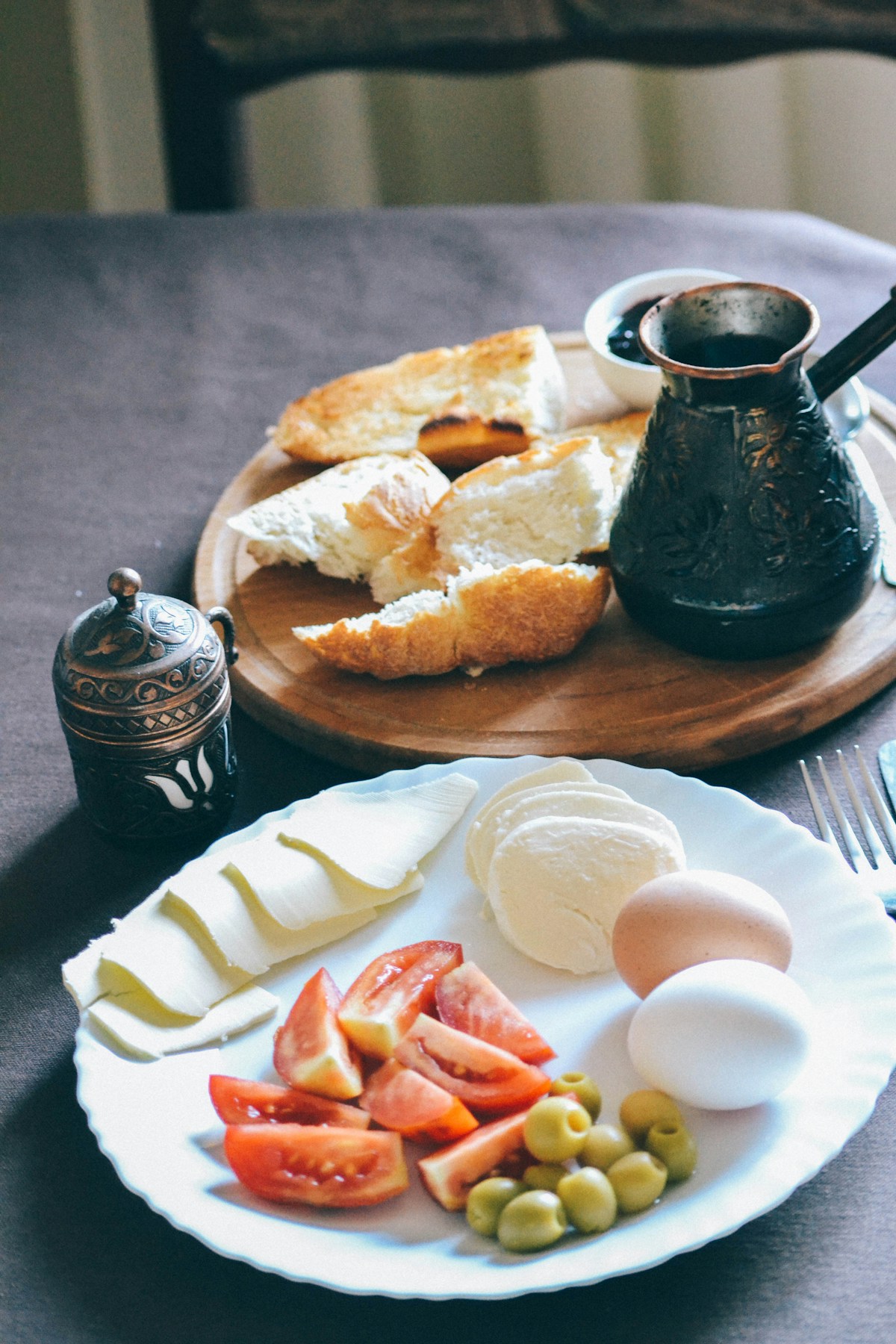
Boyoz is the Çeşme and İzmir morning ritual. This flat, coiled pastry — made only from flour, sesame oil and a little salt, with no egg or dairy — is baked through the night in slow ovens so the exterior crisps into dozens of thin, flaky layers while the interior stays soft. It is pulled apart with the fingers (never cut with a knife), eaten with a hard-boiled egg and washed down with black tea.
The tradition traces back to the Sephardic Jewish community of İzmir, who brought the recipe from Spain following the 1492 expulsion. Today’s boyoz makers are overwhelmingly Muslim Turks who inherited and preserved the technique. A single boyoz costs approximately ₺25–45 as of 2026 at a fırın (bakery); the best ones come straight from the oven between 7 and 10 am. In Çeşme, several bakeries near the market square do them well.
Kumru: Çeşme’s Street Food Identity
Kumru is Çeşme’s contribution to Turkish street food. The bread — a fat sesame roll with a soft interior and slight crunch from the sesame crust — is the starting point. It is filled with sucuk (Turkish beef sausage, lightly spiced with cumin and red pepper), kaşar (a mild yellow cheese that melts under the grill), tomato slices and optionally roasted green pepper or pickles, then grilled until the cheese melts through the roll.
Kumrucular (kumru shops) cluster around the harbour and the main market street. The classic ordering format is to choose your fillings at a counter — you can add or remove elements — and eat it on the spot. A single kumru costs approximately ₺80–120 as of 2026. It is not considered a lunch dish; Çeşme residents eat it any time between 11 am and 4 pm.
Alaçatı Artichokes
The artichoke grown around Alaçatı is a regional delicacy treated with unusual reverence. It is smaller than artichoke varieties grown elsewhere in Turkey, with a more tender choke and more intensely sweet-bitter flavour. It is in season from March through May and forms the centrepiece of spring menus across Alaçatı restaurants.
Preparation styles: braised with olive oil, lemon juice and dill (the simplest and most common); filled with a herbed rice pilaf; raw in thin slices with lemon and capers; in a cold meze with fava beans and spring onions. In May at the height of season, a restaurant meze spread might include three or four different artichoke preparations across one meal.
Fresh Fish and Seafood Mezes
The Aegean fish tradition in Çeşme runs through the harbour restaurants of the town and into the more refined kitchens of Alaçatı. The standard progression at a fish restaurant is: cold meze (salads, braised vegetables, tarama, humus), warm meze (börek, mussel dolma, fried calamari), then the main fish grilled over charcoal.
Midye dolma (stuffed mussels) are sold by street vendors along the harbour promenade — one vendor carries the tray, tips each mussel over a squeeze of lemon and hands them over one by one. Approximately ₺15–20 per mussel as of 2026. The rice inside is seasoned with allspice, currants and pine nuts in the İzmir tradition.
Ahtapot (octopus) is typically grilled, then dressed with olive oil, lemon and dried thyme. In the better Alaçatı restaurants, it arrives slow-cooked and finished on the grill for charring.
Aegean Meze Culture
The cold meze spread that begins every proper Aegean meal is substantially different from the mezes of Istanbul or Ankara. In Çeşme and İzmir:
- Zeytinyağlı ot mezeleri: Wild greens (purslane, dandelion, lamb’s lettuce, wild fennel) braised in olive oil until tender, served cold or at room temperature with a squeeze of lemon.
- Cacık: Yoghurt with finely grated cucumber, dried mint and garlic — poured thin enough to almost be a soup in the İzmir tradition, unlike the thick version common elsewhere.
- Fava: Broad beans pureed with olive oil and garnished with dill, lemon and capers.
- Humus: Less common here than in Istanbul, but present; typically made with more lemon.
Rakı and the Fish Table
No food experience in Çeşme is complete without rakı on a fish restaurant terrace. The ritual is specific: fill the long-stemmed glass one-third with rakı, add ice, then add an equal measure of cold water, which turns the spirit a milky white (the drink is sometimes called aslan sütü — lion’s milk). First sip is taken before the mezes arrive; the glass is refilled as the evening progresses.
Rakı and cold meze are inseparable in the İzmir tradition. The bittersweet anise of the spirit cleanses between dishes in a way wine cannot duplicate.
What a Proper Çeşme Meal Costs
A casual kumru lunch: ₺80–120 per person. Harbour fish restaurant dinner (midye, meze, one fish, beer/wine): ₺400–700 per person. Full Alaçatı restaurant dinner with wine: ₺600–1,200 per person. Boutique Alaçatı restaurant with wine pairing: ₺1,000–1,800 per person.
All prices as of 2026.
Make the most of the food scene: Book a food tour of Çeşme to sample the standout local spots with a guide who knows where residents actually eat. An eSIM for Turkey keeps you connected for navigating neighbourhoods and checking restaurant hours on the go.
See also: Çeşme travel guide · Best restaurants in Çeşme · Çeşme food guide · Turkish food guide · Vegan food in Çeşme
Frequently Asked Questions
- What is boyoz?
- Boyoz (pronounced BOY-oz) is a flaky, unleavened pastry made with sesame oil and flour, baked slowly overnight so the outside crisps while the inside stays tender. It is the breakfast pastry of İzmir and the Çeşme region. It originated in the Sephardic Jewish community of İzmir and is now eaten across the region, traditionally with a hard-boiled egg and a glass of tea.
- What is kumru in Çeşme?
- Kumru is a toasted sesame bread roll (resembling a fat baguette) filled with a combination of sucuk (spiced beef sausage), kaşar cheese, tomato and sometimes green pepper. It is the signature street food of Çeşme specifically — though it exists in other İzmir towns, Çeşme is considered the original. Kumru shops cluster near the harbour and market; a kumru costs approximately ₺80–120 as of 2026.
- What fish should I eat in Çeşme?
- Levrek (sea bass) and çipura (gilt-head bream) are the Aegean staples. Both are commonly available fresh, either farmed from local fish farms or wild-caught. In spring, dil balığı (sole) and tekir (red mullet) are seasonal highlights. In autumn, lakerda (cured bonito) is the thing to order.
- What is the local wine in Çeşme?
- The Urla wine region, 30 km east of Çeşme, produces some of Turkey's best whites from local grape varieties including Misket (a floral, aromatic white) and Çalkarası (an indigenous red grape from the Aegean). Several wineries are within day-trip distance. Alaçatı restaurants stock them; a glass of local Urla white costs approximately ₺150–250 as of 2026.
Ready to explore?
Browse hundreds of tours and activities. Book securely with free cancellation on most options.
Browse on GetYourGuide →We may earn a small commission — at no extra cost to you.