Afyonkarahisar (Afyon) Travel Guide: Thermal Hotels, Kaymak
Afyon travel guide: Turkey thermal hotel capital, Afyon Castle, Ulu Mosque, kaymak and lokum. 3.5 hrs from Istanbul, 2.5 hrs from Ankara.
Guides for Afyonkarahisar
Afyonkarahisar — shortened universally to Afyon — is a mid-sized Anatolian city of around 250,000 people that does one thing better than anywhere else in Turkey: thermal hotels. The city sits on a geothermal zone rich in naturally hot mineral water, and over the past two decades an industry of purpose-built thermal hotel complexes has grown up around it, drawing visitors from across Turkey and neighbouring countries who come specifically for the hot springs, indoor pools, and spa facilities. It is the reference point for thermal tourism in the country.
Beyond the thermal hotels, Afyon has a genuine historical character that rewards a longer look. The city takes its name from the volcanic black rock (kara hissar — black castle) that rises sharply from the plain and carries a Byzantine-Seljuk fortress on its summit. At its base, the 13th-century Ulu Camii is one of the finest surviving Seljuk mosques in Anatolia. And the city has two food products — kaymak and lokum — that have given it a disproportionate presence on the Turkish culinary map.
Afyon Castle (Afyonkarahisar Kalesi)
The castle is the defining landmark of Afyon and visible from across the plain. It sits on a 226-metre volcanic rock that rises almost vertically from the city centre — a natural fortification that has been occupied since at least the Hittite period and was developed by successive powers including the Byzantines, Seljuks, and Ottomans. The current fortification walls and towers are primarily Seljuk, dating from the 12th to 13th centuries.
Reaching the castle requires climbing approximately 700 steps cut into the rock face, a 30–40 minute ascent on a moderately steep path. The views from the top are panoramic — the Anatolian plateau spreads in all directions, and on clear days the surrounding mountains are visible in full. Within the walls, the ruins include a keep, cisterns, and the remains of a small mosque. Entry: free. Allow 1.5 hours for the round trip including time at the top.
Practical: The steps are lit for evening visits. Wear solid footwear — the rock is uneven in places. Not recommended for those with limited mobility.
Ulu Camii (The Great Mosque)
The Ulu Camii at the foot of the castle rock is one of the most important surviving Seljuk mosques in Anatolia, built in 1273 under the Germiyanid principality. Its most distinctive feature is the forest of 40 wooden columns supporting the roof — no two capitals are identical, carved in the ornate Seljuk style with floral and geometric interlace. The central mihrab and minbar are exceptional examples of Seljuk stone carving. Entry: free. Open daily during prayer times and between prayers; visitors should observe prayer times and dress modestly.
The surrounding neighbourhood carries further Ottoman-era architecture: the Mevlevikhane (Mevlevi lodge), now a museum with a collection of Rumi-related artefacts and whirling dervish costumes, is a five-minute walk from the mosque. Entry: approximately ₺50 (as of 2026).
Thermal hotels
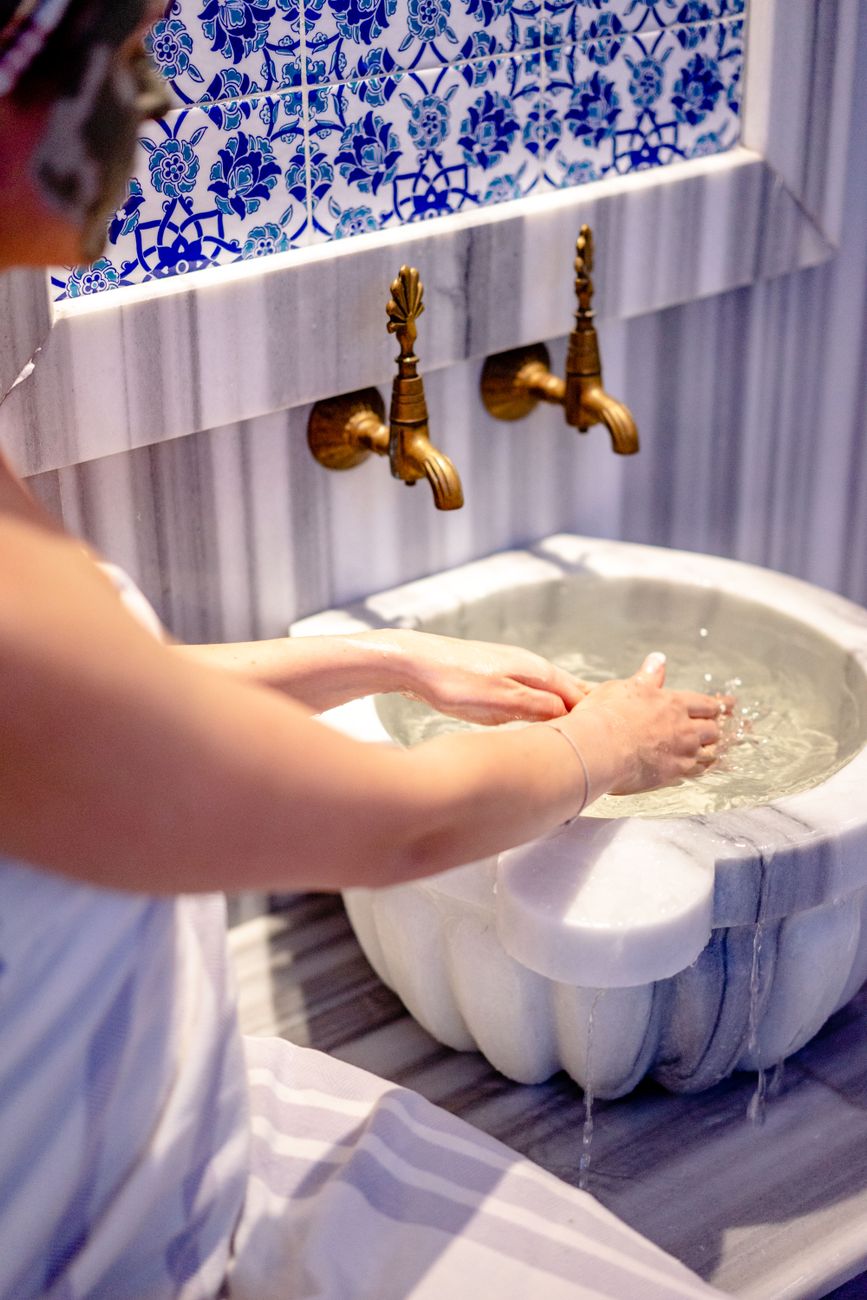
Afyon’s thermal hotel district is concentrated around the Gazligöl and Ömer thermal springs, both approximately 15–20km from the city centre. The hotels range from large all-inclusive resort complexes to smaller family-run operations, and most offer packages that include room, meals, and unlimited access to thermal pools. Weekend rates are substantially higher than midweek — domestic Turkish demand peaks on Friday and Saturday nights. For day excursions combining the thermal springs with the city’s Seljuk monuments and the Afyon Museum, browse tours across Turkey on GetYourGuide to find guided cultural experiences departing from the region.
Büyük Kervansaray Termal Hotel (Gazligöl) — One of the larger and more established complexes in the area, with extensive indoor thermal pools at 37–42°C, a hammam, and a range of treatment rooms. Room rates: approximately ₺2,500–4,500/night double including breakfast and thermal access, as of 2026.
Ikbal Thermal Hotel & Spa (Ömer) — A well-regarded mid-to-upscale option with multiple pool levels, a hammam, and a medical spa offering physiotherapy and hydrotherapy packages. Popular with visitors combining wellness treatment with leisure. Rates: approximately ₺3,000–6,000/night double including board and thermal access, as of 2026.
Afyon Karahisar Thermal Resort (Ömer) — A larger resort complex oriented toward families and groups, with several pools at different temperatures, an outdoor pool for summer use, and extensive spa facilities. Midweek packages: from approximately ₺2,000/night per room including thermal access and breakfast, as of 2026.
Grand Oztanik Thermal Hotel (Ömer) — A slightly more compact option with a focus on therapeutic treatments, popular with visitors seeking medical-grade hydrotherapy. Rates: approximately ₺2,200–4,000/night, as of 2026.
Booking note: The thermal hotel district is extremely popular with Turkish domestic tourists. Weekend stays (especially Friday night) book up weeks or months in advance during autumn and winter. Midweek stays are easier to book and notably cheaper.
Food: kaymak, lokum, and sucuk
Afyon has three food products that are nationally known. The first is kaymak — a thick, rich clotted cream made from the milk of water buffaloes grazed on the plateau around the city. Afyon kaymak is considered the finest in Turkey: denser and more flavourful than the watery imitations sold elsewhere. It is eaten as part of the morning Turkish breakfast, spread on warm bread or drizzled with local honey, and served as a topping over helva or desserts. Every kaymakçı (kaymak shop) in the city opens early, and the morning ritual of buying kaymak and bread is central to the local food culture.
Afyon Pide ve Kaymak Evi (near the bazaar district) — a reliable option for the traditional Afyon breakfast: warm bread, fresh kaymak, honey, local white cheese, and olives. Breakfast with tea: approximately ₺150–200/person, as of 2026.
Tarihi Afyon Pide Salonu (city centre) — known for Afyon pide (flatbread) paired with kaymak and soup. Good for a quick, inexpensive lunch. ₺80–130 per person.
The second product is lokum (Turkish delight). Afyon produces some of the most highly regarded lokum in the country — denser than Istanbul-style, often flavoured with rosewater, pistachio, or walnut, and sold in the numerous confectionery shops along the main bazaar street. A 500g box typically costs ₺120–250 depending on the filling, as of 2026. The shop fronts make good browsing and samples are freely offered.
The third is sucuk — a cured beef sausage heavily spiced with cumin, garlic, and black pepper. Afyon sucuk is sold across Turkey but the local producers use a distinctive spice balance and curing method. Vacuum-packed sucuk makes a practical souvenir. Sold in every butcher and most grocery stores; approximately ₺80–150 per 200g, as of 2026.
Afyonkarahisar Archaeological Museum
Located in the city centre, the archaeological museum holds artefacts from sites across the wider Afyonkarahisar province, including Phrygian, Lydian, Hellenistic, and Roman material. Among the most significant pieces are Phrygian reliefs, Roman votive sculptures, and Byzantine objects excavated from local sites. Entry: approximately ₺100 (as of 2026). Open Tuesday–Sunday, 08:30–17:00.
Daily costs
| Category | Budget | Mid-range |
|---|---|---|
| Accommodation | ₺1,500–2,500 | ₺2,500–5,000+ |
| Food | ₺200–350 | ₺350–650 |
| Activities | ₺50–150 | ₺150–400 |
| Transport | ₺30–100 | ₺100–300 |
| Total/day | ₺1,780–3,100 | ₺3,100–6,350+ |
Note: daily costs are higher than typical Turkish cities because thermal hotel rates are substantially above standard accommodation rates. Budget options in the city centre are available from ₺600–1,200/night but without thermal access.
Getting there
By car: Afyonkarahisar is on the O-30/E-96 motorway connecting Istanbul to Ankara via Eskişehir. From Istanbul: approximately 330km, 3.5–4 hours. From Ankara: approximately 250km, 2.5–3 hours. From Izmir: approximately 290km, 3 hours.
By bus: Intercity coaches (Metro Turizm, Kamil Koç, Pamukkale) run direct services from Istanbul (Esenler otogar), Ankara (AŞTİ), Izmir, and Antalya. Journey times: Istanbul 4.5–5 hours, Ankara 3.5 hours. Tickets: approximately ₺200–400 depending on company and route, as of 2026. Afyon bus terminal (otogar) is a short taxi ride from the city centre.
By train: Direct rail services are limited. The more practical approach is to take the high-speed YHT to Eskişehir (90km north) and connect by bus from there. Istanbul to Eskişehir by YHT: approximately 1.5 hours. Eskişehir to Afyon by bus: approximately 1.5 hours.
Airport: The nearest major airports are Eskişehir (ESK, limited scheduled services), Kütahya (KZR, limited), and Afyonkarahisar (AFY, limited domestic services). Most visitors drive or take the bus.
When to visit
Thermal hotels: all year. The peak seasons are autumn (September–November) and winter (December–February) when the contrast between outdoor cold and indoor hot pools is greatest. Turkish holiday weekends (Eid, public holidays) book out entirely.
Sightseeing: April–June and September–October for comfortable temperatures. July–August is hot on the plain (30–36°C) but the castle is best visited in the early morning before the heat peaks.
Kaymak: all year, though producers say winter milk from buffaloes raised on stored feed produces a slightly richer product.
Connections
Afyon is a practical base for extending into several neighbouring regions. Eskişehir is 90km north — a university city with a restored Ottoman quarter (Odunpazarı) and good meyhane culture, worth a half-day; see our Eskişehir guide for detail. Konya is approximately 220km east — the Seljuk capital, with the Mevlana Museum and some of the finest Seljuk architecture in Anatolia; see our Konya guide. Pamukkale is approximately 130km southwest — the white travertine terraces and Hierapolis are a reasonable day trip from Afyon by car; see our Pamukkale guide.
Getting around the thermal hotel district: Most thermal hotels run a shuttle service from the city centre or bus terminal. Car hire gives the most flexibility if you want to combine sightseeing in the city with thermal access at the Ömer or Gazligöl springs.
Search hotels in Afyonkarahisar on Booking.com
Getting there: Flights to Turkey connect into Istanbul or Ankara with most European carriers. For onward travel, pre-book an intercity bus from Istanbul or Ankara to Afyon directly. An eSIM for Turkey keeps you connected from the moment you land.
Book an experience
Top experiences in Afyonkarahisar
Explore the best tours and activities in Afyonkarahisar, with instant confirmation and free cancellation on most bookings.
Find hotels in Afyonkarahisar
Explore accommodation in Afyonkarahisar →We earn a small commission at no cost to you.