Turkiye received 24.8 million international visitors in the first half of 2026, a 9.4% increase compared to the same period in 2025, according to figures released by the Ministry of Culture and Tourism on July 28, 2026. The result puts the country firmly on course for its best-ever annual performance.
Who Is Visiting Turkiye
Russia remains the largest single source market, with approximately 4.9 million arrivals in H1 — a figure that reflects Turkiye’s role as the primary international travel destination accessible to Russian passport holders under current geopolitical conditions.
Germany is the second-largest market, with around 2.3 million visitors. German arrivals to both Istanbul and the Aegean and Mediterranean coastal resorts have grown steadily, with the Antalya region in particular seeing increased direct charter capacity from German airports.
United Kingdom arrivals reached approximately 1.8 million in H1. British tourists show a strong preference for the Turkish Riviera — particularly Antalya, Alanya, and Bodrum — with a growing secondary interest in Istanbul as a short-break destination.
Istanbul and the Coast: Two Different Stories
The visitor data reflects two distinct patterns within Turkiye’s tourism economy:
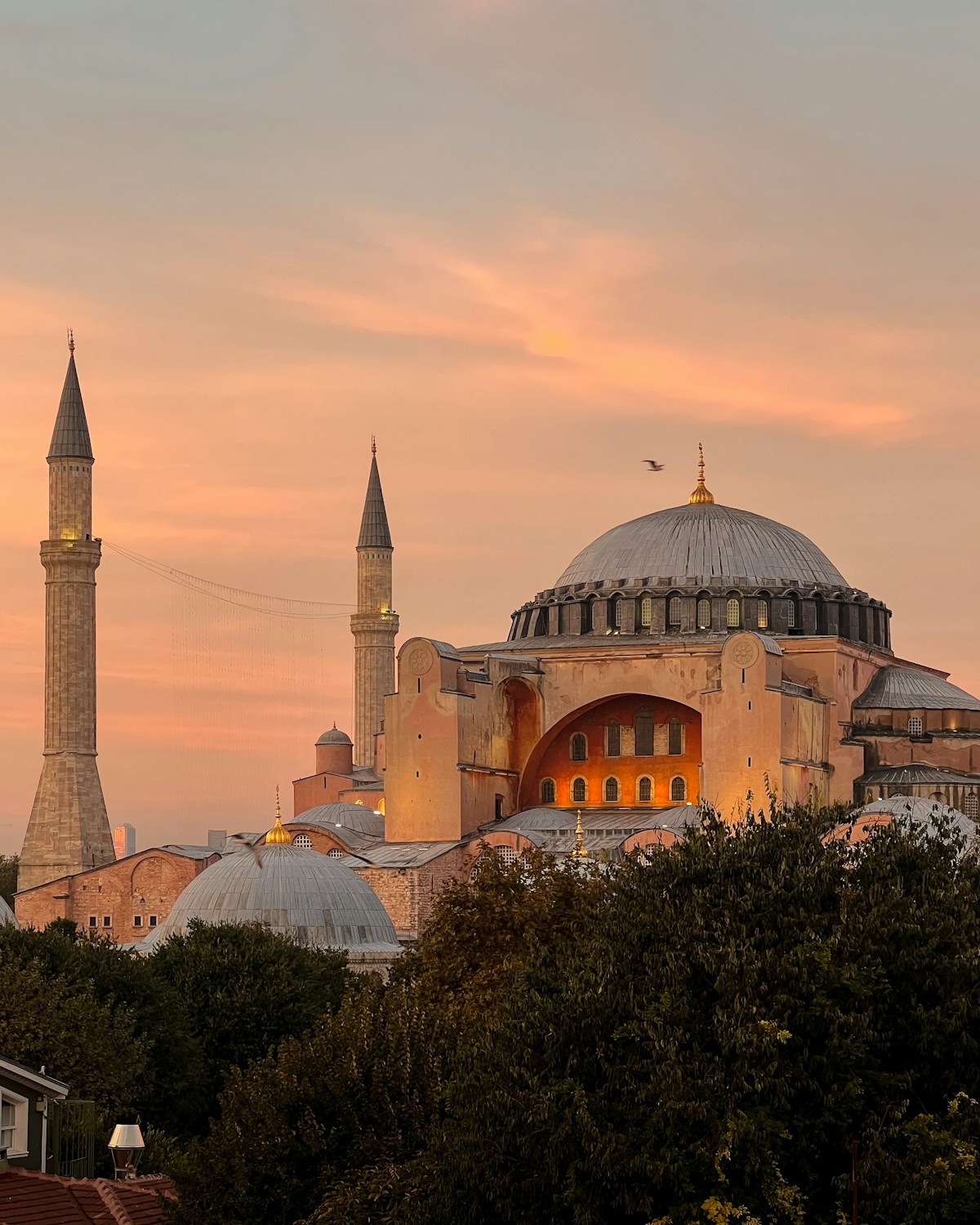
Istanbul is performing strongly on cultural and city-break tourism, drawing visitors from across Europe, the Middle East, and increasingly East Asia. The city’s density of Ottoman and Byzantine heritage — Hagia Sophia, Topkapi Palace, the Grand Bazaar, and the Bosphorus — continues to anchor Istanbul’s appeal against competing European city-break destinations.
The Aegean and Mediterranean coast is driving the volume numbers. Antalya airport alone handled approximately 9 million passengers in H1, a pace that outstrips most European regional airports. The all-inclusive resort model that dominates the Turkish Riviera continues to attract price-conscious European families, with capacity additions from Polish, Czech, and Scandinavian carriers deepening the market.
What to Expect if You Visit This Summer
Book accommodation early. Popular resorts and central Istanbul hotels are running at high occupancy through August. Last-minute bookings, while available, carry a significant price premium.
Istanbul in August is manageable but busy. The city’s cultural sites — particularly the Hagia Sophia mosque and the Topkapi Palace complex — operate a timed entry system that reduces congestion, but queuing time outside peak slots is still considerable.
The Aegean coast has more space than you might expect. Despite the headline arrival numbers, Turkiye’s Aegean coastline — Ephesus, Bodrum, and the Datça Peninsula — remains far less crowded than equivalent Mediterranean coastal zones in Spain, Italy, or Greece. The scale of the country’s coastline absorbs visitor numbers that would overwhelm a smaller destination.
Forecast for Full-Year 2026
The Ministry’s target for 2026 is 60 million visitors and €60 billion in tourism revenue. With 24.8 million in H1 and the peak summer months (July–August) still to be fully counted, the visitor target looks achievable. Revenue targets depend on average spend, which has been rising as the Ministry focuses on higher-spending markets including the Gulf, the United States, and Japan.