The US State Department rates Türkiye at Level 2 (Exercise Increased Caution) as of May 2026. The UK Foreign Office (FCDO) issues similar guidance. Both advisories reflect terrorism concerns and regional tensions tied to the Middle East conflict - but they apply unevenly across the country. The main tourist destinations - Istanbul, Cappadocia, Antalya, Bodrum, and the full Aegean and Mediterranean coasts - are not subject to elevated restrictions and are operating normally.
What the Level 2 rating actually means
A Level 2 advisory does not mean “do not travel”. It is the second-lowest rating in the US State Department’s four-tier system and is applied to dozens of countries across Europe, Asia, and the Americas simultaneously. France, Germany, and the UK all carry Level 2 ratings. The designation means travellers should be aware of risks and take normal precautions - not that they should cancel plans.
The UK FCDO mirrors this: it advises a “high degree of caution” nationwide, with specific no-go zones near the Syrian and Iraqi borders. Mainstream tourist regions carry no travel ban.
Which regions are safe for tourists in 2026
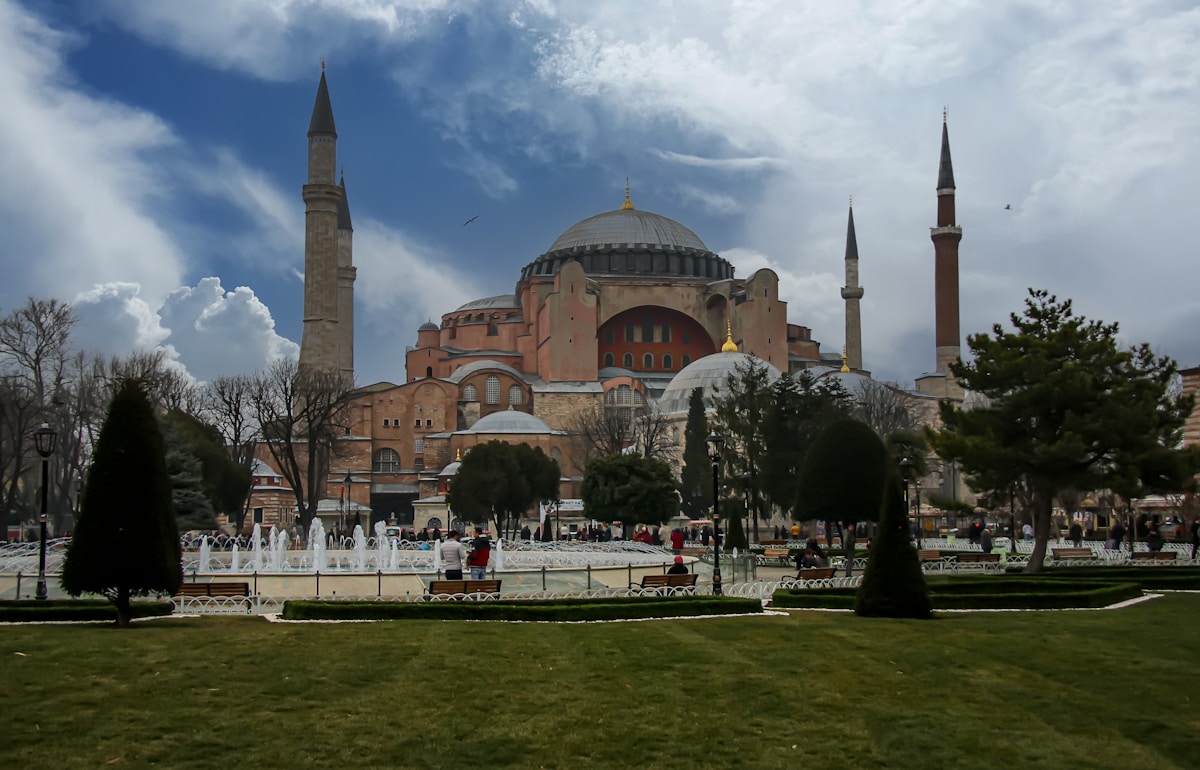
Istanbul - Fully open. The Sultanahmet district (Hagia Sophia, Blue Mosque, Topkapi Palace), Taksim, the Bosphorus waterfront, and Kadiköy are all operating normally. The Grand Bazaar and Spice Bazaar are open daily. No curfews, no access restrictions.
Cappadocia - Balloon flights, cave hotels, underground cities, and the Göreme Open-Air Museum are all running as usual. Ürgüp, Göreme, and Avanos have no advisory-related disruptions.
Aegean and Mediterranean coasts - Bodrum, Fethiye, Marmaris, Kaş, Antalya, Alanya, and İzmir are all fully operational. Beach resorts are open and airport transfers are unaffected. The Turquoise Coast remains one of Turkey’s busiest tourist corridors.
Ankara - The capital is functioning normally for visitors. The Museum of Anatolian Civilisations and Atatürk Mausoleum (Anıtkabir) are open.
Pamukkale and Ephesus - Both sites continue to welcome visitors without restriction.
Areas to avoid
The US State Department advises against all travel within 10 km (6 miles) of Turkey’s borders with Syria and Iraq. Southeast Türkiye - including Şırnak and Hakkari provinces - carries a Do Not Travel (Level 4) designation due to ongoing armed conflict risk. The US Consulate in Adana was evacuated in March 2026 and remains closed to public services.
The UK FCDO specifically applies an “all but essential travel” designation to Şırnak and Hakkari provinces. These restricted zones are geographically remote from every popular tourism destination. Istanbul is approximately 1,600 km from the Syrian border. Antalya is over 1,000 km away. Cappadocia is roughly 700 km distant. No mainstream tour itinerary passes through these regions.
What changed in the May 2026 FCDO update
The FCDO refreshed its Turkey travel advice on 8 May 2026. The changes were clarifications rather than new restrictions:
- The Syria border no-travel zone was reconfirmed but not expanded
- Updated terrorism guidance noted elevated vigilance requirements in crowded public spaces
- New guidance for families: single parents or guardians whose child carries a different surname should carry a notarised consent letter - Turkish border officers may request it
- Accommodation guidance was updated to reflect current hotel security standards in Istanbul
No new risk zones were opened. The update keeps existing advice current for summer 2026 travel.
Practical safety guidance for your trip
- Protests and demonstrations - Avoid areas near public demonstrations. These can disrupt transport in urban areas, particularly in central Istanbul, but rarely affect tourist districts directly.
- Anti-Western sentiment - The State Department notes heightened anti-US and anti-Western sentiment in some areas. Keeping a low profile and avoiding locations publicly associated with US or Israeli interests is advisable.
- Pickpocketing - In busy areas of Istanbul including Sultanahmet, İstiklal Avenue, and the Grand Bazaar, pickpocketing is a documented risk. Keep bags secured and stay alert in crowds.
- ID requirement - Turkish law requires all foreign visitors to carry photographic ID at all times. Your passport or a certified copy should be on your person throughout your stay.
- Travel insurance - Standard policies remain valid for Istanbul, Cappadocia, and the Aegean coast. Check policy exclusions carefully for southeast Türkiye. Coverage for cancellation, medical treatment, and emergency evacuation is strongly recommended for all trips given the current regional situation. Travel insurance for Türkiye is available before departure.
Entry requirements
Most nationalities can enter Türkiye with an e-visa, obtainable before departure at evisa.gov.tr. The e-visa currently costs USD 50 (as of 2026) and is processed online within minutes for most eligible nationalities. Our Turkey visa guide covers eligibility by country, costs, and the full application process.
Citizens of some countries - including several EU member states - can enter visa-free with a valid national ID card or passport. Check the official evisa.gov.tr portal for the current list before travelling.
Our assessment
Turkey remains a viable and popular destination for 2026. The Level 2 advisory has been in place for several years and reflects long-standing regional conditions rather than a new deterioration in safety. Millions of tourists visit Istanbul, Cappadocia, and the coasts each year without incident. The border restrictions in the southeast are firm and well-defined - they do not affect any standard tourist itinerary.
For a full destination-by-destination picture of conditions on the ground, our Is Turkey safe? guide covers every major city and region with practical detail. Check your own government’s travel advice - US, UK, Australian, Canadian - before booking, and revisit it in the two weeks before departure.