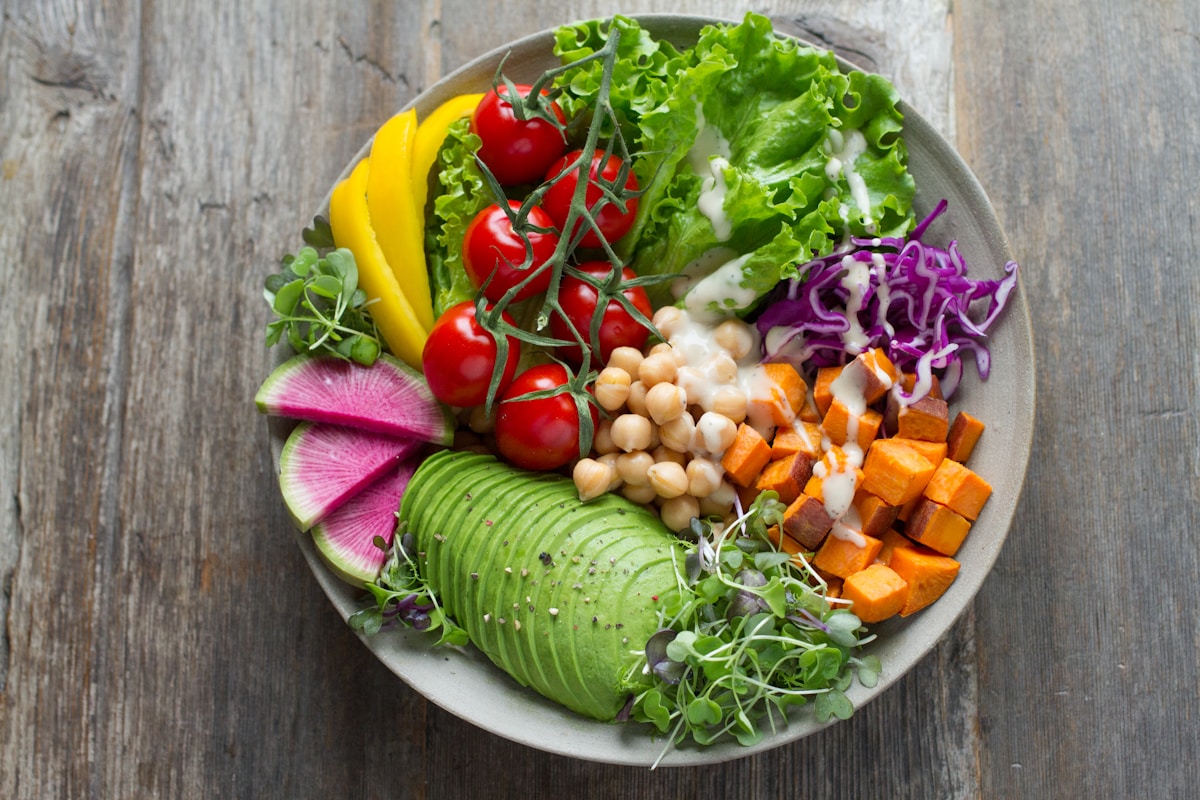
Rize is a challenging vegan destination - the food culture is built around hamsi (anchovy), mıhlama (butter and cheese), and dairy-heavy mountain food. The olive oil vegetable tradition of the Aegean does not apply here. However, with preparation and clear communication, plant-based eating is manageable. Fresh tea, the extraordinary local hazelnuts, mountain produce, and the standard Turkish plant-based dishes (mercimek çorbası, çiğ köfte) provide a workable foundation.
The good news: tea is vegan
All tea is vegan. Rize çayı - the tea that defines this province - is served without milk (adding milk to Turkish tea would be culturally unusual). We recommend drinking it constantly while in Rize. A glass costs ₺10–25 depending on the establishment, and the quality of tea here is the best in Türkiye because the leaves travel the shortest possible distance from plantation to pot.
The tea gardens (çay bahçesi) on the hillsides above the city are fully vegan-friendly spaces. Order tea and perhaps a simit (sesame bread ring, approximately ₺15–20, typically vegan) and enjoy the plantation views.
Available plant-based options in Rize
Hazelnuts: The eastern Black Sea coast is one of the world’s major hazelnut-producing regions, and Rize’s hazelnuts are exceptional. Fresh hazelnuts are available August–September (approximately ₺40–80/kg); dried are available year-round (approximately ₺80–150/kg as of 2026). Buy from the Rize market or roadside stalls along the coast road. These are one of the best vegan foods in the region - high calorie, genuinely local, and portable for hiking days.
Market produce: The Rize market (central, daily except Sunday) sells fresh vegetables, especially good in summer. Tomatoes, peppers, cucumbers, aubergines, and leafy greens are available at low prices. Self-catering from the market is the most reliable vegan approach for multi-day stays.
Mercimek çorbası (red lentil soup): Available at nearly every lokanta in the city. The standard recipe is vegan (red lentils, onion, tomato paste, spices, lemon), but some establishments finish with a spoonful of butter. Ask “tereyağsız yapabilir misiniz?” (can you make it without butter?). Approximately ₺50–80 per bowl as of 2026.
Çiğ köfte rolls: Raw bulgur wheat with spices, served in a wrap with pomegranate molasses and lettuce. The commercial version (Çiğköftem chain and similar) is always vegan - no meat despite the name. Available in Rize centre for approximately ₺40–70.
Simit: The ubiquitous sesame bread ring, available from street vendors and bakeries. Typically vegan (flour, water, sesame, molasses). ₺15–20 as of 2026. A reliable breakfast option.
Zeytinyağlı dishes: Olive oil-cooked vegetable dishes are less common in the Black Sea than on the Aegean coast, but city lokantas usually have 1–2 options in the bain-marie display. Confirm “etsiz” (without meat) when ordering - some versions include ground meat.
Fresh bread: Black Sea cornbread (mısır ekmeği) is made from cornmeal and may or may not include butter depending on the baker. Ask “tereyağlı mı?” (does it have butter?). Regular wheat bread from bakeries is typically vegan.
What to watch for (not vegan)
Mıhlama/kuymak: The defining dish of the Black Sea - made entirely from butter, cheese, and cornmeal. Not vegan in any version. This will be offered repeatedly and enthusiastically.
Black Sea breakfast spread: Almost entirely dairy and eggs - kolot cheese, butter, mountain honey, eggs cooked in butter. Request vegetables, olives, bread, and jam separately. Explain your requirements clearly, as the concept of skipping the cheese and eggs at a Black Sea breakfast is culturally unusual.
Pilav (rice): Often cooked with butter in the Black Sea region - ask “sade pilav” (plain rice) or “yağsız” (without fat). Not always available without butter.
Hamsi (anchovy) dishes: Fish, obviously not vegan, but worth noting because hamsi is so central to Rize’s food identity (October–February) that it appears in unexpected places - hamsi bread, hamsi börek, even hamsi dessert at some establishments.
Mountain honey (deli bal): The famous “mad honey” of the Black Sea - technically not vegan. Exceptional quality in Rize province and sold at roadside stalls throughout the Fırtına Valley area. Approximately ₺200–500 per jar depending on type and claimed purity.
Self-catering strategy
For stays of more than 2–3 days, self-catering is the most practical vegan strategy in Rize. The approach:
- Buy from the Rize market: Fresh vegetables, bread, hazelnuts, dried fruits. Budget approximately ₺60–120 per day.
- Supplement with lokanta dishes: Lentil soup, çiğ köfte, any zeytinyağlı vegetables available.
- Carry snacks for mountain days: Hazelnuts, dried fruit, simit, and çiğ köfte wraps travel well for Fırtına Valley or Ayder excursions where options are extremely limited.
Ayder and valley areas: Food options in Ayder are limited to guesthouse kitchens and a few small restaurants, all serving the traditional dairy-and-fish Black Sea menu. If staying in a guesthouse, communicate your dietary requirements when booking - most guesthouse owners will accommodate requests if given advance notice, preparing vegetable dishes and bread rather than the standard menu.
Key vocabulary
| Turkish | Meaning |
|---|---|
| Veganım | I am vegan |
| Et yok, süt yok, yumurta yok | No meat, no dairy, no eggs |
| Et, balık ve süt ürünleri yemiyorum | I don’t eat meat, fish, or dairy |
| Tereyağsız | Without butter |
| Etsiz | Without meat |
| Sade | Plain |
| Yağsız | Without oil/fat |
Price summary
| Food | Cost (as of 2026) |
|---|---|
| Market self-assembled meal | ₺60–120 |
| Lentil soup (lokanta) | ₺50–80 |
| Çiğ köfte wrap | ₺40–70 |
| Simit | ₺15–20 |
| Hazelnuts (per kg) | ₺40–150 |
| Tea (per glass) | ₺10–25 |
Honest assessment
Rize is not a comfortable vegan destination. The food culture is fundamentally built on dairy, fish, and animal fats, and the tourist infrastructure is too small to have generated dedicated vegan options. A vegan traveller can eat adequately here with preparation and clear communication, but the signature food experiences of the region (mıhlama, kuymak breakfast, fresh hamsi, valley guesthouse cooking) are all non-vegan. The tea is excellent and entirely plant-based, the hazelnuts are world-class, and the landscape is the real reason to visit regardless of diet.
For the full food context, see food to try in Rize. For Black Sea food comparison, see vegan food in Trabzon.
Make the most of the food scene: Book a food tour of Rize to sample the standout local spots with a guide who knows where residents actually eat. An eSIM for Turkey keeps you connected for navigating neighbourhoods and checking restaurant hours on the go.