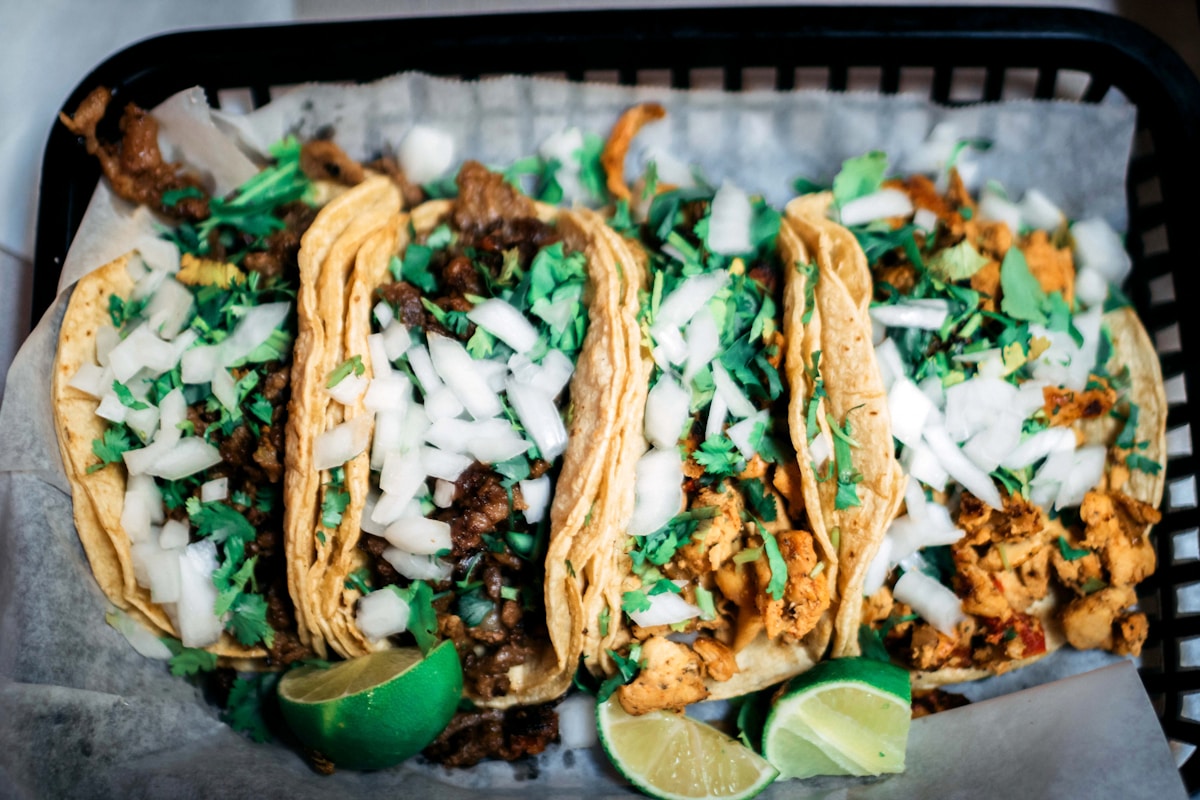
Marmaris is not primarily a food destination - it’s a beach and nightlife resort. But the underlying food tradition of the Muğla province is Aegean and genuinely good: olive oil from the same limestone hills that supplied ancient Carian cities, fresh fish from one of Turkey’s largest enclosed bays, and meze culture that treats the cold appetiser spread as the meal’s centre. Finding it requires navigating past the tourist-facing pizza and “Turkish cuisine” restaurants to the backstreet lokantas and fish houses.
For specific dishes, see food to try in Marmaris. For restaurants, see best restaurants in Marmaris.
The Muğla province food tradition
Marmaris is in Muğla province - the same province as Fethiye, Bodrum, and the Datça Peninsula. The food tradition is consistently Aegean: olive oil as the dominant fat, seafood as the prestige protein, vegetables treated with care, and meze culture as the social form of eating.
What distinguishes Muğla food: The specific local ingredients. Datça almonds (small, intensely flavoured, from the peninsula’s almond orchards). Muğla thyme honey (from beehives in the wild thyme hillsides). Local olive oil (fruity, moderately bitter, excellent for cold applications). And the Aegean’s extraordinary variety of fresh fish and shellfish.
Fish culture
The Marmaris bay - a large, enclosed, protected inlet - produces excellent shellfish (mussels, clams) and provides habitat for sea bass, bream, and smaller species. Octopus is characteristic of Aegean coastal cooking here, as at Bodrum and Fethiye.
The fish market: The morning market at the Marmaris harbour (7–11am) sells the overnight catch. This is the freshest and cheapest access to Aegean seafood in the area - buy direct and have it cooked at adjacent restaurants.
Seasonal calendar: October–February for bluefish (lüfer); March–May for red mullet (barbunya); May–September for sea bass and bream year-round.
Meze as the meal structure
The full meze experience in Marmaris - a succession of cold plates followed by warm meze and then (optionally) a fish main - is the most authentic and most enjoyable way to eat here. Order the cold meze first: deniz börülcesi, patlıcan salatası, fava, zeytinyağlı dolma. Sip rakı or local wine. The warm meze (kalamar tava, karides güveç) follows. The fish is dessert.
Duration: Allow 2–3 hours for a proper meze dinner.
Olive oil culture
The Muğla olive oil tradition is one of Turkey’s finest - and despite Marmaris’s mass-tourist character, local olive oil is available at the market and specialist food shops at excellent quality. Fresh-press extra virgin from identifiable local producers: ₺80–170/litre.
Datça almonds: Available at the market (₺80–150/kg) - worth buying. Small, crunchy, intensely almond-flavoured.
Breakfast culture
Turkish breakfast in Marmaris ranges from excellent (backstreet cafes with local honey, fresh olives, and tomatoes, ₺80–130/person) to the packaged-goods hotel breakfast common at large resort properties. The market-area breakfast spots are the best.
Drink culture
Rakı: Standard pairing with meze and fish. ₺80–180/glass at restaurants.
Beer: Efes lager is the universal standard; imported options at tourist-facing bars.
Çay: The social lubricant of Turkish life - ₺15–30 at a çay bahçesi.
Bar Street drinks: Significantly more expensive than restaurant prices - cocktails ₺150–300, shots ₺80–120. Deliberately set at tourist premium pricing.
Market timing
Daily market (Pazar): In the bazaar area; fresh produce from the Muğla farms, olives, dried goods.
Fish market: Daily morning, 7–11am at the harbour.
Dishes You Must Try
Marmaris food culture is Aegean in character - olive oil-based dishes, fresh fish, and meze culture. The challenge is finding honest restaurants; they exist, but they’re a block or two back from the tourist waterfront.
Fresh Aegean fish
The Marmaris bay and the surrounding Muğla coast yield the full Aegean fish selection - sea bass, sea bream, red mullet, bluefish in season, octopus, mussels, and squid. The morning fish market at the harbour sells the daily catch directly; several adjacent restaurants will cook fish you buy there.
How to order: Ask what’s fresh today. Confirm the fish weight before ordering (priced by kg). Grilled whole (ızgara) with lemon and olive oil is the correct approach for fresh fish.
Price: ₺200–350/kg at backstreet restaurants; ₺350–600/kg on the tourist promenade. The “fish restaurants” directly on the waterfront sometimes serve previously frozen fish despite the coastal location - ask directly what’s fresh.
Meze selection
The cold and warm meze available in Marmaris restaurants reflects the Aegean coast tradition: deniz börülcesi (sea samphire), patlıcan salatası (roasted aubergine), haydari (yoghurt with dill), ahtapot salatası (octopus salad), and zeytinyağlı dolma (stuffed vine leaves). A full cold meze spread for two: ₺250–450.
Datça almonds and olive oil
The Datça Peninsula (70km southwest of Marmaris) produces almonds (badem) sold at the Marmaris market and specialist shops - small, intensely flavoured, quite different from commercial almonds. ₺80–150/kg.
The Muğla province olive oil available in Marmaris market stalls is the same high-quality oil found throughout the Aegean coast. ₺80–170/litre from open-tin market stalls.
Marmaris pine honey (çam balı)
The pine forests surrounding Marmaris produce a honey made from the secretions of the pine scale insect (Marchalina hellenica) rather than from flower nectar. The resulting honey is dark amber to almost black, with a distinctive resinous flavour and lower sweetness than floral honeys. One of the most distinctive food products from the Marmaris area.
Where to buy: The covered bazaar behind the castle; the Friday market on the town’s outskirts (the best source for direct-producer honey). ₺200–400/500g.
The morning market
Marmaris has a daily morning market (Pazar) near the central bazaar area - produce from the Muğla province farms, olives, dried goods, and seasonal fruit. Better quality and better value than the tourist restaurants for fresh produce.
Key purchases: Datça almonds, local olive oil, fresh seasonal vegetables (exceptional tomatoes in summer), dried figs from the Muğla region.
Street food
- Midye dolma: Stuffed mussels from harbour-side carts - ₺10–15 each; available in the evening near the marina
- Çiğ köfte: Plant-based bulgur rolls - ₺40–60 from chain shops throughout the town
- Simit: ₺10–15 from pushcart sellers in the morning
- Gözleme: ₺70–100 for cheese or spinach versions from market stalls
Price summary
| Food | Where | Cost |
|---|---|---|
| Fresh fish dinner for two | Backstreet restaurant | ₺400–700 |
| Meze spread (for two) | Restaurant | ₺250–450 |
| Morning market produce | Daily market | ₺15–40/kg |
| Datça almonds | Market/shop | ₺80–150/kg |
| Midye dolma | Harbour cart | ₺10–15 each |
| Çiğ köfte roll | Street chain | ₺40–60 |
For the complete restaurant guide, see best restaurants in Marmaris. For food comparison, see Bodrum food guide and Fethiye food guide.
Make the most of the food scene: Book a food tour of Marmaris to sample the standout local spots with a guide who knows where residents actually eat. An eSIM for Turkey keeps you connected for navigating neighbourhoods and checking restaurant hours on the go.