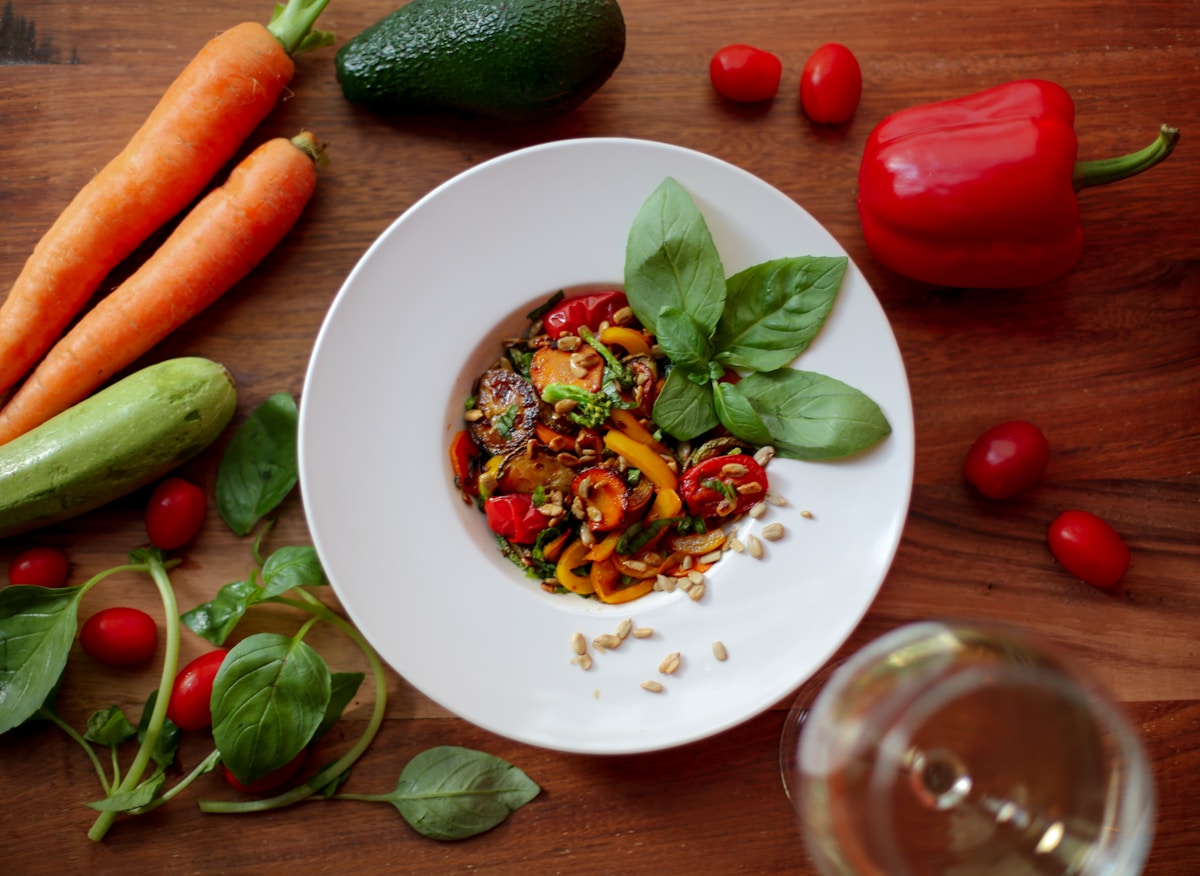
Mardin’s vegan options are limited but more nuanced than you might expect - the Syriac Christian fasting tradition (which excludes all animal products on fasting days) has created a set of plant-based dishes embedded in the southeastern culinary tradition. Combined with the standard Turkish zeytinyağlı baseline, there are options for careful navigation.
The Syriac Christian fasting tradition
The Syriac Orthodox, Syriac Catholic, and Chaldean Christian communities of Mardin and the Tur Abdin follow strict fasting periods during which all animal products are excluded. The most significant is the Great Lent (55 days before Easter), but there are also weekly fasting days (Wednesday and Friday for some communities).
The fasting foods: The southeastern Christian community developed a repertoire of plant-based dishes for fasting periods - oil-based preparations, grain and legume dishes, and the pomegranate-soured salads that characterise the regional tradition.
Practical relevance: This tradition means that some traditional Mardin restaurants understand plant-based requirements more naturally than, say, a Central Anatolian lokanta. Asking “oruç yemeği var mı?” (Do you have fasting food?) may produce useful results at the right establishment.
Zeytinyağlı and plant-based staples
Zeytinyağlı dishes: The olive oil tradition from the nearby Nusaybin area means good-quality olive oil is available and used in the zeytinyağlı preparations.
Mercimek çorbası: Red lentil soup - available at lokantas. Confirm no butter finish.
Kuru fasulye: White bean casserole. Check stock.
Bulgur: Cracked wheat dishes - available in the southeastern tradition as an alternative to rice pilav.
Market produce: The Mardin plain produces good tomatoes, peppers, and aubergines in season. Pomegranate molasses is a vegan souring agent.
What to avoid or check
Sürk cheese: Contains dairy - not vegan.
Kibbeh (içli köfte): Contains meat filling - not vegan. The outer bulgur shell alone would be vegan but is not served that way.
Mumbar: Lamb intestine - not vegan.
Kaburga dolması: Lamb - not vegan.
Mırra coffee: The coffee itself is vegan.
Butter in bread: Some traditional breads in the southeastern tradition are made with butter or clarified sheep fat - ask about ingredients.
Tahini and pomegranate as vegan staples
Two of Mardin’s most accessible foods are reliably vegan:
Tahini (susam ezmesi): Sesame paste, eaten with pomegranate molasses drizzled over it at breakfast. Available at market stalls and in hotel breakfasts. This combination - tahini + nar ekşisi - is one of the most distinctive southeastern Anatolian flavour pairings and entirely plant-based.
Pomegranate molasses (nar ekşisi): Vegan; used as a condiment on salads, vegetables, and at breakfast.
Turkish vocabulary for vegan eating in Mardin
| Turkish | Meaning |
|---|---|
| Et yok | No meat |
| Süt yok | No dairy |
| Tereyağsız | Without butter |
| Oruç yemeği | Fasting food (may unlock plant-based options) |
| Bu vegan mı? | Is this vegan? |
| Zeytinyağlı | Olive oil preparation |
Practical summary
Mardin is not an easy vegan city. The food tradition is heavily meat and dairy centred; the specific Mardin dishes are almost all animal-product based. The approach:
- Lokanta lunches focused on lentils and beans
- Market produce - tomatoes, peppers, aubergines in season
- Tahini + pomegranate molasses at breakfast (vegan and excellent)
- Ask about Syriac fasting food at appropriate restaurants
The experience of eating in Mardin’s stone-vaulted restaurants is worth the navigation even if the options are limited.
Make the most of the food scene: Book a food tour of Mardin to sample the standout local spots with a guide who knows where residents actually eat. An eSIM for Turkey keeps you connected for navigating neighbourhoods and checking restaurant hours on the go.