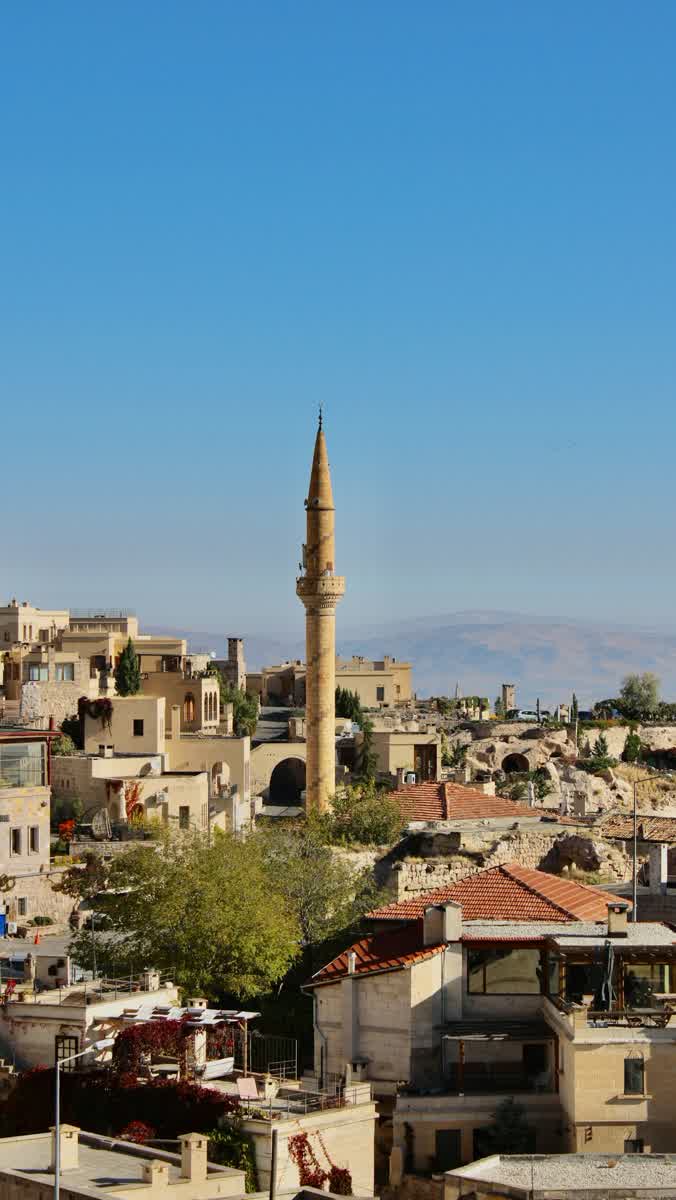
Mardin occupies a ridge above the Mesopotamian plain in a region where layers of civilisation overlap in an unusually concentrated area. The city itself is exceptional, but the surrounding plateau - the Tur Abdin, meaning “Mountain of the Servants of God” in Syriac - holds some of the oldest functioning Christian monasteries in the world, a Roman frontier city almost entirely unexcavated, a medieval Tigris riverside settlement of extraordinary beauty, and a valley town with some of the region’s finest traditional architecture. All of these are within 100km of Mardin.
These are the best day trips from Mardin for understanding the region’s full depth.
Half-Day vs Full-Day: What You Can Cover
The Tur Abdin region splits naturally into two circuits depending on available time:
Half-day (3–5 hours): Deyrulzafaran Monastery is 5km from Mardin and takes 1–1.5 hours to visit properly. Combined with Dara Ancient City (25km south, another 1.5–2 hours), this makes a compact half-day loop with a taxi from Mardin — expect to pay approximately ₺350–500 return for a half-day hire covering both sites.
Full-day (9–12 hours): The classic Tur Abdin full-day circuit adds Midyat old quarter and Mor Gabriel Monastery to the above — covering 150–180km total. Departing at 8:30–9am and returning by 7–9pm, it fits Deyrulzafaran (morning), Dara (late morning), and Midyat/Mor Gabriel (afternoon). This is the itinerary most Mardin-based guides and tour operators run as their standard day trip.
What doesn’t fit in one day: Hasankeyf (100km northeast) is too far to combine comfortably with the monastery circuit. Visit it as its own full-day trip, ideally with a car, or leave it for a separate day.
| Trip Type | Sites | Distance | Best For |
|---|---|---|---|
| Half-day | Deyrulzafaran + Dara | ~50km round trip | Short stays, afternoon arrival |
| Full-day | Deyrulzafaran + Dara + Midyat + Mor Gabriel | ~150km | First-time visitors, maximum coverage |
| Full-day | Hasankeyf + Savur | ~220km | Second day, Tigris valley focus |
Midyat and the Tur Abdin Monasteries (35km, 35 minutes)
Midyat is Mardin’s nearest significant town - 35km east on the D360, easily reached in under 40 minutes. It is the centre of Syriac Christian culture and the historic crafts capital of the region, known for telkari (silver filigree work) that has been produced here for centuries. The old city (Estel quarter) has traditional stone houses similar to Mardin’s but quieter, less visited, and with several working silversmiths still operating from their workshops.
The Tur Abdin plateau around Midyat holds the greatest concentration of Syriac Christian monasteries in Turkey. The most significant:
Mor Gabriel Monastery: Founded in 397 CE, Mor Gabriel is the oldest functioning Christian monastery in the world still in continuous use. It is 20km south of Midyat on a plateau road. The community of Syriac Orthodox monks and nuns continues to live and worship here; the monastery accepts visitors outside prayer hours. Entry is free (donations welcomed). The Church of the Mother of God (Ummul Fared) contains one of the most important collections of early Byzantine-era frescoes in the region.
Deyrulzafaran Monastery (Saffron Monastery): 5km east of Mardin itself (often listed as a Midyat trip but actually close to Mardin), this was the seat of the Syriac Orthodox Patriarchate for nearly 1,000 years. The crypt is pre-Christian (a Mesopotamian sun temple from approximately 2000 BCE). Entry approximately ₺60 as of 2026; guided tours available in Syriac, Turkish, and English.
Mor Yakup Monastery (Monastery of St. Jacob): 10km south of Nusaybin (further east, near the Syrian border) - more remote but significant. Check current access before visiting.
Getting there: Midyat is 35km from Mardin by dolmuş (₺20–30 one way from Mardin’s minibus terminal) or car. Mor Gabriel requires a car or taxi from Midyat (approximately ₺150–200 return by taxi from Midyat). A car enables visiting Midyat and Mor Gabriel in a single comfortable day.
Silverwork: The telkari workshops in Midyat’s old quarter produce filigree silver jewellery of high quality. Prices are higher than bazaar souvenirs but the craft is genuine - a pair of earrings starts around ₺300–500; larger pieces from ₺1,000+.
Dara Ancient City (25km, 25 minutes)
Dara is one of the most significant and least-visited ancient sites in Turkey - a late Roman and Byzantine frontier city 25km south of Mardin on the plain, founded by the Emperor Anastasius I in 505 CE as a forward military base against the Sassanid Persian Empire. The city fell to the Arabs in 639 CE and was progressively abandoned thereafter. What remains is a large open site with remarkable underground cisterns, rock-cut tombs, a partially preserved city wall, and the remains of the aqueduct system.
The underground cisterns (yeraltı sarnıçları) are the highlight - enormous vaulted chambers cut into the limestone bedrock, capable of holding millions of litres of water for the city’s garrison. They are among the best-preserved Late Antique hydraulic engineering works in Turkey and were designated a UNESCO Tentative List site in 2021.
Getting there: Drive south from Mardin on the road toward Nusaybin, turn at Oğuz village for Dara - 25km, about 25 minutes. There is limited public transport; a taxi from Mardin costs approximately ₺150–200 return (negotiate before departure). A car is more practical.
Entry: Approximately ₺50–80 as of 2026; an on-site guide (Turkish-speaking) is available for a small additional fee. Opening hours are generally 9am–5pm.
What to see: Begin with the underground cisterns (most impressive and unique), then walk the city walls and examine the rock-cut tombs on the eastern edge. A local guide adds considerable context - the site’s strategic role in the Byzantine-Persian wars is complex and the visible remains require interpretation. Allow 2–3 hours.
Tips: The site is on flat plateau with limited shade - visit in the morning or bring sun protection. Combined with a Midyat visit, Dara makes for a full day in the Tur Abdin region.
Hasankeyf (100km, 1.5 hours)
Hasankeyf is one of the most historically layered sites in Turkey - a settlement continuously inhabited for at least 10,000 years on the Tigris River, the former capital of the Artukid dynasty (1102–1231 CE), and the site of a major controversy over the Ilısu Dam. The dam’s reservoir, which began filling in 2020, has submerged most of the historic old town. The relocated new town of Hasankeyf preserves several monuments moved before the waters rose, and the cliff face with its hundreds of cave dwellings remains partially above water.
The Artukid bridge (a 12th-century pier is still visible), the old castle on the cliff, and the cave dwellings are the most striking visual elements. The relocated Zeynel Bey Tomb - an extraordinarily beautiful Timurid-period mausoleum of the early 15th century, with turquoise tile decoration - is now in the open-air museum of the new town.
Getting there: Drive northeast from Mardin via Savur and Midyat toward Batman province - approximately 100km, 1.5 hours by car. Alternatively, drive north to Kızıltepe then east toward Batman (slightly longer but faster roads). Buses run from Mardin’s otogar to Batman (approximately ₺80–100, 2 hours), and from Batman local transport reaches Hasankeyf (approximately ₺20–30 by dolmuş). A car is far more practical.
Entry: The open-air archaeological park/new town area: approximately ₺80 as of 2026. The relocated monuments are accessible within the park.
What to see: The new town museum gives good context on what was submerged and what was saved. Walk to the river viewpoint where the Artukid bridge pier is visible. The castle cliff and some cave dwellings are accessible on the hillside above. The Zeynel Bey Tomb, relocated to the new town park, repays close examination - the turquoise tile dome is in excellent condition.
Best time: April–June and September–October. July and August on the Tigris can reach 42–45°C.
Savur (30km, 30 minutes)
Savur is a small valley town 30km north of Mardin, set in a river valley in the foothills above the Mesopotamian plain - a completely different landscape to Mardin’s exposed ridge. The town has traditional Mardin-style stone architecture, an old bridge, and cherry orchards (the valleys around Savur produce excellent cherries from May through June). It is the least internationally known of these destinations but increasingly popular with Turkish visitors as a quieter alternative to Mardin itself.
Getting there: Drive north from Mardin on the mountain road toward Savur - 30km, approximately 30 minutes. Dolmuş services run from Mardin’s minibus terminal (approximately ₺20–30 one way).
What to see: The old stone houses along the valley road, the Ottoman bridge across the stream, and the town’s several small cafes and tea gardens. The Savur region is known for menengiç coffee (coffee made from wild pistachio trees - a regional speciality). The cherry season (May–June) brings local families for fruit-picking picnics in the orchards.
Combined: Savur pairs naturally with Deyrulzafaran (5km from Mardin) as a morning outing - visit the monastery, then drive north to Savur for lunch, returning to Mardin by mid-afternoon.
Guided Day Tours from Mardin: Options and Prices
Independent travel is possible with a car or taxi, but guided tours are worth considering — the Syriac Orthodox monasteries in particular gain considerably from a guide who can explain the liturgical spaces, Aramaic inscriptions, and architectural history that aren’t explained on-site.
Full-Day Tur Abdin Circuit (most popular)
The standard Mardin full-day guided tour covers Deyrulzafaran Monastery, Dara Ancient City, White Water Valley, and the Midyat/Mor Gabriel leg — running approximately 8:30am to 8:30pm and covering around 150km. This is the most common itinerary offered by Mardin-based operators.
What’s typically included: Hotel or guesthouse pickup in Mardin, professional English-speaking guide, all road transfers between sites.
What’s not included: Site entrance fees (Deyrulzafaran approximately ₺60, Dara approximately ₺50–80, Mor Gabriel free with donation), meals, gratuities.
Price: Small-group join tours run approximately ₺500–900 per person depending on group size; private tours (dedicated vehicle for up to 4) run approximately $180–220 per person. Hasankeyf can often be added as an extension for an additional ₺200–400 per vehicle.
Children: Ages 6–12 typically receive a 50% discount; under 6 free. Groups of 8+ often receive a 15–20% group discount.
Private City + Monastery Tour (half-day variant)
If you only have a half-day or arrive late, some operators offer shorter private tours focused on Mardin old city plus Deyrulzafaran and Dara — approximately 5–6 hours, departing from 9am or 2pm. These are better value in a group: private hire for up to 4 people runs approximately $120–180 total (not per person).
How to Book
The most practical booking option is through GetYourGuide, where most Mardin tours include free cancellation up to 24 hours before departure — useful given that summer heat (40°C+) can make afternoon site visits impractical.
Browse Mardin day tours and guided excursions to compare current options, read verified reviews, and book with free cancellation. For independent exploration, compare car hire in Turkey — a rental gives full flexibility on timing and the ability to reach Hasankeyf and Savur without transfer costs.
Practical Tips
Transport: Most Tur Abdin day trips are easier with a car. Dolmuş services cover the main roads but schedules are irregular and connections between sites require taxi or dolmuş combinations. Taxis from Mardin city can be negotiated for half-day or full-day hire — agree on a price before departure (expect approximately ₺350–500 for a half-day hire to Deyrulzafaran + Dara; ₺700–1,000 for a full-day circuit including Midyat and Mor Gabriel, as of 2026).
Guided tours: Several Mardin-based guides and operators offer Tur Abdin day tours covering Midyat, Mor Gabriel, and Dara in a single itinerary. Small-group join tours (₺500–900/person) are the budget option; private tours ($180–220/person) give full schedule flexibility. Ask at your hotel for licensed guides; the Mardin Museum also maintains a referral list.
What to look for in a Mardin guide: The monasteries of Tur Abdin are most rewarding with a guide who speaks Syriac or has a background in early Christian history — the liturgical context, the Aramaic inscriptions, and the architectural distinctions between the different monastic orders are not apparent from signage alone. When comparing operators on GetYourGuide, check specifically for guides who describe experience with Syriac Orthodox communities rather than generalist “eastern Turkey” guides. Operators covering the Tur Abdin route typically offer:
- Pickup and return: From Mardin old city hotels, typically 8:30–9am departure
- Language: English, German, and Arabic options available from the main operators; French on request
- Vehicle size: Shared minibus (8–12 people) for join-in tours; private 4WD for private tours — private is worth the extra cost for the Mor Gabriel and Hasankeyf roads, which are narrow
- Solo traveller option: Join-in tours require minimum 2 bookings to depart — book 2–3 days ahead in low season to confirm the tour runs
Arriving in Mardin: Mardin Airport (MQM) has connections from Istanbul and Ankara. A taxi from the airport to the old city costs approximately ₺200–300 (15–20 minutes). For visitors connecting through Gaziantep or Diyarbakır, the intercity bus to Mardin is the most practical option — the Mardin otogar is 4km from the old city (taxi approximately ₺80–120).
Currency: The Tur Abdin region is cash-heavy. Monastery entrance fees (Deyrulzafaran, Mor Gabriel donation boxes), local taxis, and dolmuş fares require Turkish lira in small denominations. ATMs are available in Mardin city centre and in Midyat town.
Monastery etiquette: Dress conservatively at all monasteries (covered shoulders and knees). Do not photograph monks or nuns without explicit permission. The communities are small and welcoming but depend on respectful visitors.
Heat: The Mesopotamian plain, including Dara and Hasankeyf, reaches very high temperatures from June through September. Carry water and plan outdoor activity for mornings.
For the full picture on the city, read the Mardin travel guide.
Search hotels in Mardin on Booking.com
Booking trips: Browse tours and activities in Mardin for guided day trips with free cancellation on advance bookings. For independent exploration, compare car hire options - a rental gives you full flexibility on timing and stops.