The Datça Peninsula concentrates its activities around water, ruins, and the particular pleasure of doing less than you planned. Most visitors fill their days between Knidos, a succession of bays reachable by boat or dolmuş, and a general slowing of pace that the peninsula’s geography enforces. See also where to stay in Datça and best restaurants in Datça.
Knidos ancient city
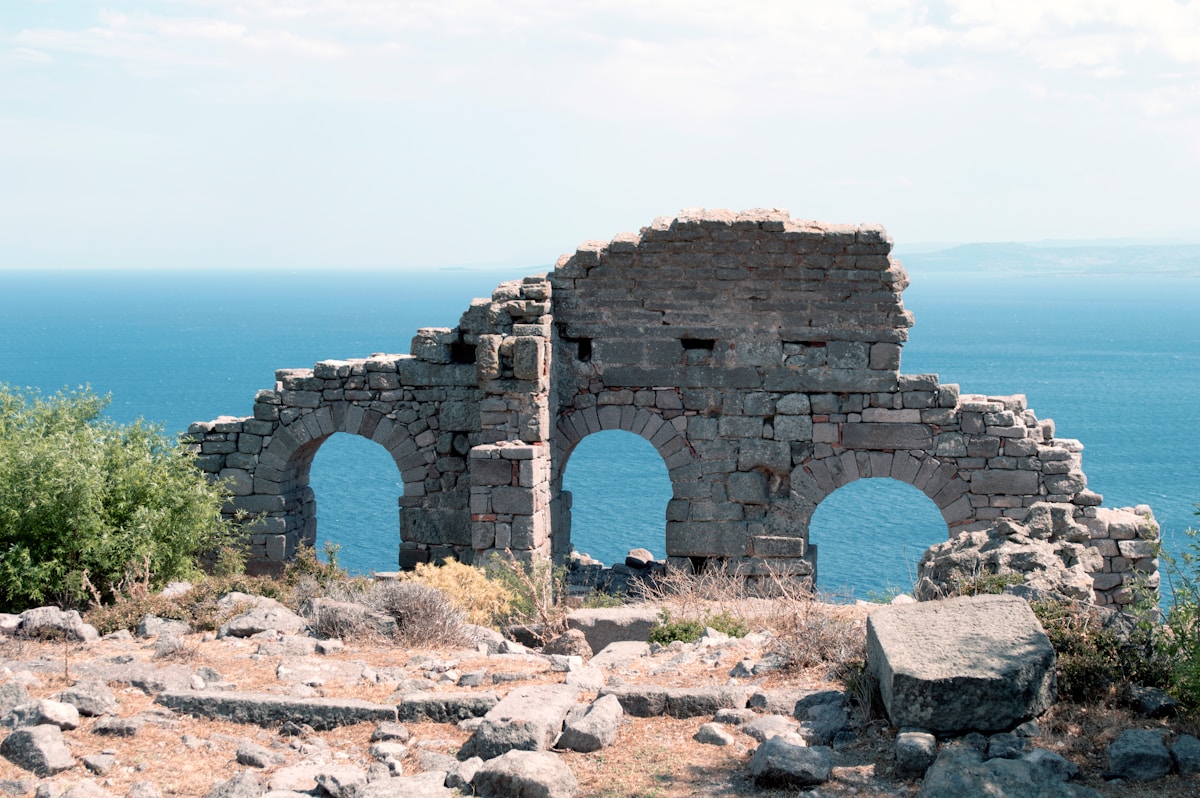
Knidos is the main reason most culturally-oriented travellers make the journey to Datça - a ruined Dorian city at the very tip of the peninsula that held the ancient world’s most celebrated statue (the Aphrodite of Knidos, by the sculptor Praxiteles) and was home to the physician Eudoxus of Cnidus and the mathematician Eudoxus.
What survives: Two harbours (one circular, one rectangular), a round temple base (the Aphrodite temple site - the original is gone, but the circular plan is visible), an agora area, remains of domestic buildings on the hillsides, a theatre with sea views on both sides of the peninsula, and the lighthouse cape where the two seas meet. The site is extensive and unshaded - wear a hat and carry water.
Entry: Approximately ₺200–250 as of 2026. Open daily 08:30–17:30 (until 19:30 in summer).
Getting there by car: 38 km from Datça town via the peninsula road. Allow 45 minutes; the last few kilometres are unpaved but manageable. The final stretch narrows through the maquis - take it slowly.
Getting there by boat: Day trips from Datça marina (approximately ₺800–1,000 per person including lunch) are the more atmospheric approach, arriving at the site’s ancient harbour and allowing swimming stops in the bays along the way. Book through your accommodation or at the marina.
Boat trips along the peninsula
The Datça Peninsula’s jagged coastline has dozens of coves accessible only by boat. Day-trip gulets depart Datça marina each morning in summer, returning by early evening.
Standard route: Typically 3–5 bays including Knidos or the bays between Datça and the cape. Swimming stops of 30–45 minutes each; lunch served on board (usually grilled fish, salad, bread). Sunbeds and shade on the boat provided.
Prices: Approximately ₺700–1,000 per person per day as of 2026, including lunch. Departure around 09:00–10:00, return 18:00–19:00. Boats typically take 20–35 people.
Private charter: A private day boat for 8–12 people costs approximately ₺8,000–12,000 per day in high season 2026, giving control over the route and schedule. Book 2–3 days ahead in July–August.
Sailing charters
Datça is a base for sailing the Datça–Bodrum Corridor, a particularly scenic stretch combining the peninsula’s coves with Bodrum’s castle approach. Our guide to blue cruises in Turkey covers the gulet charter format in detail.
Gulet charters: A traditional wooden gulet sleeping 8–12 people can be chartered from Datça for a week’s sailing. Weekly rates start from approximately ₺15,000–25,000 in high season 2026 (hull only, not including fuel, food, and crew tip). For groups of 8–10, this works out at approximately ₺1,500–2,500 per person per week - competitive with good hotel rates.
Day sailing: Smaller sailing boats available at Datça marina for half-day (₺400–600 per person) or full-day (₺700–1,000 per person) excursions with a skipper.
Palamutbükü beach
The best beach on the peninsula for facilities and atmosphere. Located 26 km west of Datça town (approximately 30 minutes by car or dolmuş).
Character: A sheltered crescent of pebble and fine sand, facing south into the Gulf of Gökova. The water is exceptionally clear; the bay is sheltered enough for calm swimming even when the Aegean wind picks up elsewhere. A small village behind the beach has restaurants, pensions, and a beach bar.
Facilities: Sunbed and umbrella rental at the beach (approximately ₺150–200 per set as of 2026); a handful of meyhane-style restaurants with fresh fish within walking distance.
Getting there: Dolmuş from Datça town operates in summer (check current schedule at the otogar). By car, the road is paved throughout.
Mesudiye (Hayıtbükü) bay
A quieter pebble bay 24 km south of Datça, with clearer water and fewer facilities. Two or three small restaurants operate in summer. Particularly good for snorkelling over the rocky shallows.
Old Datça (Eski Datça / Yazıköy)
3 km uphill from Datça town, Old Datça is a restored Ottoman stone village that predates the modern harbour settlement. The village has winding lanes, carved stone doorways, a working mosque, and several boutique guesthouses and restaurants in converted stone houses.
What to do: Walk the village (30 minutes at a leisurely pace), have a coffee at one of the courtyards, visit the weekly artisan market that sets up in season. At night, a handful of restaurants with courtyard tables offer a more atmospheric alternative to the marina strip.
Almond estate visits
The Datça almond harvest runs from August through September. Several family estates on the peninsula welcome visitors for informal tastings and direct sales. Ask at your accommodation or enquire at the Saturday market in Datça town - estate owners typically post details there.
What to buy: Raw almonds (₺150–200/kg as of 2026), roasted almonds (₺200–250/kg), almond paste, and almond-based soaps and cosmetics produced locally.
Search hotels in Datca on Booking.com
Booking in advance: Browse tours and activities in Datça - guided walks, skip-the-line tickets, and day tours are bookable ahead with free cancellation.