Türkiye’s tourism sector is navigating a difficult August. Visitor numbers are running below 2025 levels, particularly from long-haul markets including Australia, New Zealand, and several East Asian countries, as regional tensions in the Gulf generate wider caution about travel to the eastern Mediterranean. The coastal resorts of Antalya and Bodrum are most affected. Istanbul — which draws a different visitor profile — is seeing more modest impact.
What the Numbers Show
Industry association TÜRSAB reported a 6–8% year-on-year decline in international arrivals to Antalya airport through July 2026, with August bookings tracking similarly down. Bodrum’s international charter market, which depends heavily on European package operators, is holding up better, though some operators have scaled back capacity for September onward.
The Level 2 travel advisory issued by Australia, the US, and several EU states earlier this year remains unchanged — it advises exercising increased caution rather than avoiding travel. No evacuation guidance or elevated risk designation applies to Türkiye’s main tourist areas.
Istanbul: Largely Unaffected
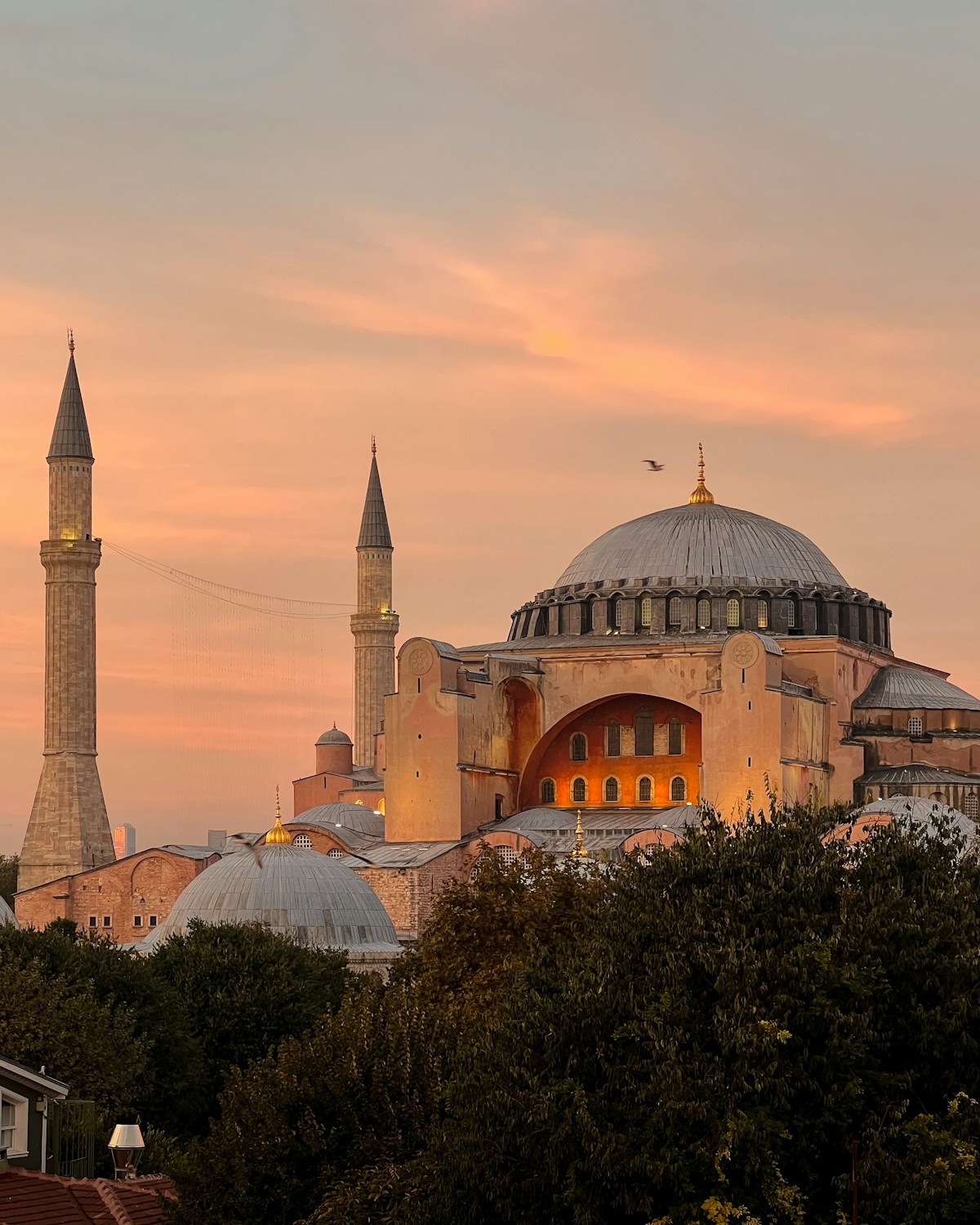
Istanbul continues to see strong demand from European city-break travelers and Arab Gulf tourists who have redirected some travel away from destinations closer to the conflict zone. Hotel occupancy in Beyoğlu and Sultanahmet for August is above 85%, and major sites including Hagia Sophia and Topkapı Palace have seen no meaningful decline in visitor numbers.
Antalya and Bodrum
Antalya and Bodrum remain open, operating normally, and fully safe for visitors. The dip in numbers is driven by advance booking hesitation rather than any on-the-ground incident. For travelers already committed to the Turkish Riviera in August, conditions are actually more comfortable than in a typical peak season — beaches are less crowded, restaurant wait times are down, and last-minute hotel upgrades are available at some properties.
Practical Advice
- Travel insurance: Confirm your policy covers disruptions linked to geopolitical events in adjacent regions. Standard policies vary significantly on this.
- Flights: No Turkish Airlines or major European carrier has announced route cancellations to Türkiye. Schedules remain intact.
- Currency: The Turkish lira has weakened slightly against the euro and dollar in August — marginally favorable for travelers paying in foreign currency.
- Border crossings: Land crossings between Türkiye and Syria and Iraq remain subject to existing advisories and are unrelated to the Gulf situation.
The core tourist circuit — Istanbul, Cappadocia, Ephesus, and the Aegean and Mediterranean coasts — is operating normally. Visitors comfortable with the existing advisory level will find services intact and, in many coastal spots, unusually uncrowded for the height of summer.