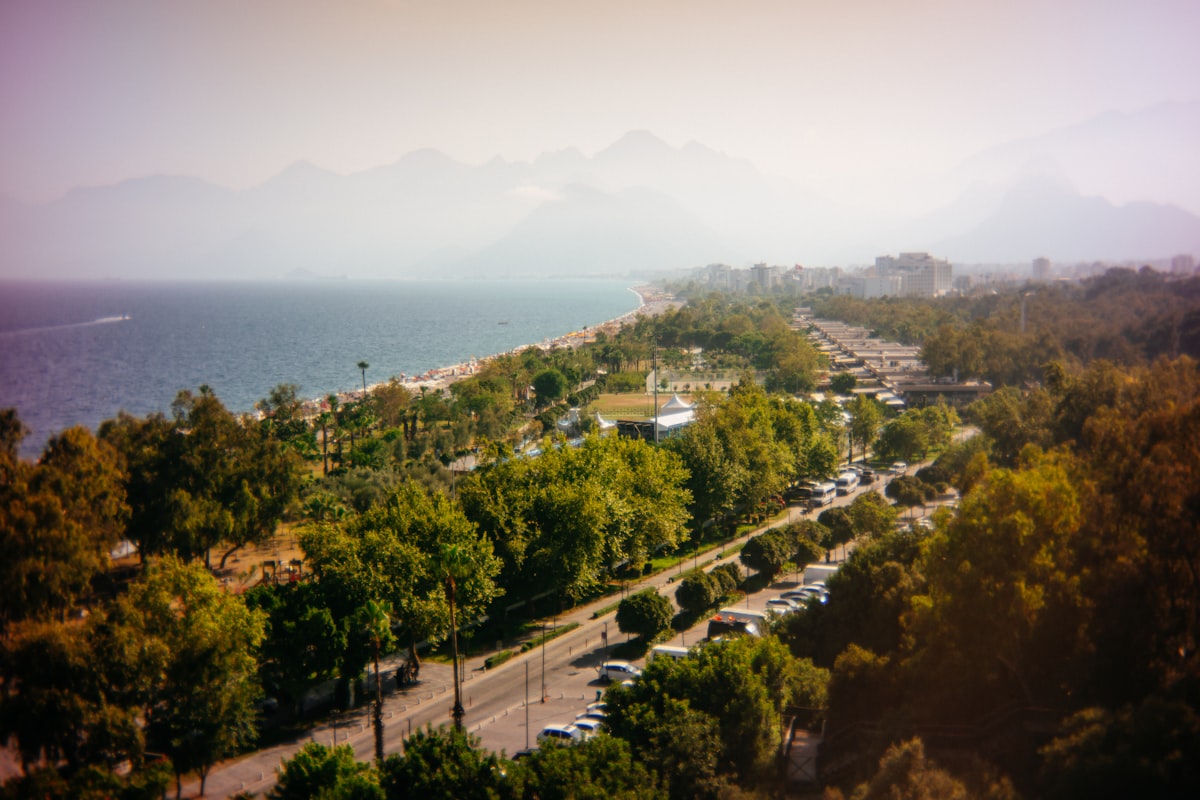
Turkey’s wildfire season formally begins in late June and runs through September, with the Mediterranean and Aegean regions - including the hinterlands around Antalya, Bodrum, Marmaris, Fethiye, and İzmir - experiencing the greatest risk. With summer 2026 beginning and temperatures already elevated, travellers should know what to expect and how to prepare.
Where the risk is highest
Fires in Turkey concentrate in the dry pine and scrubland zones of the Mediterranean coast and the Aegean hills. The provinces most regularly affected include Muğla (which covers Bodrum, Marmaris, and Fethiye), Antalya, İzmir, and Adana. Beach resorts themselves are rarely directly threatened, but fires in adjacent inland areas can produce smoke, ash fall, and road closures that affect access.
In 2025, fires near İzmir displaced tens of thousands of residents and led to temporary evacuation of some tourist areas. Conditions in summer 2026 follow a similarly hot and dry pattern across western Turkey.
What to do if you are in an affected area
Conditions can change quickly once a fire starts. If you are staying in a coastal resort in Antalya, Bodrum, or surrounding areas:
- Monitor Turkish national media (TRT, CNN Türk) and local authority announcements
- Follow instructions from your accommodation and local emergency services immediately
- Keep travel documents, medication, and valuables accessible in case evacuation is ordered
- Check your travel insurance covers disruption related to natural disasters, including evacuation costs - if you haven’t arranged cover yet, travel insurance for Türkiye is available before departure
The UK Foreign, Commonwealth & Development Office and Australia’s Smartraveller both note that wildfires are a seasonal hazard in Turkey and advise travellers to stay informed.
Does this affect my booking?
Istanbul, Cappadocia, Ankara, and inland destinations are not typically affected by the coastal fire risk. Major hotels in resort areas have evacuation plans, and Turkish emergency services have invested heavily in aerial firefighting capacity in recent years. Fires that start are generally contained within days, though smoke can reduce air quality for longer.
Travellers with concerns about timing should review our best time to visit Turkey guide - late September through November offers warm temperatures at popular coastal destinations after the peak fire risk period has passed.
Current travel advisories
As of June 2026, no government has issued a blanket advice-against-travel for Turkey’s coast. The Level 2 US advisory covering the country as a whole relates primarily to terrorism risk near the Syrian border rather than wildfire. Travellers are advised to purchase comprehensive travel insurance before departure and register with their embassy if they plan to stay in remote or coastal areas.