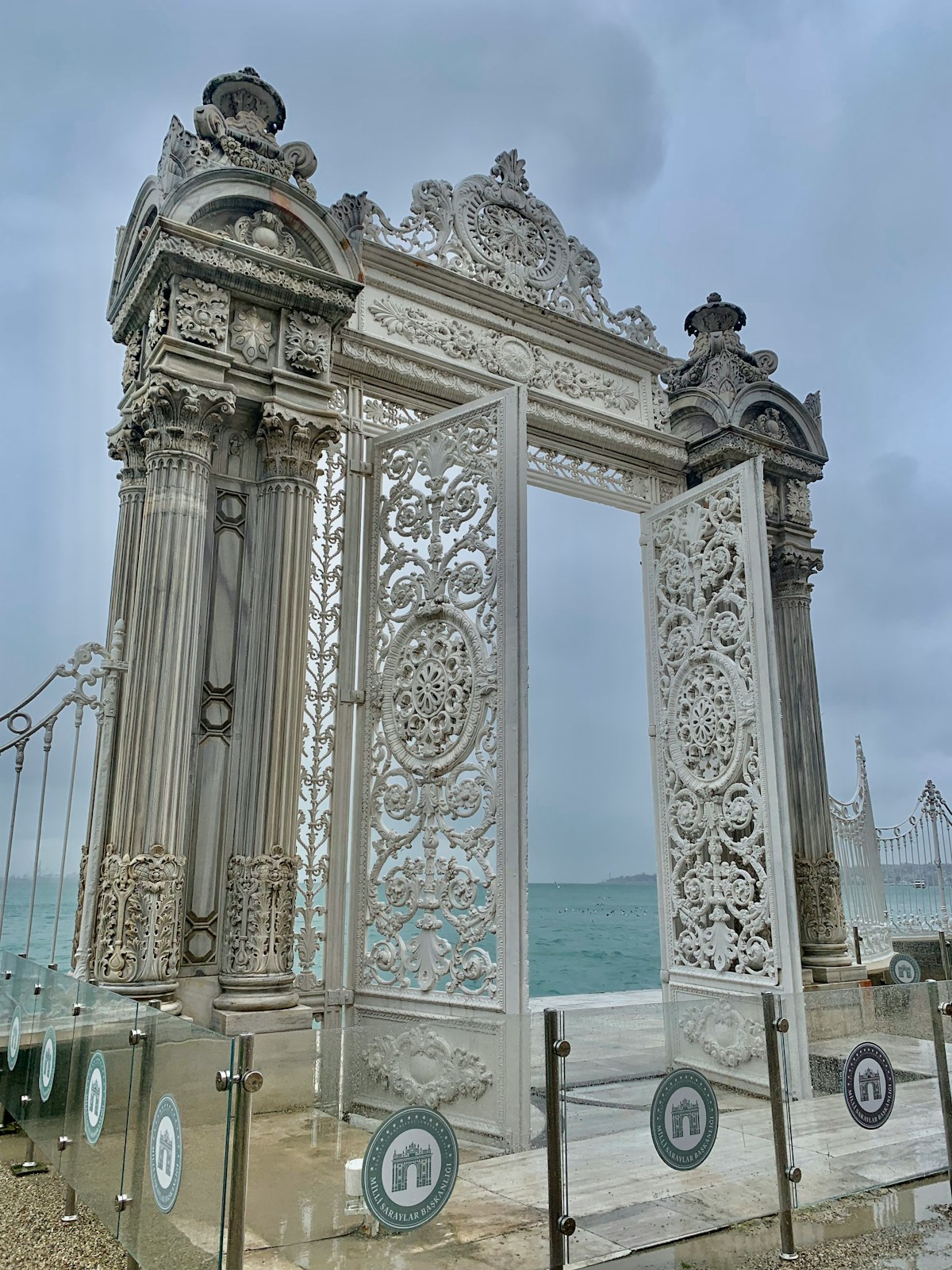
Türkiye’s tourism sector is preparing for an unusually hot summer in 2026, with meteorological forecasts indicating above-average temperatures across the Mediterranean and Aegean coasts, Central Anatolia, and the Istanbul metropolitan area. The pattern is part of a broader warming trend affecting southern Europe and the eastern Mediterranean, but its effects on travellers are immediate and practical.
Antalya on the southern coast is expected to see peak temperatures regularly exceeding 40°C in July and August. Heat at that level significantly affects outdoor touring and walking itineraries. Visitors to ancient sites including Aspendos, Perge, and Termessos should plan for very early morning starts - by 09:00 at the latest - and complete outdoor activity before noon. The sea temperature in the Gulf of Antalya will reach 28–30°C by August, offering comfort rather than cooling for swimmers.
Cappadocia in Central Anatolia is less extreme but still considerably hotter than its spring and autumn baseline. Daytime temperatures in July will approach 35°C, affecting hot air balloon operations - which require calm, cool pre-dawn conditions - and outdoor valley hikes. Operators advise carrying at least two litres of water for any walk through the valleys or between rock formations. Browse Cappadocia tours and balloon experiences to find reputable operators and check current availability.
Istanbul combines heat with urban humidity, with temperatures regularly exceeding 35°C in July and August. The most congested historic sites - Sultanahmet, the Grand Bazaar, and the Spice Market - become extremely busy and hot by mid-morning. Planning these visits for late afternoon or evening, and spending the hottest hours on the Bosphorus waterfront or in air-conditioned museums, makes a considerable practical difference.
For all three destinations, we recommend scheduling outdoor sightseeing before 10:00 and after 17:00, carrying sunscreen rated SPF 50 or higher, and staying well hydrated throughout the day. Bush and forest fires are a recurring risk along the Aegean and Mediterranean coasts between June and September; monitoring local conditions before visiting forested areas is prudent.
Our best time to visit Turkey page gives fuller seasonal context, including month-by-month temperature ranges and advice on shoulder-season alternatives for those who prefer cooler conditions.